How Flood Restoration Helps Homes in Merritt Island in Older Homes
Older homes in Merritt Island have a charm and character that newer construction often lacks. Many of these properties were built decades ago, using solid materials and practical designs suited to Florida living. But when flooding happens—whether from storms, plumbing failures, or heavy seasonal rains—older homes can be more vulnerable to water damage than newer structures.
Flood restoration plays a critical role in protecting these homes. It’s not just about drying floors or removing water; it’s about restoring structural materials, preventing mold growth, and ensuring the home remains safe and comfortable for years to come.
Homeowners across Merritt Island, Cocoa Beach, and nearby Palm Bay often find that quick, professional restoration makes the difference between a manageable repair and long-term structural issues.
What Flood Restoration Really Involves
Flood restoration is a structured process designed to remove water, dry affected materials, and repair damage caused by moisture.
In older homes, this process often includes:
- Water extraction
- Structural drying
- Moisture monitoring
- Cleaning and sanitizing
- Repairing damaged materials
Because older building materials can absorb moisture more easily, restoration must be thorough and carefully monitored.
Simply removing visible water is rarely enough. Moisture can remain trapped in walls, subfloors, and insulation long after surfaces appear dry.
Why Older Homes in Merritt Island Are More Vulnerable
Older homes often have features that make them more susceptible to water damage:
- Aging plumbing systems
- Older roofing materials
- Less effective insulation or vapor barriers
- Crawl spaces or older slab designs
- Original ductwork or ventilation systems
In Merritt Island, humid coastal conditions slow drying, allowing moisture to linger longer than many homeowners expect.
Homes in nearby areas like Titusville and Rockledge often experience similar challenges, particularly after storms or prolonged heavy rain.
Even minor flooding can cause damage if moisture isn’t removed quickly.
Common Causes of Flooding in Older Homes
Flooding doesn’t always come from dramatic events. Some of the most common causes include:
- Heavy rain and stormwater intrusion
- Roof leaks during severe weather
- Plumbing line failures or leaks
- Appliance malfunctions
- Poor drainage around foundations
Older homes sometimes have grading or drainage systems that were designed differently than modern standards, which can allow water to accumulate near foundations during heavy rain.
Addressing these issues early can prevent repeated flooding problems.
Warning Signs Flood Damage Is Still Present
After flooding, homeowners often focus on visible water and overlook lingering moisture.
Signs restoration may still be needed include:
- Musty odors
- Warped flooring or baseboards
- Stains on ceilings or walls
- Persistent indoor humidity
- Peeling paint or bubbling drywall
Another important sign is areas of the home that feel damp or cooler than surrounding rooms, which often indicates moisture trapped inside building materials.
These symptoms suggest drying may not be complete.
Hidden Moisture in Older Structures
One of the biggest challenges with flood damage in older homes is hidden moisture.
Water can spread into:
- Wood framing
- Subfloors beneath carpet or tile
- Interior wall cavities
- Closet flooring and corners
- Attic insulation
In Merritt Island homes, crawl spaces and attics are particularly common areas where moisture lingers.
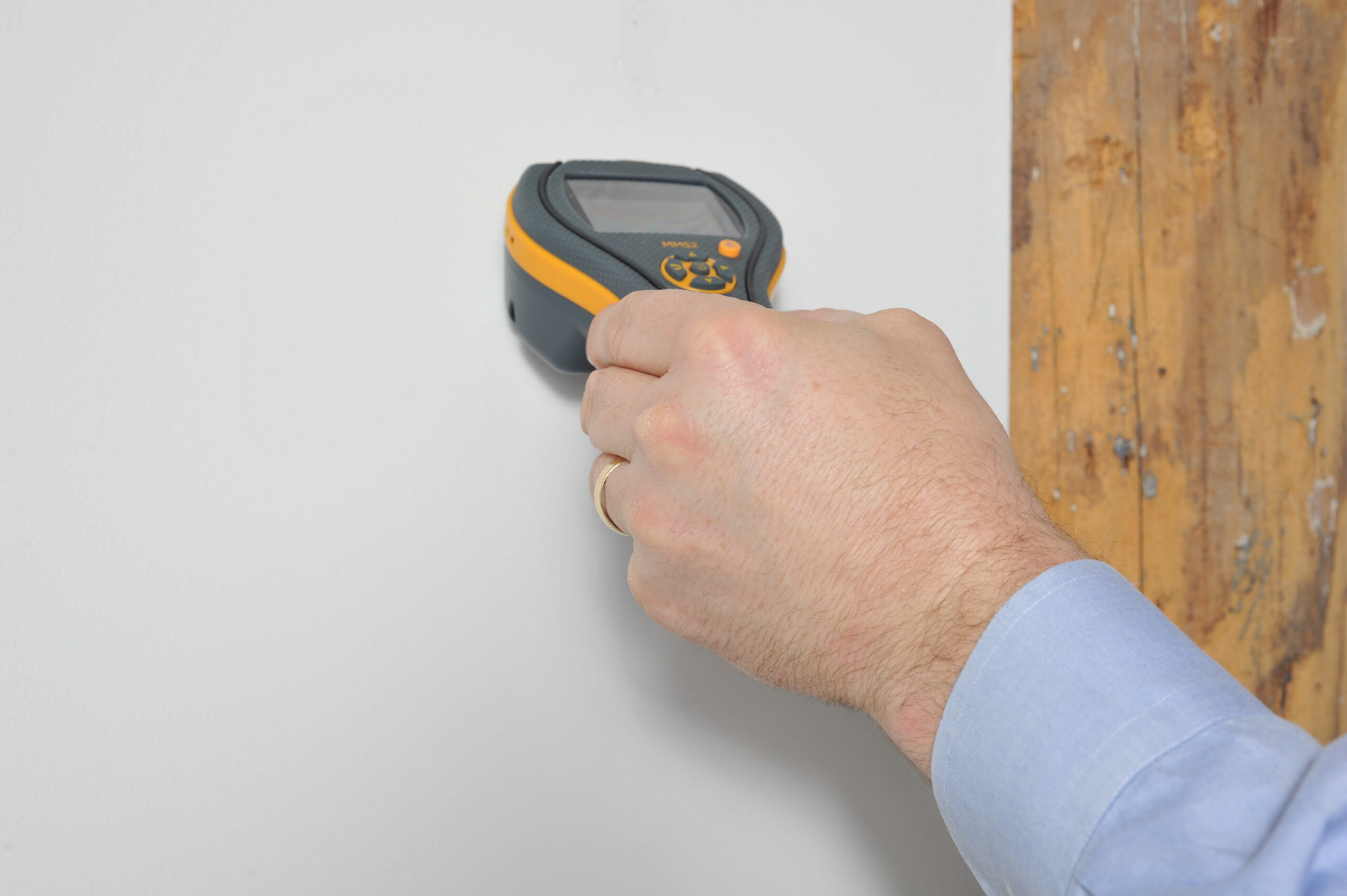
Moisture detection tools help identify these hidden areas so restoration can be completed properly.
Without this step, mold growth may begin weeks after flooding.
Why DIY Drying Often Falls Short
Many homeowners attempt to dry flooded areas using fans or air conditioning. While this helps surface moisture, deeper materials often remain damp.
DIY drying challenges include:
- Limited airflow into walls or flooring
- Humid air slowing evaporation
- Moisture trapped in insulation
- Incomplete drying leading to odors or mold
Professional restoration uses controlled airflow and dehumidification designed to remove moisture from structural materials, not just surfaces.
This is especially important in older homes where wood and plaster can hold moisture longer than modern materials.
The Flood Restoration Process Step by Step
A proper restoration process ensures that water damage is addressed completely.
Step 1: Inspection and Assessment
Technicians evaluate affected areas and measure moisture levels in walls, floors, and structural components.
This step determines how far water has spread.
Step 2: Water Extraction
High-powered equipment removes standing water quickly, reducing the amount absorbed by materials.
Fast extraction helps limit damage and speeds drying.
Step 3: Structural Drying
Air movers and dehumidifiers are placed strategically to remove moisture from:
- Wood framing
- Subfloors
- Drywall
- Insulation
Drying continues until moisture readings return to safe levels.
Step 4: Cleaning and Sanitizing
Floodwater can leave residues and contaminants. Cleaning helps restore safe indoor conditions and remove odors.
Step 5: Repairs and Restoration
Damaged materials may be repaired or replaced, restoring the home to its original condition.
This step ensures the home remains structurally sound.
Mold Risks After Flooding
Mold growth is one of the biggest concerns after water damage in older homes.
Mold can develop in:
- Damp wood framing
- Carpet padding
- Ceiling cavities
- Closet areas
Warm temperatures and humidity in Merritt Island create ideal conditions for mold growth when moisture remains.
Mold inspection and testing may be recommended if odors persist or moisture readings remain elevated after drying.
Preventing mold is one of the main reasons thorough restoration is so important.
HVAC Systems and Flooding in Older Homes
Flooding can also affect HVAC systems, especially when humidity levels rise indoors.
Possible issues include:
- Duct condensation
- Moisture in air handlers
- Odors circulating through vents
Air duct inspections may be recommended if musty smells appear throughout the home rather than in one isolated area.
Homes in Palm Bay and Cocoa Beach often experience similar HVAC-related moisture problems after flooding.
Maintaining clean, dry duct systems helps protect indoor air quality.
Preventing Future Flood Damage
While flooding can’t always be avoided, homeowners can reduce risk by:
- Inspecting roofs and gutters regularly
- Checking plumbing lines for leaks
- Improving drainage around foundations
- Using dehumidifiers after heavy rain
- Addressing small leaks immediately
Preventive maintenance is especially important in older homes where building materials may already be more vulnerable.
Taking small steps early often prevents major repairs later.
Why Local Experience Matters
Flood restoration in coastal Florida requires an understanding of humidity, building materials, and drying timelines.
Homes in Merritt Island and surrounding Brevard County communities face:
- Long humid drying periods
- Frequent storms and heavy rainfall
- Coastal moisture exposure
- Continuous AC usage
Professionals familiar with local conditions understand how moisture behaves in older homes and how to dry structures effectively.
Palm Bay Mold Removal has assisted homeowners across Merritt Island, Rockledge, Melbourne, and Titusville, helping restore properties after flooding and prevent moisture-related problems from becoming long-term structural issues.
A Practical Next Step for Homeowners
Flooding in older homes can feel overwhelming, but quick and thorough restoration makes recovery far easier. Removing water promptly, drying materials completely, and addressing moisture sources help protect the home’s structure and indoor air quality.
If your Merritt Island home experiences flooding, having the property inspected and dried properly is one of the most effective ways to prevent mold growth and avoid costly repairs in the future.
Acting early helps preserve the comfort, safety, and value of your home for years to come.