How Flood Restoration Helps Homes in Melbourne in Humid Summers
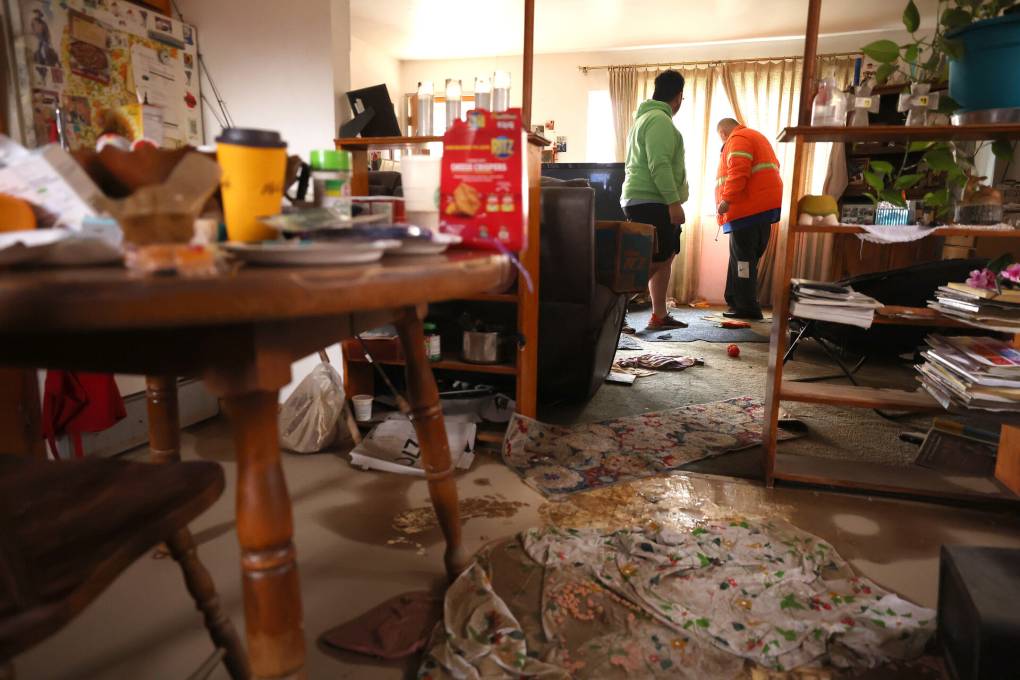
Flooding is a recurring concern for homeowners in Melbourne, especially during the summer months when heavy rains, tropical systems, and high humidity combine to create challenging conditions. Even minor flooding can leave behind moisture that lingers in flooring, walls, and structural materials. Without proper restoration, that moisture can lead to mold growth, odors, and long-term structural damage.
Flood restoration plays a critical role in helping homes recover safely and preventing future problems, particularly in humid climates where natural drying is slow.
Why Flooding Is More Challenging During Humid Summers
In Melbourne and nearby Brevard County communities, summer weather creates conditions that make drying difficult. Warm air holds more moisture, and indoor humidity often remains elevated even when air conditioning is running.
Several factors make flood restoration especially important during humid summers:
- Frequent heavy rainfall and afternoon storms
- High outdoor humidity levels
- Slower evaporation of moisture indoors
- Increased risk of mold growth
- Attics and crawl spaces retaining damp air
These conditions mean that even small amounts of water intrusion can cause significant damage if not addressed properly.
What Happens to a Home After Flooding
When water enters a home, it spreads quickly through porous materials. Carpets, drywall, insulation, and wood framing absorb water easily. Even after visible water is removed, moisture often remains trapped inside these materials.
Flooding can affect:
- Flooring and carpet padding
- Baseboards and drywall
- Wall cavities
- Subfloors
- Attic insulation
If these areas are not thoroughly dried, they can weaken over time or support mold growth.
Common Signs Flood Damage Is Still Present
Homeowners sometimes believe that once standing water is removed, the problem is solved. However, hidden moisture often remains. Signs that flood damage may still be present include:
- Musty or damp odors
- Warped flooring or trim
- Peeling paint or bubbling drywall
- Increased indoor humidity
- Rooms that feel damp or cool
These signs may appear days or even weeks after the initial flooding event.
Hidden Moisture: The Biggest Risk After Flooding
One of the main reasons flood restoration is necessary is that moisture often remains in areas that are difficult to see.
Common hidden moisture locations include:
- Behind drywall
- Beneath flooring or carpet
- Inside attic insulation
- Around air ducts and vents
- Under cabinets or appliances
In Melbourne homes, attic spaces are particularly vulnerable because warm air rises, carrying humidity into enclosed areas where drying is slow.
Why DIY Drying Often Falls Short
Homeowners frequently use fans, towels, or household vacuums to dry flooded areas. While these steps may remove surface water, they rarely address deeper moisture.
DIY drying often fails because:
- Household equipment cannot remove deep moisture
- Padding and insulation remain damp
- Humidity levels remain high indoors
- Moisture behind walls goes undetected
Without proper drying, hidden moisture can lead to mold growth in a matter of days during humid summer weather.
How Professional Flood Restoration Works
Flood restoration is a structured process designed to remove water, dry materials thoroughly, and prevent future problems.
Inspection and Moisture Detection
Technicians measure moisture levels in walls, floors, and ceilings to determine how far water has spread.
Water Extraction
Powerful equipment removes standing water and deep moisture from carpets and padding.
Structural Drying
Air movers and dehumidifiers are placed strategically to dry structural materials.
Cleaning and Sanitizing
Affected surfaces are cleaned to remove residues and contaminants.
Final Moisture Verification
Moisture levels are checked to confirm that drying is complete.
Companies such as Palm Bay Mold Removal often use moisture mapping to ensure hidden damp areas are identified and treated.
How Flood Restoration Helps Prevent Mold Growth
Mold requires moisture to grow, and humid summers provide ideal conditions for it to develop quickly. Flood restoration helps prevent mold by:
- Removing water quickly
- Drying structural materials thoroughly
- Lowering indoor humidity levels
- Identifying hidden damp areas early
In many Melbourne homes, early restoration prevents the need for extensive mold remediation later.
The Role of Water Damage Repair
Flood restoration often includes repairs to damaged building materials. Water can weaken drywall, insulation, and flooring, especially if moisture remains trapped.
Repairs may include:
- Replacing saturated insulation
- Repairing drywall and trim
- Treating structural wood
- Restoring flooring or baseboards
Proper repair ensures that hidden moisture does not cause long-term deterioration.
Air Ducts, HVAC Systems, and Humidity
Air conditioning systems play a major role in humidity control, but they can also be affected by flooding or excessive moisture.
Technicians often inspect:
- Duct insulation
- Air handlers in attic spaces
- Condensation lines
- Vent airflow
Moisture inside ducts can circulate humid air throughout the home, slowing drying and affecting indoor air quality.
Practical Steps to Prevent Future Flood Damage
While flooding cannot always be avoided, homeowners in Melbourne can reduce the risk of long-term damage by taking several preventive steps.
Helpful measures include:
- Inspecting roofs and flashing regularly
- Keeping gutters and drainage systems clear
- Sealing gaps around windows and doors
- Using dehumidifiers during humid months
- Scheduling moisture inspections after storms
Homes in nearby communities such as Palm Bay, Satellite Beach, and Viera often follow similar preventive routines because regional climate conditions are consistent.
Why Local Experience Matters in Flood Restoration
Flood restoration in coastal Florida requires an understanding of how humidity, storms, and construction materials interact. Drying times in humid climates are different from those in drier regions, and moisture often behaves differently in coastal homes.
Professionals familiar with Melbourne conditions understand:
- Where moisture is most likely to accumulate
- How attic heat affects drying
- Which materials are most vulnerable
- How to prevent recurring moisture problems
Palm Bay Mold Removal and other experienced local providers often focus on both drying and identifying moisture sources, helping homeowners achieve long-lasting results.
A Practical Approach for Homeowners
Flooding during humid summers can be stressful, but proper restoration makes a significant difference. Removing water quickly, drying materials thoroughly, and monitoring humidity levels help prevent long-term damage and maintain indoor air quality.
For homeowners in Melbourne, taking action early—scheduling inspections, addressing moisture promptly, and maintaining ventilation—can prevent small issues from becoming major repairs. With the right approach, most homes can recover fully and remain safe and comfortable even during Florida’s most humid months.