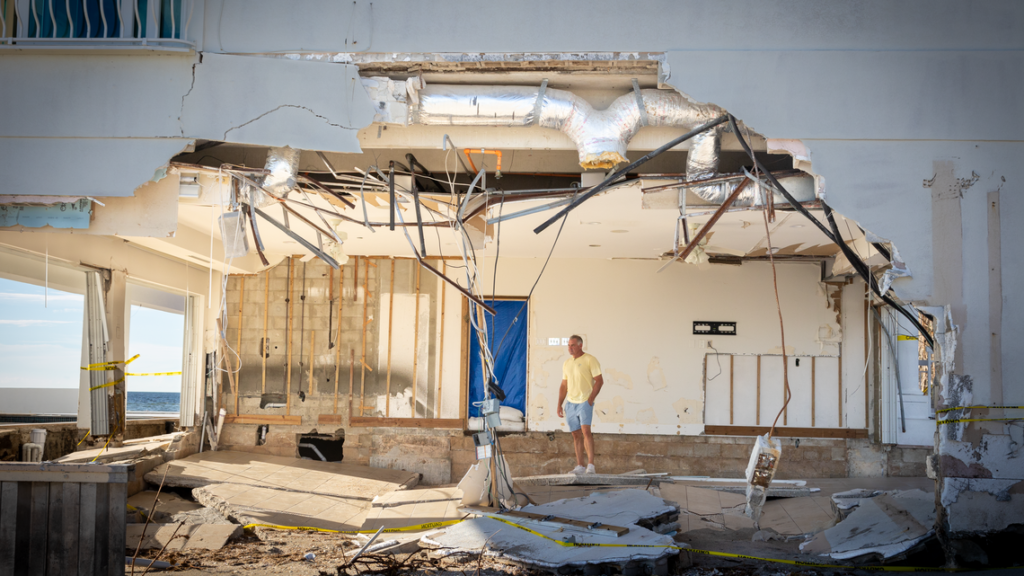
How Flood Restoration Helps Homes in Cocoa Beach in Commercial Buildings
Flooding is one of the most destructive forces that commercial properties in Cocoa Beach face, particularly in a region prone to heavy rainfall, hurricanes, and coastal storms. While residential flood restoration is widely discussed, commercial buildings—offices, retail spaces, warehouses, and rental properties—have unique challenges. They house more infrastructure, machinery, and high-value inventory, making flood events costly not only in repairs but also in operational downtime. Effective flood restoration is critical to minimize losses, restore business functionality, and protect structural integrity.
This guide explores how flood restoration helps commercial properties in Cocoa Beach, detailing the causes of flood damage, step-by-step restoration processes, associated costs, long-term benefits, and preventive strategies for property owners.
Understanding Flood Damage in Commercial Buildings
Flooding can compromise a commercial building’s structure and its contents in multiple ways:
- Structural Damage
- Floodwater saturates floors, walls, and ceilings, leading to warping, weakening of beams, and potential collapse in severe cases.
- Prolonged water exposure can compromise concrete, drywall, and insulation, causing expensive repairs.
- Electrical and Mechanical Risks
- Water can short-circuit electrical systems or damage HVAC units, boilers, and other critical machinery.
- Flooded wiring or equipment can pose fire hazards if not properly addressed.
- Mold Growth and Contamination
- Moisture encourages mold within 24–48 hours, spreading spores through ventilation and ductwork.
- Contaminated water may carry bacteria, viruses, and chemical pollutants.
- Inventory and Equipment Loss
- Retail stores, warehouses, and offices often contain high-value items that can be irreversibly damaged.
- Electronics, documents, furniture, and stock are at risk of permanent loss.
- Operational Disruption
- Flooding may force temporary closure, resulting in lost revenue.
- Insurance claims and restoration logistics can delay business operations.
Commercial flood restoration addresses all of these issues systematically, mitigating long-term damage and restoring normal functionality.
Common Causes of Flooding in Cocoa Beach Commercial Properties
Property owners need to understand typical causes of commercial flooding in coastal regions:
- Heavy Rain and Storm Surges
- Hurricanes or seasonal storms can overwhelm drainage systems, leading to water intrusion in basements, ground floors, and parking areas.
- Roof and Window Damage
- Aging or damaged roofing materials, broken windows, or poor sealing can allow water to enter interiors.
- Plumbing Failures
- Burst pipes, leaky connections, or malfunctioning water systems can create significant water damage.
- Poor Drainage Systems
- Clogged gutters, insufficient storm drains, or improper grading around the property exacerbate flooding risks.
- Sewer Backups
- Overwhelmed municipal systems may push contaminated water back into commercial spaces.
- HVAC or Mechanical System Leaks
- Condensation or leaks from HVAC units can lead to localized flooding if not addressed quickly.
The Step-by-Step Flood Restoration Process
Professional flood restoration for commercial buildings is comprehensive and highly structured. Here is the typical workflow:
Step 1: Safety Assessment
- Identify hazards such as electrical risks, structural instability, or contaminated water.
- Secure the building and ensure that all occupants are evacuated safely.
- Wear appropriate PPE (gloves, boots, masks) to prevent exposure to hazardous water.
Step 2: Water Extraction
- Use high-capacity pumps, wet vacuums, or submersible devices to remove standing water.
- Pay special attention to low-lying areas, basements, crawlspaces, and utility rooms.
- Rapid extraction reduces the risk of mold, structural damage, and prolonged downtime.
Step 3: Drying and Dehumidification
- Deploy commercial-grade dehumidifiers, air movers, and industrial fans to dry walls, floors, and ceilings.
- Monitor moisture levels using sensors and thermal imaging cameras to ensure complete drying.
Step 4: Cleaning and Sanitization
- Remove debris, mud, and water-soaked materials.
- Disinfect surfaces to prevent bacterial, viral, or fungal contamination.
- Salvage valuable equipment or inventory when possible, using specialized cleaning or drying techniques.
Step 5: Mold Prevention and Remediation
- Inspect for mold growth in walls, ducts, and HVAC systems.
- Apply antimicrobial treatments to prevent regrowth.
- Conduct complete remediation if mold is detected.
Step 6: Structural Repairs
- Replace damaged drywall, insulation, flooring, or ceiling materials.
- Restore electrical and HVAC systems.
- Reinforce weak structural elements to prevent future compromise.
Step 7: Final Inspection
- Ensure all areas are fully dried, cleaned, and restored.
- Conduct air quality tests if mold or contamination was present.
- Document restoration efforts for insurance claims and compliance records.
Professional Tips for Property Owners
- Act Immediately
- Rapid response prevents secondary damage like mold growth or corrosion.
- Hire Certified Flood Restoration Experts
- Professionals have the equipment, experience, and safety training to handle commercial-scale water damage.
- Document Everything
- Photograph damages and restoration steps for insurance purposes.
- Focus on Hidden Water
- Inspect behind walls, under flooring, and in mechanical rooms where water may accumulate.
- Protect HVAC Systems
- Clean and sanitize ducts and air handling units to prevent airborne contamination.
- Ensure Safety
- Turn off electricity and shut down utilities until the property is safe.
- Prioritize Salvageable Items
- Identify documents, electronics, and equipment that can be dried or restored to reduce financial loss.
Costs Associated With Flood Restoration in Commercial Buildings
Restoration costs vary based on building size, severity of flooding, and services required:
- Minor Flooding: $2,000–$5,000 (small offices or retail spaces)
- Moderate Flooding: $5,000–$15,000 (multi-room commercial properties)
- Severe Flooding: $15,000–$50,000+ (large buildings, warehouses, or multiple levels)
Additional factors include mold remediation, HVAC cleaning, structural repair, inventory replacement, and labor costs. Early intervention significantly reduces both expenses and operational downtime.
Long-Term Benefits of Professional Flood Restoration
- Health and Safety
- Eliminates bacterial, viral, and fungal contamination, ensuring a safe environment for occupants.
- Structural Integrity
- Restores foundations, walls, and floors, preventing long-term deterioration.
- Operational Continuity
- Minimizes downtime by quickly restoring business functionality.
- Financial Savings
- Prevents further damage, mold remediation, and insurance complications.
- Insurance Compliance
- Detailed documentation from professionals ensures smoother claims processing.
- Enhanced Property Value
- Proper restoration maintains or improves the commercial property’s market value.
Preventive Measures for Property Owners
Preventive actions reduce the likelihood and impact of future floods:
1. Pre-Storm Inspections
- Examine roofs, windows, plumbing, and drainage systems.
- Repair any weak points before hurricane or rainy seasons.
2. Flood Barriers and Sandbags
- Protect entrances, windows, and low-lying areas with temporary barriers.
3. Elevate Mechanical Systems
- Raise HVAC units, electrical panels, and boilers above flood-prone levels.
4. Proper Drainage
- Keep gutters, downspouts, and storm drains clear.
- Ensure landscaping slopes away from the building.
5. Employee and Tenant Education
- Train staff or tenants to report water intrusion immediately.
- Develop an emergency response plan for flooding events.
6. Regular Maintenance
- Inspect and clean HVAC systems, gutters, and plumbing to prevent secondary water issues.
Conclusion
Flooding in commercial buildings in Cocoa Beach can cause extensive structural, operational, and health-related damage. Professional flood restoration is vital for mitigating these risks, preserving property value, and maintaining safe, functional spaces for tenants or employees.
By understanding the causes of flood damage, engaging certified professionals, acting quickly, and implementing preventive strategies, property owners can protect their investments and reduce long-term risks. Comprehensive flood restoration not only restores the building to its pre-flood condition but also safeguards it against future storms, ensuring commercial operations remain resilient in the face of Florida’s unpredictable weather.