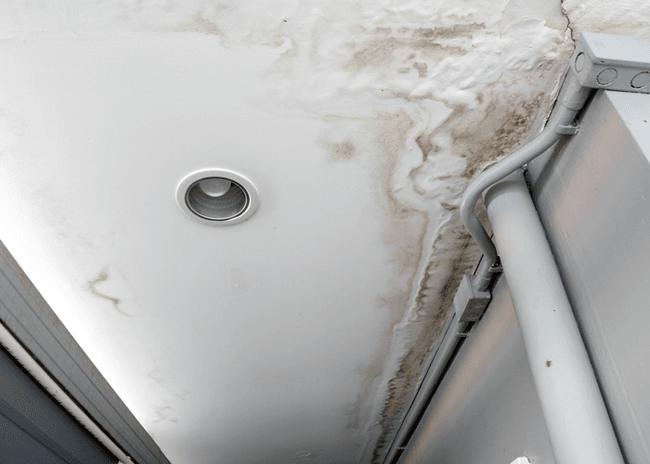
How Emergency Water Removal Helps Homes in Melbourne After Roof Leaks
Roof leaks in Melbourne, Florida, can cause severe water damage in homes, leading to structural issues, mold growth, and health hazards if not addressed immediately. Emergency water removal is a critical response that minimizes damage, protects your home, and restores safety for occupants. Homeowners must understand the process, benefits, and preventive measures to safeguard their property after a roof leak.
This guide provides a comprehensive overview of how emergency water removal helps homes in Melbourne, including step-by-step actions, early warning signs, and professional tips.
Why Emergency Water Removal Is Crucial After Roof Leaks
- Prevents Mold and Mildew
- Moisture from roof leaks can create a breeding ground for mold within 24–48 hours.
- Protects Structural Integrity
- Water penetration can warp wood, weaken drywall, and damage insulation.
- Reduces Health Risks
- Standing water can harbor bacteria and allergens, leading to respiratory issues or infections.
- Minimizes Property Loss
- Furniture, electronics, carpets, and personal belongings are at risk without quick water removal.
- Supports Insurance Claims
- Professional water removal documentation helps homeowners with insurance coverage and claims.
Common Causes of Roof Leaks in Melbourne Homes
- Storm Damage
- Heavy rains, hurricanes, and strong winds can dislodge shingles or damage flashing.
- Aging Roofs
- Worn or deteriorating roofing materials are more prone to leaks.
- Clogged Gutters
- Poor drainage causes water to back up and seep into roof structures.
- Improper Installation
- Faulty flashing or shingles increase the risk of water intrusion.
- Vent and Chimney Leaks
- Seals around roof penetrations can fail, allowing water to enter the home.
Early Warning Signs of Water Damage from Roof Leaks
- Ceiling Stains or Discoloration
- Yellow or brown water spots indicate moisture penetration.
- Dripping Water
- Visible leaks or dripping inside the home after rain.
- Warped Walls or Flooring
- Bubbling paint, soft walls, or uneven floors suggest water intrusion.
- Musty Odors
- Persistent damp or mildew smells indicate potential mold growth.
- Increased Humidity
- Dampness in rooms or attics can signal hidden water accumulation.
Step‑by-Step Emergency Water Removal Process
Step 1: Safety Precautions
- Turn off electricity in affected areas to prevent hazards.
- Wear protective gear such as gloves and waterproof boots.
Step 2: Identify the Source
- Inspect the roof and attic to locate the leak and assess the extent of water intrusion.
Step 3: Water Extraction
- Use pumps, wet/dry vacuums, and portable extractors to remove standing water from floors, carpets, and affected furniture.
Step 4: Drying and Dehumidification
- Deploy air movers, fans, and dehumidifiers to thoroughly dry walls, ceilings, and flooring.
- Pay attention to hidden areas such as behind walls and under flooring to prevent mold growth.
Step 5: Cleaning and Disinfection
- Clean affected surfaces with antimicrobial solutions to eliminate bacteria, mold spores, and other contaminants.
Step 6: Damage Assessment and Repair
- Inspect structural elements like joists, drywall, and insulation for damage.
- Repair or replace compromised materials to restore home integrity.
Step 7: Post-Removal Verification
- Conduct moisture testing and a thorough inspection to ensure the home is fully dry and safe for occupancy.
Preventive Tips for Homeowners
- Regular Roof Inspections
- Check for damaged shingles, flashing, or seals, especially after storms.
- Maintain Gutters and Downspouts
- Clear debris to ensure proper water drainage away from the roof and foundation.
- Install Roof Leak Alarms
- Sensors in attics can alert homeowners to moisture early.
- Prompt Repairs
- Address minor leaks immediately to prevent escalation.
- Control Indoor Humidity
- Use dehumidifiers to reduce residual moisture and discourage mold growth.
- Professional Maintenance
- Hire licensed roofing contractors for routine inspections and repairs.
Benefits of Emergency Water Removal After Roof Leaks
- Health Protection
- Prevents mold, bacteria, and allergens from spreading indoors.
- Structural Preservation
- Minimizes damage to walls, ceilings, flooring, and furniture.
- Cost Savings
- Early intervention reduces the need for major repairs or replacements.
- Peace of Mind
- Ensures the home is safe, clean, and restored for occupancy.
- Enhanced Insurance Support
- Professional documentation of water removal aids in claims processing.
Conclusion
Roof leaks in Melbourne homes pose a serious threat to property integrity, indoor air quality, and occupant safety. Early detection of water stains, musty odors, or soft surfaces is critical.
Professional emergency water removal involves safety precautions, water extraction, thorough drying, cleaning, and structural repairs to restore the home efficiently. Coupled with preventive strategies—roof inspections, gutter maintenance, humidity control, and timely repairs—homeowners can minimize future leaks, maintain a safe living environment, and protect the value of their property.