
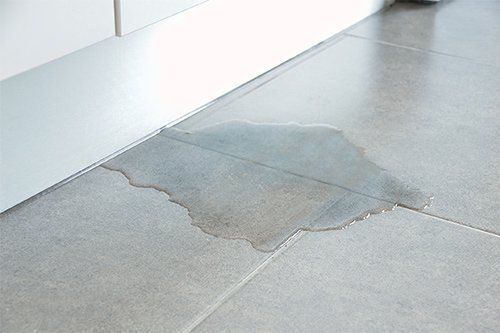
How Emergency Water Removal Helps Homes in Cocoa Beach After Plumbing Leaks
Plumbing leaks in Cocoa Beach homes don’t stay small for long.
A cracked supply line under the sink. A washing machine hose that gives out overnight. A slow drip inside a wall that finally soaks through drywall. In a coastal climate like Cocoa Beach, moisture spreads quickly — and it lingers.
Emergency water removal isn’t just about cleaning up a puddle. It’s about protecting your home from structural damage, mold growth, and long-term moisture problems that are common along Florida’s coast.
If you’ve experienced a plumbing leak in Cocoa Beach, here’s how fast, professional water removal makes a measurable difference.
Why Plumbing Leaks Are Especially Risky in Cocoa Beach
Cocoa Beach homes face unique moisture challenges:
- High year-round humidity
- Salt air exposure affecting plumbing components
- Slab-on-grade construction
- Heavy AC usage
- Storm-driven rain events
When a plumbing leak occurs in this environment, evaporation happens slowly. Humid air prevents quick drying. Moisture absorbs into drywall, insulation, cabinetry, and subfloors almost immediately.
We regularly see homes near A1A and the Banana River where a small plumbing issue turned into widespread saturation because drying wasn’t immediate.
Emergency water removal interrupts that process.
What Happens If Water Isn’t Removed Quickly
Within hours of a plumbing leak:
- Drywall begins absorbing moisture
- Carpet padding becomes saturated
- Wood baseboards swell
- Humidity levels spike
Within 24–48 hours in Florida’s climate:
- Mold growth can begin
- Odors develop
- Structural materials weaken
In nearby Merritt Island and Rockledge, we often inspect homes where surface water was wiped up, but hidden moisture remained inside walls.
Emergency water removal focuses on what you can’t see — not just what’s visible.
Step 1: Immediate Water Extraction
The first benefit of emergency water removal is rapid extraction.
High-powered commercial equipment removes standing water quickly, preventing deeper saturation.
In Cocoa Beach homes with tile flooring, water often spreads rapidly across open layouts before settling into grout lines and under cabinetry.
Fast extraction limits how far moisture travels.
Step 2: Moisture Detection Beyond the Surface
After visible water is removed, moisture detection tools identify hidden saturation.
Professional inspection checks:
- Wall cavities
- Subfloor materials
- Cabinet bases
- Insulation
- Adjacent rooms
In slab homes common across Cocoa Beach and Palm Bay, water can move laterally beneath flooring materials.
Moisture detection ensures nothing is missed.
Step 3: Controlled Structural Drying
Drying is not about setting up a few fans.
Emergency water removal includes:
- Commercial dehumidifiers
- High-velocity air movers
- Targeted wall cavity drying
- Daily moisture monitoring
Florida’s humidity makes this step critical. Without industrial dehumidification, materials may remain damp even if they feel dry to the touch.
Proper drying reduces the risk of mold and long-term structural damage.
Step 4: Preventing Mold Growth
Mold thrives in:
- Warm temperatures
- Trapped moisture
- Organic building materials
Cocoa Beach’s coastal climate accelerates mold development after plumbing leaks.
Emergency water removal disrupts the moisture conditions mold requires.
In many cases, early drying prevents the need for full mold remediation later.
Step 5: Protecting Flooring and Cabinets
Plumbing leaks often impact:
- Kitchen cabinets
- Bathroom vanities
- Laminate flooring
- Engineered wood
- Carpet and padding
Cabinet bases are particularly vulnerable. Particleboard backing absorbs moisture quickly and deteriorates if not dried properly.
In Cocoa Beach and Melbourne homes, we frequently find hidden saturation under cabinets long after the visible leak stopped.
Emergency water removal protects these materials before replacement becomes necessary.
Step 6: Addressing AC and Humidity Complications
After a plumbing leak, AC systems often struggle to manage rising indoor humidity.
Elevated humidity can:
- Slow drying
- Increase odor
- Promote mold growth
Professional drying equipment lowers indoor humidity to safe levels while moisture is removed from structural materials.
This is especially important in coastal areas like Cocoa Beach and Satellite Beach.
Slab Leaks and Hidden Moisture
Many Cocoa Beach homes are built on concrete slabs.
When plumbing lines beneath the slab develop leaks, water can migrate beneath flooring before surfacing.
Signs may include:
- Warm spots on tile
- Flooring discoloration
- Elevated water bills
- Musty smells
Emergency water removal combined with moisture detection helps determine whether slab moisture is present.
Ignoring slab-related moisture often leads to flooring damage and mold growth.
Roof vs. Plumbing Leaks: Why Response Is Similar
While this guide focuses on plumbing leaks, the drying process mirrors what’s needed after roof-related water intrusion.
In both cases:
- Moisture travels unpredictably
- Hidden saturation is common
- Florida humidity slows natural drying
Whether the source is above or below, fast removal limits secondary damage.
Preventing Future Plumbing Emergencies
While not all plumbing leaks are preventable, homeowners in Cocoa Beach can reduce risk by:
- Replacing aging supply lines
- Inspecting water heaters annually
- Installing leak detection devices under sinks
- Monitoring water bills
- Checking under sinks monthly
- Keeping indoor humidity below 55%
After any leak — even a small one — confirming complete drying is the safest step.
Prevention is always less disruptive than restoration.
Why Local Experience Matters in Cocoa Beach
Emergency water removal in Cocoa Beach requires understanding:
- Coastal humidity retention
- Salt air impact on plumbing systems
- Slab-on-grade moisture behavior
- Storm-related environmental factors
Homes near the ocean experience different moisture patterns than inland properties in Viera or Titusville.
Palm Bay Mold Removal regularly assists homeowners across Cocoa Beach, Merritt Island, Palm Bay, Melbourne, Rockledge, and surrounding Brevard County communities with plumbing-related water damage.
Local familiarity ensures faster diagnosis and more precise drying.
A Practical Next Step
If your Cocoa Beach home has experienced a plumbing leak, immediate water removal protects far more than your flooring.
It protects framing, insulation, air quality, and long-term structural stability.
Even if the water appears minor, hidden moisture can remain.
Early extraction, moisture detection, and controlled drying keep small plumbing leaks from becoming larger restoration projects — especially in Florida’s humid coastal climate.