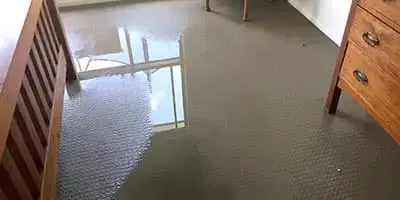
How Carpet Cleaning After Flooding Helps Homes in Viera After Hurricanes
Hurricanes and strong storms are a part of life in Viera and the surrounding Brevard County communities. Most homeowners prepare for wind and heavy rain, but one issue that often lingers long after the skies clear is flooding inside the home. And when water reaches carpets, the problem doesn’t end when the surface looks dry.
Carpets hold moisture deep in the fibers, padding, and even the subfloor beneath. Without proper cleaning and drying, that trapped moisture can lead to odors, staining, and eventually mold growth. That’s why carpet cleaning after flooding isn’t just cosmetic—it’s an essential step in protecting the home.
Homeowners across Viera, Palm Bay, Rockledge, and Melbourne have seen how fast moisture-related problems can develop in Florida’s warm, humid climate. Understanding the process helps you act quickly and avoid bigger repairs later.
What Happens to Carpets After Flooding
When floodwater enters a home, carpets absorb water like a sponge. Even if you remove standing water quickly, several layers can remain damp:
- Carpet fibers
- Carpet padding
- Tack strips and edges
- Subfloor beneath the carpet
Moisture trapped in these layers can remain for days if not properly dried. In humid environments like Viera, drying naturally isn’t enough. The air itself holds moisture, slowing evaporation and creating conditions where mold can begin to develop.
This is why professional cleaning and drying methods are often necessary after hurricanes.
Why Flooding Impacts Viera Homes So Often
Viera homes face several conditions that make flooding and moisture problems more likely:
- Intense rainfall during hurricane season
- Storm-driven water intrusion through doors or garages
- Roof or window leaks during high winds
- Saturated ground around foundations
- High humidity slowing drying times
Even homes in nearby areas like Merritt Island, Satellite Beach, and Cocoa Beach experience similar conditions during storm season. Water doesn’t need to be deep to cause damage—sometimes just a small amount spreading across flooring is enough to soak carpet padding.
Warning Signs Carpets Need Immediate Attention
After a hurricane, some homeowners assume carpets are fine because they “feel dry.” Unfortunately, damage often starts below the surface.
Signs carpets may still be affected include:
- A musty or damp odor
- Darkening or discoloration
- Padding that feels uneven or spongy
- Lingering humidity indoors
- Increased allergy or irritation symptoms indoors
Another sign is carpet that dries slowly compared to other surfaces. That usually means moisture is trapped underneath.
Hidden Moisture Beneath Carpets
One of the biggest challenges after flooding is moisture that stays hidden.
Water can travel into:
- Subflooring beneath carpet
- Baseboards and lower drywall
- Cabinet toe-kicks
- Interior wall cavities
In homes across Palm Bay and Rockledge, it’s common to find moisture extending beyond the visible wet area. This is why inspection and moisture detection are so important before cleaning begins.
Without identifying the full extent of water intrusion, cleaning alone won’t solve the problem.
Why DIY Carpet Drying Often Falls Short
Many homeowners try to dry carpets using fans or opening windows. While this helps surface moisture, it rarely dries the deeper layers.
Common DIY limitations include:
- Air movement doesn’t reach carpet padding
- Humid air slows evaporation
- Moisture remains trapped in subflooring
- Odors return days later
By the time a musty smell appears, mold growth may already be starting beneath the carpet.
Professional equipment uses controlled airflow and dehumidification designed specifically for structural drying, which makes a major difference.
Professional Carpet Cleaning After Flooding: Step-by-Step
Proper carpet cleaning after flooding follows a structured process.
Step 1: Inspection and Moisture Detection
Technicians inspect carpets, padding, and surrounding materials to determine how far water has spread.
Moisture meters help identify areas that appear dry but still contain water.
Step 2: Water Extraction
High-powered extraction equipment removes as much water as possible from carpet and padding.
This step is critical because the more water removed early, the faster drying can occur.
Step 3: Controlled Drying
Air movers and dehumidifiers are placed strategically to remove moisture from:
- Carpet fibers
- Padding
- Subfloor
Drying may take several days depending on humidity levels and the amount of water involved.
Step 4: Cleaning and Sanitizing
Once carpets are dry, cleaning removes residues, odors, and contaminants left behind by floodwater.
This step helps restore indoor air quality and prevents lingering smells.
Step 5: Final Moisture Verification
Moisture readings confirm carpets and surrounding materials are fully dry before equipment is removed.
Skipping this step often leads to recurring odor or mold issues.
Mold Risks After Flooding
Carpets are one of the most common places mold develops after water damage. Mold can begin growing within 24 to 48 hours in warm conditions.
Areas most at risk include:
- Carpet padding
- Edges along walls
- Closets and low-traffic rooms
- Rooms with limited airflow
Mold inspection and testing may be recommended if flooding lasted for an extended period or odors develop after drying.
Professionals familiar with Brevard County conditions understand how quickly mold can develop in Florida homes and how to prevent it.
Flood Restoration and Water Damage Repair
Sometimes carpet cleaning is only one part of the restoration process.
If flooding affected walls or structural materials, restoration may include:
- Removing damaged drywall
- Drying framing and insulation
- Repairing flooring or baseboards
- Moisture monitoring
Addressing the entire affected area prevents hidden moisture from causing long-term damage.
Air Ducts, AC Systems, and Moisture After Flooding
Flooding doesn’t just affect floors. Increased humidity and moisture can impact HVAC systems as well.
Possible issues include:
- Duct condensation
- Mold growth in air handlers
- Musty odors circulating through vents
Air duct inspections may be recommended if odors spread beyond the flooded area or if humidity remains high indoors.
Homes in Viera and Melbourne often rely heavily on air conditioning, so maintaining dry, clean systems is essential after storm-related flooding.
How Homeowners Can Prevent Future Problems
While hurricanes can’t be prevented, steps can reduce the impact of flooding.
Helpful prevention measures include:
- Checking door seals and thresholds
- Keeping gutters and drainage clear
- Inspecting roofs before storm season
- Using dehumidifiers after storms
- Addressing leaks immediately
Quick action makes the biggest difference. The sooner water is removed and materials are dried, the less likely mold will develop.
Why Local Experience Matters
Flooding and humidity behave differently in Florida compared to other regions. Homes in Viera, Palm Bay, and nearby communities face:
- Long humid drying periods
- Seasonal storms and heavy rainfall
- Coastal moisture conditions
- AC systems running year-round
Professionals with local experience understand these conditions and know how to dry structures effectively in Florida’s climate.
Palm Bay Mold Removal has worked with homeowners throughout Viera, Rockledge, Melbourne, and surrounding areas, helping address flood-related moisture issues before they turn into larger structural or mold problems.
A Practical Next Step for Homeowners
After a hurricane, carpets may look fine at first glance, but hidden moisture can cause problems later. If flooding occurred—even minor flooding—having carpets inspected, cleaned, and dried properly can protect both the home and indoor air quality.
Early action prevents odors, mold growth, and costly repairs. In storm-prone areas like Viera, that proactive approach makes all the difference in keeping homes safe, comfortable, and dry.