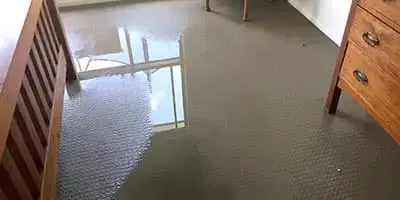
How Carpet Cleaning After Flooding Helps Homes in Titusville After Water Damage
Water damage is something many homeowners in Titusville eventually face, especially during storm season or after plumbing failures. Sometimes it’s a washing machine hose that gives out, sometimes heavy rains overwhelm drainage, and sometimes a small leak spreads farther than expected. No matter the cause, one part of the home that suffers quickly is carpeting.
Carpet absorbs water fast, holds moisture deep in the padding, and can trap humidity long after surfaces appear dry. Without proper cleaning and drying, that trapped moisture can lead to odors, structural damage, and mold growth. That’s why carpet cleaning after flooding is an essential part of recovery—not just a finishing touch.
Across Titusville, Palm Bay, and nearby communities like Rockledge and Merritt Island, proper drying and cleaning have helped many homeowners prevent larger moisture-related problems after water damage.
What Happens to Carpets After Water Damage
When water enters a home, carpets are often the first materials affected. Even shallow water can soak through multiple layers, including:
- Carpet fibers
- Padding underneath
- Subfloor materials
- Baseboards and lower drywall
The surface may dry quickly, but deeper layers often stay damp. In Florida’s humid climate, moisture evaporates slowly, and that creates the conditions where mold and bacteria can develop.
Many homeowners are surprised to learn that carpet padding can hold moisture for several days—even when the top of the carpet feels dry to the touch.
Why Water Damage Impacts Titusville Homes So Often
Homes in Titusville face environmental conditions that make drying more difficult:
- High humidity levels year-round
- Frequent summer storms
- Occasional flooding from heavy rainfall
- Air conditioning systems running constantly
- Warm temperatures that accelerate mold growth
Nearby areas like Cocoa Beach, Satellite Beach, and Melbourne experience similar challenges, but Titusville homes often have additional factors such as older construction or crawl spaces that can retain moisture longer.
Even a small amount of water intrusion can spread into flooring and structural materials if not addressed quickly.
Warning Signs Carpets Need Immediate Attention
After flooding or water damage, it’s important to watch for signs that moisture remains trapped.
Common indicators include:
- Musty or damp odors
- Carpet that feels slightly cool or clammy
- Discoloration or dark patches
- Persistent indoor humidity
- Odors returning after the AC runs
Another warning sign is carpet that dries unevenly or feels spongy in certain areas. This usually means moisture remains in the padding or subfloor beneath.
These symptoms suggest cleaning and drying should be done as soon as possible.
Hidden Moisture Beneath Carpets
One of the biggest risks after water damage is moisture that spreads beyond the visible area.
Water can travel into:
- Subflooring beneath carpets
- Adjacent rooms through baseboards
- Closet floors and corners
- Cabinet bases and drywall
In many Titusville homes, water migrates farther than expected, especially when flooring transitions from tile to carpet. Moisture detection helps locate these hidden areas so drying can be completed properly.
Ignoring hidden moisture is one of the main reasons odors and mold problems appear weeks after flooding.
Why DIY Carpet Drying Often Falls Short
Homeowners often try to dry carpets using fans, air conditioning, or open windows. While these steps help with surface moisture, they rarely remove water from deeper layers.
Common challenges with DIY drying include:
- Humid air slowing evaporation
- Limited airflow beneath carpets
- Moisture trapped in padding
- Odors returning after a few days
In Florida’s climate, drying requires controlled airflow and dehumidification to remove moisture effectively.
Professional drying equipment is designed to pull moisture from deep within flooring materials, not just the surface.
Professional Carpet Cleaning After Flooding: Step-by-Step
A proper cleaning and drying process follows several steps to ensure moisture is fully removed.
Step 1: Inspection and Moisture Detection
Technicians inspect carpets, padding, and surrounding materials to determine how far water has spread.
Moisture meters help locate areas that appear dry but still contain water.
Step 2: Water Extraction
High-powered extraction equipment removes large amounts of water quickly from carpet and padding.
Early extraction is critical because it reduces drying time and limits damage.
Step 3: Controlled Drying
Air movers and dehumidifiers are placed strategically to remove moisture from:
- Carpet fibers
- Padding
- Subfloor
Drying may take several days depending on humidity levels and the amount of water involved.
Step 4: Cleaning and Sanitizing
After drying, carpets are cleaned to remove residues, odors, and contaminants left behind by water.
This step helps restore indoor air quality and improves the condition of the carpet.
Step 5: Final Moisture Verification
Moisture readings confirm materials are completely dry before equipment is removed. This prevents future odor or mold issues.
Mold Risks After Flooding
Mold growth is one of the biggest concerns after water damage in Titusville homes.
Mold can begin developing within 24 to 48 hours in warm, damp environments. Areas most at risk include:
- Carpet padding
- Closet flooring
- Edges along walls
- Rooms with limited airflow
Mold inspection and testing may be recommended if flooding lasted more than a day or if odors persist after drying.
Professionals familiar with Brevard County conditions understand how quickly mold can develop and how to prevent it.
Water Damage Repair and Restoration
Carpet cleaning is often part of a larger restoration process.
If water damage affected walls or structural materials, restoration may include:
- Removing damaged drywall
- Drying framing and insulation
- Repairing flooring
- Moisture monitoring
Addressing the entire affected area helps prevent hidden moisture from causing long-term damage.
Homes in Palm Bay and Rockledge often require similar steps after plumbing failures or storm-related flooding.
Air Ducts, AC Systems, and Indoor Humidity
Water damage doesn’t just affect flooring. Increased humidity can impact HVAC systems as well.
Possible issues include:
- Duct condensation
- Moisture buildup in air handlers
- Musty odors circulating through vents
Air duct inspections may be recommended if odors spread beyond the flooded area or if humidity remains high indoors.
Maintaining dry duct systems is especially important in humid climates like Titusville.
How to Prevent Future Carpet Damage
While flooding isn’t always avoidable, several steps can reduce the risk of long-term damage:
- Address leaks immediately
- Use dehumidifiers after water exposure
- Inspect plumbing regularly
- Keep gutters and drainage systems clear
- Dry affected areas as quickly as possible
Even minor water intrusion should be taken seriously, especially in humid environments.
Quick action can prevent expensive repairs later.
Why Local Experience Matters
Water damage and drying behave differently in Florida than in cooler climates. Homes in Titusville, Melbourne, and Merritt Island face:
- Long humid drying periods
- Frequent storms and heavy rainfall
- Coastal moisture conditions
- Continuous AC usage
Professionals with local experience understand how these conditions affect carpets, flooring, and indoor air quality.
Palm Bay Mold Removal has assisted homeowners across Titusville, Palm Bay, Rockledge, and surrounding communities, helping restore homes after water damage and prevent moisture problems from turning into larger structural or mold issues.
A Practical Next Step for Homeowners
After flooding or water damage, carpets may appear dry long before they truly are. Proper cleaning and drying help prevent odors, mold growth, and costly repairs.
If your home in Titusville experienced water damage, having carpets inspected and cleaned promptly is one of the most effective ways to protect your home and maintain healthy indoor air quality.
Acting early keeps a manageable issue from becoming a major repair—and helps ensure your home stays comfortable, clean, and dry.