How Carpet Cleaning After Flooding Helps Homes in Satellite Beach from Poor Ventilation
Flooding can affect homes in Satellite Beach in several ways, but one of the most overlooked problems happens after the water is gone. Carpets and padding often trap moisture, and when poor ventilation is present, those materials may remain damp for far longer than homeowners expect. This combination of moisture and limited airflow can lead to odors, material deterioration, and mold growth.
What Happens to Carpets After Flooding
Carpets and carpet padding act like sponges. When floodwater or heavy moisture reaches them, they absorb water quickly. Even when the carpet surface appears dry, the padding and subfloor underneath may still hold significant moisture.
Flooding can leave behind:
- Dirt and debris embedded in carpet fibers
- Moisture trapped in padding and subflooring
- Odors caused by bacteria or contaminants
- Damp conditions that allow mold to develop
In coastal climates like Satellite Beach, high humidity slows the drying process, making it even more important to clean and dry carpets properly.
Why Poor Ventilation Makes Flood Damage Worse
Ventilation plays a major role in how quickly carpets dry after flooding. Without proper airflow, moisture remains trapped in flooring materials and indoor air.
Common ventilation-related issues include:
Closed or poorly ventilated rooms
Moist air becomes trapped, slowing evaporation.
Limited attic or crawl space airflow
Humidity levels remain high, affecting floors and lower walls.
Air conditioning systems running without proper dehumidification
Cool air alone may not remove enough moisture from carpets and padding.
Blocked or inadequate exhaust fans
Bathrooms, laundry areas, and kitchens may contribute to indoor humidity.
Homes in Satellite Beach and nearby communities like Cocoa Beach, Melbourne, and Merritt Island often face these conditions, especially during the rainy season.
Early Signs Carpets Were Not Fully Dried
After flooding, carpets may look clean and dry, but hidden moisture often reveals itself through subtle warning signs.
Homeowners commonly notice:
- Musty odors in certain rooms
- Carpets that feel slightly damp or cool
- Increased indoor humidity
- Discoloration or staining returning after cleaning
- Allergy-like irritation indoors
These signs often indicate that moisture remains trapped in carpet padding or subflooring.
Hidden Problems Beneath the Carpet
One of the biggest challenges with flooded carpets is that the most serious problems are often out of sight.
Carpet padding
Padding absorbs and holds water much longer than the carpet surface.
Subflooring
Wood or concrete beneath carpets may remain damp if not dried properly.
Baseboards and lower drywall
Moisture can wick upward from wet flooring materials.
Air ducts near floor level
Humidity and debris may enter duct systems during flooding.
Professional inspections often reveal moisture in these hidden areas even when surfaces appear dry.
Why DIY Carpet Cleaning Often Isn’t Enough
Many homeowners attempt to clean carpets using rental machines or household cleaners after flooding. While these methods can improve appearance, they usually do not remove moisture deep in padding or subflooring.
DIY cleaning often falls short because:
- Household equipment cannot extract water from deep layers
- Drying equipment is not powerful enough
- Moisture levels are rarely measured accurately
- Ventilation issues remain uncorrected
Without proper drying, carpets may develop odors or mold weeks after the initial flooding event.
Professional Carpet Cleaning and Drying Explained
Professional carpet cleaning after flooding involves more than surface cleaning. A thorough process typically includes:
- Inspecting carpets, padding, and surrounding materials
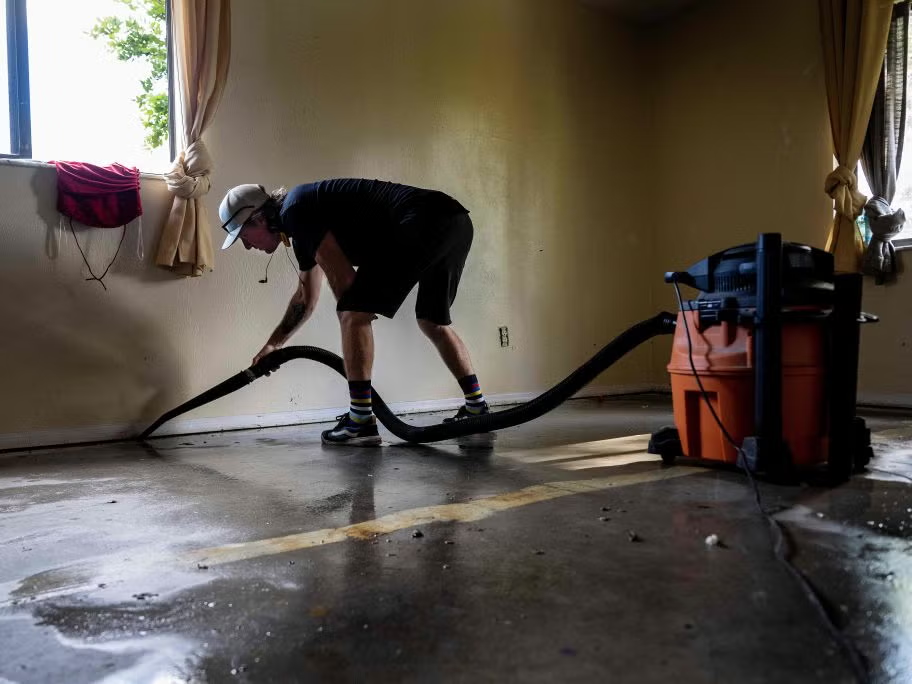
- Extracting water using high-powered equipment
- Cleaning fibers to remove contaminants
- Drying carpets and padding with air movers and dehumidifiers
- Monitoring moisture levels to confirm complete drying
If padding or subflooring is severely affected, replacement may be recommended to prevent long-term damage.
Technicians experienced in Satellite Beach understand how coastal humidity affects drying times and often adjust equipment placement and drying duration accordingly.
Mold Risks When Carpets Stay Damp
Moisture trapped in carpets and padding can create conditions where mold develops quickly, especially in warm climates. Mold growth may begin within a day or two if materials remain damp.
Areas most at risk include:
- Carpet backing and padding
- Subfloor seams
- Baseboards and wall edges
- Furniture legs resting on damp carpet
If mold develops, remediation may be required in addition to carpet cleaning.
Palm Bay Mold Removal and similar local specialists often emphasize that controlling moisture and improving ventilation are essential steps in preventing mold after flooding.
Water Damage Restoration and Structural Drying
Carpet cleaning is often part of a larger flood restoration process. Proper restoration may include:
- Moisture detection in floors and walls
- Structural drying using professional equipment
- Cleaning and sanitizing affected areas
- Inspecting insulation and lower wall sections
These steps help ensure that hidden moisture does not cause long-term damage.
Air Ducts, AC Systems, and Indoor Air Quality
Flooding and damp carpets can also affect HVAC systems. When humidity rises indoors, air ducts may accumulate moisture or debris, allowing odors and contaminants to circulate through the home.
Common HVAC-related concerns include:
- Musty odors from vents
- Dust and debris buildup
- Reduced airflow
- Increased indoor humidity
Inspecting and maintaining HVAC systems after flooding helps restore normal air circulation and improves indoor air quality.
How to Prevent Carpet and Moisture Problems After Flooding
Homeowners in Satellite Beach can reduce future risks by taking preventive steps:
- Dry carpets and flooring as quickly as possible after water intrusion
- Use dehumidifiers to control indoor humidity
- Improve ventilation in affected rooms
- Repair leaks promptly
- Inspect carpets and flooring after storms
- Schedule periodic HVAC maintenance
Even small improvements in airflow and humidity control can significantly reduce moisture problems.
Why Local Experience Matters
Flood restoration and carpet drying in coastal Florida require an understanding of local environmental conditions. Homes in Satellite Beach, Viera, Titusville, and surrounding Brevard County communities often face similar challenges related to humidity and ventilation.
Professionals familiar with the area understand:
- How humidity affects drying times
- Where hidden moisture commonly accumulates
- Which drying and ventilation methods work best in coastal homes
Palm Bay Mold Removal and other experienced local providers often tailor cleaning and drying approaches to these conditions, helping homeowners achieve more reliable results.
A Practical Next Step for Homeowners
If your home has experienced flooding and carpets remain damp, musty, or discolored, it’s wise to have them inspected and cleaned professionally. Early drying and ventilation improvements can prevent mold growth, protect flooring materials, and restore indoor air quality.
With proper cleaning, drying, and maintenance, carpets in Satellite Beach homes can recover from flooding and remain safe, comfortable, and odor-free.