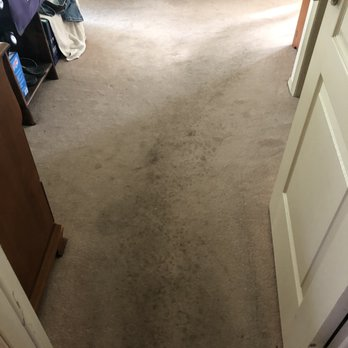
How Carpet Cleaning After Flooding Helps Homes in Palm Bay in Rental Properties
Flooding in Palm Bay can wreak havoc on residential and rental properties, particularly when it comes to carpets. Carpets absorb water quickly, trapping moisture within fibers and padding. In rental properties, the impact can be more severe, as landlords must maintain safe, clean, and habitable spaces for tenants. Effective carpet cleaning after flooding is not just a cosmetic concern—it is an essential step in protecting the property, preventing health hazards, and preserving the long-term value of the flooring and underlying structures.
This guide explores why carpet cleaning after flooding is crucial for rental properties in Palm Bay, outlines the step-by-step cleaning process, examines costs, and provides tips for preventing future flood-related carpet damage.
Why Flooded Carpets Pose Serious Risks in Rental Properties
Floodwater contains contaminants that can create multiple hazards for rental properties:
1. Moisture Retention
- Carpets and padding can retain water long after visible flooding subsides
- Prolonged moisture can lead to structural damage to the subfloor
2. Mold and Mildew Growth
- Mold can develop within 24–48 hours if carpets remain wet
- Mold spores affect air quality, posing health risks to tenants
3. Odors and Staining
- Flooded carpets often retain musty odors and water stains
- Persistent odors can reduce tenant satisfaction and complicate leasing
4. Decreased Property Value
- Unsightly carpets, structural damage, and mold can reduce the property’s marketability
- Delayed restoration increases long-term repair costs
In rental properties, maintaining clean and safe carpets is critical not only for health but also for legal and financial reasons.
Common Causes of Carpet Flooding in Palm Bay Rental Homes
Understanding the causes of flooding helps landlords take preventive measures:
- Severe Rainstorms and Hurricanes – Palm Bay experiences tropical weather, heavy rainfall, and occasional hurricanes.
- Roof or Ceiling Leaks – Aging or damaged roofs can allow water to seep into interior spaces.
- Plumbing Failures – Burst pipes, clogged drains, and faulty appliances can saturate carpets.
- Poor Drainage or Grading – Water pooling near the foundation can infiltrate lower-level rooms.
- Sewer Backup – Blocked sewer lines may result in contaminated water entering the property.
Identifying the source of flooding ensures that the restoration process addresses both the carpet and the root cause.
Step-by-Step Carpet Cleaning After Flooding
Professional carpet cleaning after flooding involves a structured process to remove moisture, sanitize surfaces, and restore carpeting.
Step 1: Assessment and Inspection
- Determine the type of floodwater: clean, gray, or black water
- Inspect the carpet, padding, and subfloor for water saturation
- Identify areas at risk for mold growth or structural damage
Step 2: Water Extraction
- Use high-powered pumps and wet vacuums to remove standing water
- Extract water from carpet fibers and padding thoroughly
- Ensure rapid removal to minimize damage and reduce mold risk
Step 3: Carpet Drying
- Deploy air movers, fans, and dehumidifiers to remove residual moisture
- Monitor moisture content using specialized meters
- Dry carpets and padding completely to prevent microbial growth
Step 4: Cleaning and Sanitization
- Shampoo or hot water extraction removes dirt and debris embedded in fibers
- Apply antimicrobial treatments to prevent mold, mildew, and bacterial growth
- Deodorize carpets to eliminate musty odors
Step 5: Inspection and Repairs
- Check for discoloration, stains, or damage that cannot be restored
- Replace damaged padding if necessary
- Evaluate subflooring for water damage and mold
Step 6: Final Touches
- Groom carpets to restore appearance
- Test air quality to ensure the property is safe for tenants
- Provide documentation for insurance purposes if applicable
Benefits of Professional Carpet Cleaning After Flooding
- Health Protection
- Eliminates mold, bacteria, and allergens
- Reduces risk of respiratory issues, infections, and allergies
- Preservation of Property Value
- Maintains carpet and subfloor integrity
- Reduces long-term repair costs for landlords
- Tenant Satisfaction
- Clean, odor-free carpets improve tenant experience
- Demonstrates proactive property management
- Regulatory Compliance
- Ensures rental properties meet health and safety standards
- Provides documentation for inspections and insurance claims
- Early Damage Detection
- Identifies underlying water damage, mold, or structural issues before they worsen
Costs Associated With Carpet Cleaning After Flooding
Costs vary depending on the extent of damage, carpet size, and water contamination:
- Minor water intrusion (clean water): $150–$500 per room
- Moderate flooding (gray water, minor staining): $500–$1,500 per room
- Severe flooding (black water, structural concerns, mold remediation): $1,500–$5,000+ per room
Factors affecting cost:
- Size of the carpeted area
- Type of carpet and padding
- Presence of mold or microbial contamination
- Equipment and labor needed for drying and cleaning
Investing in professional cleaning after flooding is more cost-effective than carpet replacement, structural repairs, or tenant claims.
Preventive Measures for Rental Properties
Property owners in Palm Bay can minimize flood-related carpet damage through proactive steps:
- Routine Maintenance
- Inspect roofing, gutters, plumbing, and drains regularly
- Seal cracks and reinforce weak points
- Flood-Proofing
- Elevate electrical outlets and HVAC units
- Install backflow valves and sump pumps in basements
- Use of Moisture Detection Tools
- Moisture meters and sensors detect hidden water before visible damage occurs
- Early detection prevents mold growth and structural problems
- Educating Tenants
- Encourage prompt reporting of leaks or flooding
- Provide guidelines on safe cleanup practices during minor water events
- Selecting Flood-Resistant Materials
- Consider waterproof carpet padding or tiles in high-risk areas
- Use low-pile carpets that dry faster after flooding
Health and Safety Considerations
Failure to clean carpets promptly after flooding can lead to:
- Mold and bacterial proliferation affecting indoor air quality
- Allergic reactions and respiratory infections among tenants
- Structural damage to subflooring, increasing risk of collapse or costly repairs
- Attraction of pests such as termites or rodents in damp environments
Professional cleaning mitigates these risks by ensuring complete water removal and sanitization.
Key Takeaways
- Carpet cleaning after flooding is essential for rental properties in Palm Bay to protect tenants’ health and maintain property value.
- Flooded carpets retain moisture, promote mold growth, and can compromise subfloor integrity.
- Professional restoration involves water extraction, drying, sanitization, and repairs.
- Costs depend on damage severity, carpet size, and contamination type.
- Preventive measures include routine maintenance, flood-proofing, tenant education, and early moisture detection.
Conclusion
Flooding in Palm Bay rental properties can result in extensive water damage, particularly to carpets. Effective carpet cleaning after flooding is not merely cosmetic; it is essential for ensuring structural integrity, maintaining indoor air quality, and safeguarding tenants’ health. Professional restoration includes thorough water extraction, drying, cleaning, and sanitization to prevent mold and long-term damage.
By understanding the causes, recognizing warning signs, investing in professional services, and implementing preventive measures, property owners can protect their investment, enhance tenant satisfaction, and reduce the risks associated with flood-damaged carpets. In coastal regions like Palm Bay, proactive carpet care and timely restoration are essential components of responsible property management.