How Carpet Cleaning After Flooding Helps Homes in Cocoa Beach After Hurricanes
Hurricanes and tropical storms are part of life in Cocoa Beach. Even when a storm passes quickly, the water it leaves behind can cause problems that linger long after the skies clear. One of the most affected areas in many homes is carpeting. Carpet and padding absorb water rapidly, and if they aren’t cleaned and dried properly, they can become a source of odors, mold, and long-term structural damage.
Carpet cleaning after flooding isn’t just about restoring appearance. It plays a critical role in moisture control, indoor air quality, and preventing further damage to the home.
What Happens to Carpet After Hurricane Flooding
When floodwater enters a home, carpet is often the first material to absorb moisture. Within minutes, water can soak through:
- Carpet fibers
- Carpet backing
- Padding underneath
- Subflooring
In Cocoa Beach, where humidity remains high after storms, moisture dries slowly. This means damp materials can stay wet long enough to allow mold and odors to develop if proper cleaning and drying are delayed.
Floodwater may also contain debris, salt, and organic material, which makes cleaning and sanitation especially important.
Why Hurricane Flooding Creates Unique Problems in Cocoa Beach
Coastal homes face conditions that make drying and restoration more challenging:
- High humidity slows evaporation
- Wind-driven rain enters through small openings
- Saturated soil increases indoor moisture levels
- Air conditioning systems may be offline during power outages
- Salt air and sand may contaminate wet materials
Nearby communities like Satellite Beach, Merritt Island, and Melbourne experience similar conditions, especially after heavy storms or tropical systems.
Even small amounts of water can spread beneath carpets and into adjacent rooms, making proper inspection essential.
Early Signs Carpet Needs Cleaning After Flooding
Some homeowners assume that if carpet looks dry on the surface, it’s fine. However, moisture often remains trapped underneath.
Common warning signs include:
- Musty or damp odors
- Carpet that feels cool or slightly damp
- Discoloration or staining
- Wrinkling or loosening of carpet
- Increased indoor humidity
- Allergy-like irritation or stale indoor air
These signs usually indicate moisture beneath the surface that requires professional drying and cleaning.
Hidden Moisture Areas Beneath Carpet
After hurricane flooding, moisture frequently spreads beyond the visible wet area.
Common hidden moisture locations include:
- Carpet padding
- Subfloor seams
- Baseboards and wall edges
- Adjacent drywall
- Under furniture or heavy objects
Because these areas are not visible, moisture detection tools are often used to confirm how far water has traveled and whether materials are fully dry.
Without proper detection, damp areas can remain unnoticed until mold develops.
Why Carpet Cleaning Is Important After Flooding
Carpet cleaning after flooding serves several important purposes.
It helps to:
- Remove contaminants left by floodwater
- Eliminate odors caused by moisture
- Prevent mold growth
- Restore indoor air quality
- Extend the life of flooring materials
In many cases, timely cleaning allows carpet to be saved instead of replaced, depending on how long it remained wet and how thoroughly it can be dried.
Why DIY Carpet Cleaning Often Isn’t Enough
It’s common for homeowners to begin cleanup themselves, especially immediately after a storm. While removing visible water is helpful, household equipment usually cannot dry materials deeply enough.
DIY efforts often miss:
- Moisture trapped in padding
- Damp subfloors
- Humidity pockets beneath flooring
- Hidden water that has migrated into nearby areas
Fans and small dehumidifiers may dry the surface while leaving moisture inside materials, which can lead to odors or mold weeks later.
Professional drying equipment and moisture monitoring are often necessary to complete the process properly.
Professional Carpet Cleaning and Restoration Process
A structured approach helps ensure carpets and underlying materials are properly restored.
Step 1: Moisture Inspection
Technicians check carpet, padding, and surrounding materials to determine the extent of water intrusion.
Step 2: Water Extraction
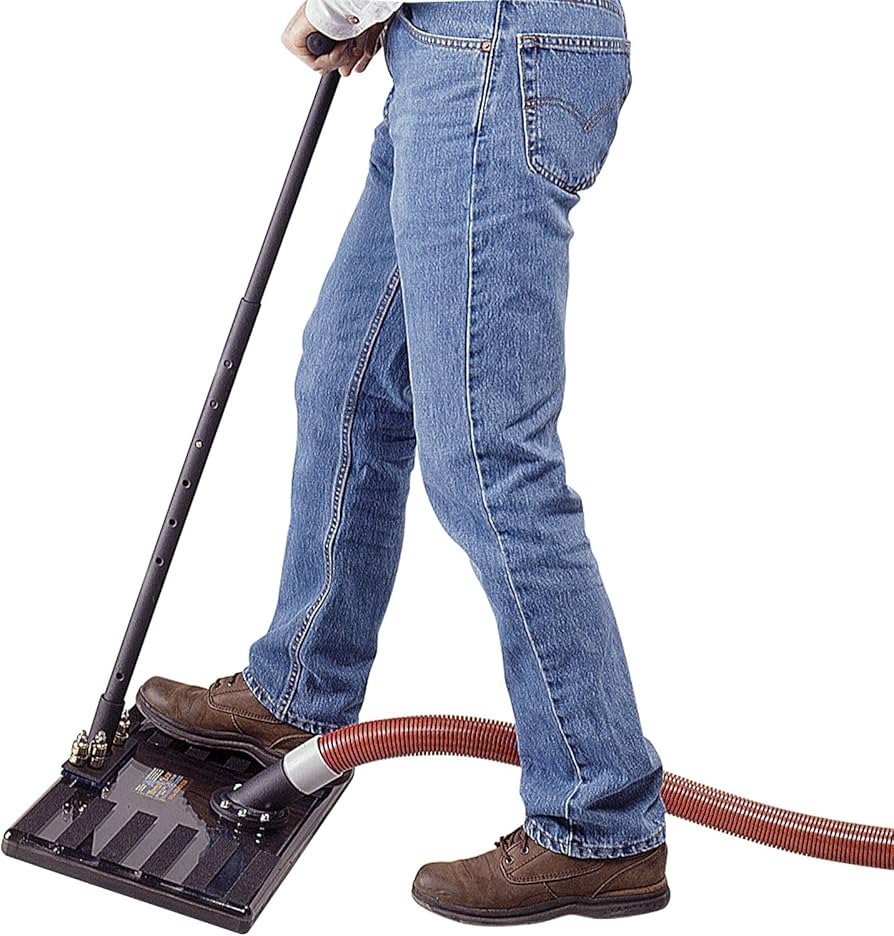
High-capacity extraction equipment removes as much water as possible from carpet and padding.
Step 3: Cleaning and Sanitizing
Professional cleaning removes dirt, debris, and contaminants left behind by floodwater.
Step 4: Structural Drying
Air movers and dehumidifiers are used to dry carpet, padding, and subfloors.
Step 5: Moisture Monitoring
Moisture levels are checked regularly to ensure materials reach safe levels before repairs or reinstallation.
In Cocoa Beach and surrounding Brevard County communities, companies such as Palm Bay Mold Removal often combine carpet cleaning with moisture detection and mold inspection to ensure the entire area is dry and safe.
Mold Risks After Hurricane Flooding
Mold growth is one of the biggest concerns after carpets become wet. Warm temperatures and high humidity create ideal conditions for mold to develop quickly if moisture remains.
Mold commonly develops in:
- Carpet padding
- Drywall near flooring
- Wood subfloors
- Baseboards and trim
Early cleaning and drying significantly reduce the risk of mold growth.
If mold is already present, remediation may be necessary before carpet restoration can be completed.
HVAC Systems and Post-Storm Moisture
Air conditioning systems play a major role in indoor humidity control after hurricanes. If HVAC systems are not inspected after flooding, moisture may continue circulating through the home.
Common concerns include:
- Condensation inside ducts
- Moisture buildup near air handlers
- Reduced airflow due to humidity
Inspecting and maintaining HVAC systems helps improve drying and indoor air quality after restoration.
How to Prevent Carpet Damage After Hurricanes
While storms cannot be avoided, homeowners can reduce damage and recovery time by taking preventive steps:
- Inspect roofs and flashing regularly
- Keep gutters and drainage systems clear
- Seal windows and exterior openings
- Maintain HVAC systems
- Monitor indoor humidity after storms
- Arrange periodic moisture inspections
Quick action after water intrusion is one of the most effective ways to protect flooring.
Why Local Experience Matters
Flood restoration in coastal Florida requires knowledge of humidity, building materials, and storm patterns.
Homes in Cocoa Beach, Satellite Beach, and Merritt Island often experience:
- Slower drying times due to humidity
- Moisture spreading through flooring materials
- Condensation problems after storms
- Mold risk in damp insulation and carpets
Professionals familiar with these local conditions are better equipped to ensure thorough cleaning and drying.
A Practical Next Step for Homeowners
After a hurricane, it’s easy to focus on visible damage and overlook damp carpets or subtle odors. But moisture trapped in flooring can quietly cause problems weeks later.
Professional carpet cleaning and drying help restore homes safely, prevent mold growth, and protect indoor air quality. With timely inspection and proper restoration, homes in Cocoa Beach can recover quickly and remain comfortable and safe even after severe storms.