
How Black Mold Removal Helps Homes in Viera After Hurricanes
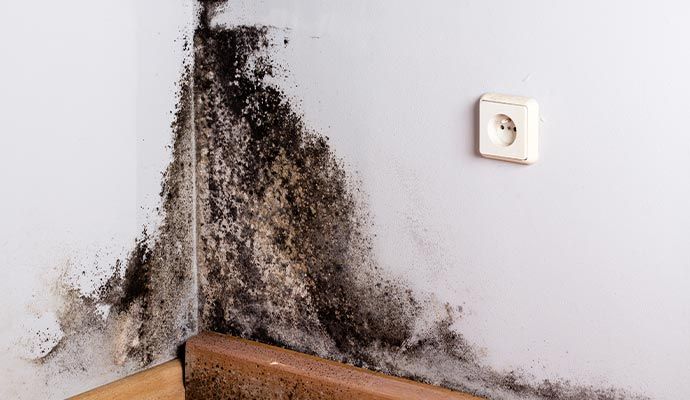
Hurricanes can be devastating for homes in Viera, bringing high winds, heavy rain, and flooding that often lead to hidden water damage. While the visible destruction—damaged roofs, broken windows, and flooded floors—often receives immediate attention, an equally serious but less visible problem can develop in the aftermath: black mold.
Black mold, scientifically known as Stachybotrys chartarum, thrives in moist, damp environments. Even minor leaks from roofs, plumbing, or HVAC systems after a hurricane can create ideal conditions for its growth. If left untreated, black mold can spread quickly, compromising indoor air quality, structural integrity, and the health of residents.
Professional black mold removal is not only a safety measure but also a crucial step in protecting the value and longevity of a home. This comprehensive guide explains why black mold forms after hurricanes, the risks it poses, the removal process, associated costs, and preventive strategies for Viera homeowners.
Why Black Mold Appears After Hurricanes
Hurricanes create an environment where moisture infiltrates homes through multiple pathways:
- Roof Leaks: High winds can lift shingles and damage flashing, allowing water into attics and ceilings.
- Flooding: Heavy rainfall can cause basement, garage, or first-floor flooding.
- Plumbing Damage: Burst or leaking pipes may saturate walls and floors.
- HVAC Condensation: Water intrusion into ductwork can create damp areas for microbial growth.
- High Humidity: Florida’s tropical climate accelerates moisture accumulation in indoor spaces.
These conditions often persist for days or weeks after a storm if the home is not properly dried, giving black mold the perfect environment to take hold.
Risks of Black Mold in Residential Homes
Black mold is more than an unsightly problem—it poses significant health, structural, and financial risks:
1. Health Hazards
Exposure to black mold can trigger a range of health issues:
- Respiratory problems such as coughing, wheezing, or shortness of breath
- Allergic reactions, including sneezing, watery eyes, and skin irritation
- Headaches and fatigue
- Aggravation of asthma or other chronic respiratory conditions
Young children, the elderly, and immunocompromised individuals are especially vulnerable.
2. Structural Damage
Mold feeds on organic materials such as drywall, wood, and insulation. Over time, unchecked growth can weaken walls, ceilings, and floors, leading to costly structural repairs.
3. Reduced Property Value
Homes with mold damage or poor indoor air quality are harder to sell, potentially lowering property value.
4. HVAC Contamination
Mold growing in air ducts can spread spores throughout the home, exacerbating health risks and making remediation more complex.
Warning Signs of Black Mold
Homeowners should be aware of common indicators of mold after hurricane damage:
- Musty Odors: Persistent damp or earthy smells, often strongest in basements, attics, or closets
- Visible Mold Growth: Black, green, or brown patches on walls, ceilings, or around windows
- Water Stains or Discoloration: Yellow, brown, or dark marks on drywall or ceilings
- Peeling or Bubbling Paint: Indicating moisture behind surfaces
- Health Symptoms: Recurring coughing, sneezing, or eye irritation
- Excessive Moisture: Standing water, damp carpets, or condensation on windows and walls
Prompt professional inspection is critical once these signs are noticed, as mold can spread quickly and become increasingly difficult to remove.
Professional Black Mold Removal Process
Certified mold remediation specialists follow a structured, multi-step process to ensure complete and safe removal:
Step 1: Initial Inspection
Technicians inspect the home for visible mold, water damage, and potential moisture sources. Tools like moisture meters, infrared cameras, and hygrometers help locate hidden contamination.
Step 2: Containment
Affected areas are sealed off using plastic barriers and negative air pressure to prevent mold spores from spreading during remediation.
Step 3: Personal Protective Equipment (PPE)
Technicians use PPE, including respirators, gloves, and protective clothing, to safeguard themselves from exposure.
Step 4: Mold Removal
- Non-porous surfaces: Hard surfaces such as metal or glass are scrubbed and disinfected.
- Porous materials: Drywall, insulation, and carpeting that are heavily contaminated may need to be removed and replaced.
Step 5: Cleaning and Sanitization
Air ducts, HVAC systems, and vents are cleaned to remove spores, dust, and debris. Antimicrobial solutions are applied to prevent regrowth.
Step 6: Drying and Dehumidification
High-capacity fans and dehumidifiers reduce moisture levels to prevent further mold growth.
Step 7: Post-Remediation Verification
After cleanup, follow-up testing may be conducted to ensure mold levels are within safe limits and that the home environment is safe for occupancy.
Benefits of Professional Black Mold Removal
- Health Protection: Reduces exposure to harmful mold spores that can cause respiratory and allergic reactions.
- Structural Preservation: Prevents ongoing damage to walls, floors, and ceilings caused by prolonged moisture.
- Odor Elimination: Removes the musty smell associated with mold infestations.
- HVAC Safety: Ensures ducts are free of mold and spores, improving air quality.
- Peace of Mind: Confirms that the home is safe for residents after storm damage.
Costs of Black Mold Removal in Viera
Costs vary depending on the severity of contamination, size of the home, and extent of damage:
- Small areas (less than 10 square feet): $500–$1,000
- Medium contamination (10–50 square feet): $1,000–$3,000
- Large or severe infestations (over 50 square feet): $3,000–$7,000+
Additional costs may include HVAC cleaning, structural repairs, and post-remediation testing. While the investment may seem high, it prevents larger financial and health consequences later.
Preventive Measures for Homeowners
After black mold removal, homeowners can reduce the risk of future infestations:
- Repair Leaks Promptly: Address roofing, plumbing, or window leaks immediately.
- Maintain Proper Ventilation: Use exhaust fans in kitchens, bathrooms, and laundry areas.
- Monitor Humidity Levels: Keep indoor humidity below 60% with dehumidifiers or air conditioning.
- Regular HVAC Maintenance: Inspect and clean ducts, coils, and condensate pans to prevent moisture buildup.
- Storm Preparedness: Install storm shutters, roof reinforcements, and proper drainage to reduce water intrusion.
- Use Mold-Resistant Materials: Consider mold-resistant drywall, insulation, and paints, especially in high-risk areas.
- Routine Inspections: Schedule annual inspections, particularly after hurricane season, to identify moisture issues early.
Real-World Example
A Viera homeowner experienced minor flooding during a hurricane. Initially, water appeared to be confined to the garage, but a musty odor developed inside the home. Professional inspection revealed:
- Black mold growth behind drywall in the garage and near HVAC ducts
- Moisture accumulation in attic insulation and around plumbing lines
The remediation process included:
- Complete removal of contaminated drywall and insulation
- Cleaning and sanitization of HVAC ducts
- Application of antimicrobial treatments to affected surfaces
- Installation of dehumidifiers and repair of the plumbing leak
Post-remediation testing confirmed mold elimination. Early professional intervention prevented the spread to living spaces and avoided significant structural damage.
Choosing a Professional Black Mold Removal Service
Homeowners should select providers who:
- Are licensed, insured, and certified for mold remediation
- Have experience with post-hurricane mold issues
- Use advanced detection and cleaning equipment
- Provide detailed reports and remediation plans
- Offer post-remediation verification and follow-up services
Avoid companies that provide only surface cleaning or low-cost services without thorough inspection.
Final Thoughts
Black mold is a hidden threat that can persist long after hurricane damage in Viera homes. Professional removal services:
- Protect the health of residents by eliminating mold spores and allergens
- Preserve the structural integrity of the home
- Improve indoor air quality and comfort
- Prevent future infestations and costly repairs
By acting promptly, hiring qualified professionals, and implementing preventive measures, homeowners can safeguard their property, health, and investment after hurricane events.