
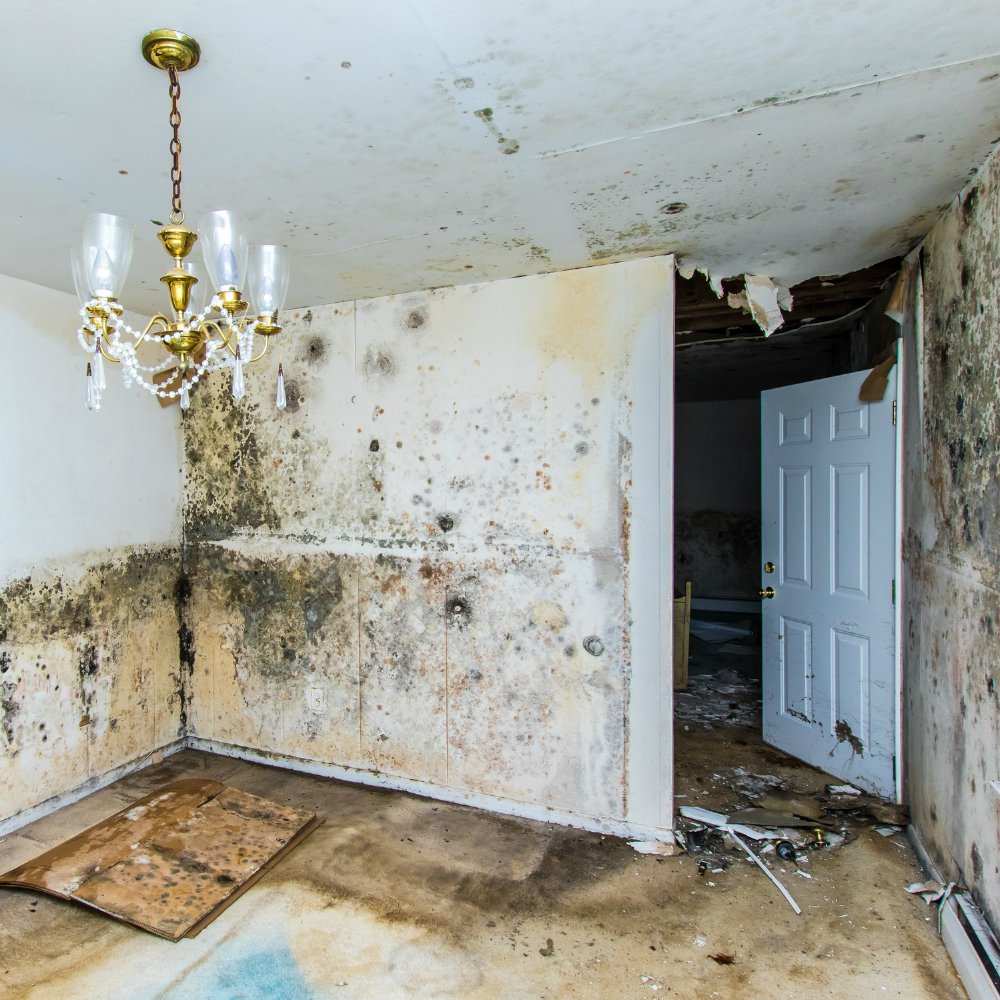
How Black Mold Removal Helps Homes in Merritt Island After Flooding
Flooding in Merritt Island is not unusual. Between heavy summer storms, tropical systems moving up the coast, and high groundwater levels near the Indian River Lagoon, homes here take on water more often than many homeowners expect. What often surprises people is that the real damage doesn’t stop when the standing water is gone.
Black mold becomes the next problem.
After a flood, moisture settles into drywall, insulation, flooring, and framing. In Florida’s humidity, that damp environment becomes the perfect setting for mold growth. Proper black mold removal isn’t just about cleaning visible stains. It’s about restoring the home’s structure and preventing long-term damage that can quietly spread behind walls and under floors.
Understanding Black Mold After Flooding
Black mold is commonly used to describe dark, heavy mold growth that appears after prolonged moisture exposure. Floodwater soaks porous materials quickly. Drywall acts like a sponge. Wood framing absorbs moisture. Carpet padding traps water beneath the surface.
In Merritt Island homes, especially those near canals or low-lying neighborhoods, water intrusion can affect multiple rooms at once. Even if water levels seem minor, moisture can wick upward inside walls several inches above the visible line.
Once materials stay damp for more than a day or two in Florida’s climate, mold colonies begin forming. At first, growth may be light and hidden. Over time, it becomes visible and more difficult to remove.
Why This Happens So Often in Merritt Island
Merritt Island’s location plays a major role. Surrounded by water on both sides, the area experiences high humidity year-round. After storms, outdoor moisture levels stay elevated for days.
Many homes here are built on concrete slab foundations. When floodwater enters, it spreads quickly across the slab and saturates baseboards and drywall. Because slabs retain moisture, they can continue releasing dampness into the structure long after surface water is removed.
Homes in nearby areas like Cocoa Beach and Satellite Beach face similar coastal humidity challenges. Inland communities like Viera and Rockledge may dry slightly faster, but moisture problems are still common throughout Brevard County.
Air conditioning systems also contribute. After flooding, HVAC systems often run continuously to combat humidity. If ducts or air handlers were exposed to water, they can circulate spores through the home.
Common Warning Signs Homeowners Notice
After a flood cleanup, homeowners often notice subtle changes before seeing visible mold.
A persistent musty smell
Dark discoloration along baseboards
Peeling paint or bubbling drywall
Warped laminate or hardwood flooring
Recurring condensation indoors
Sometimes the signs are obvious. Other times, mold grows quietly inside wall cavities or beneath cabinets. By the time staining appears, the issue has usually been present for weeks.
Hidden Moisture Sources Most People Miss
Floodwater doesn’t just affect what you can see. It seeps under tile flooring. It settles beneath built-in cabinetry. It enters insulation inside exterior walls.
In Merritt Island homes with crawl spaces, floodwater can collect below the living area and remain trapped. Even in homes without visible crawl spaces, water can penetrate wall cavities and stay contained behind vapor barriers.
Attics may also become affected if storm damage allows rain intrusion through roofing systems. When ventilation is limited, moisture lingers longer.
Without professional moisture detection equipment, these hidden damp areas are difficult to identify.
Why DIY Mold Removal Often Makes It Worse
After flooding, many homeowners attempt to clean mold themselves. Surface cleaning products may lighten discoloration temporarily, but they rarely address the root problem.
Bleach does not penetrate porous materials effectively. It can evaporate quickly, leaving moisture behind. Scrubbing visible areas without containment may spread spores into unaffected rooms.
Improper removal can also damage structural materials further. Cutting drywall without controlling airborne particles can contaminate HVAC systems and ductwork.
What looks like a simple cleanup often becomes a recurring issue because the source of moisture was never fully addressed.
What a Professional Mold Inspection Includes
A proper inspection begins with identifying moisture levels throughout the home. Technicians use moisture meters to measure dampness inside walls, flooring, and framing.
Thermal imaging may help locate areas where water is trapped behind surfaces. Air sampling can compare indoor spore levels to outdoor baselines. Surface sampling may confirm the type and concentration of mold growth.
The key focus is determining how far the contamination has spread and what materials are affected. Without this step, removal efforts may miss critical areas.
Palm Bay Mold Removal often begins flood-related mold cases with detailed moisture mapping to ensure no hidden pockets are overlooked.
The Correct Mold Remediation Process
Effective black mold removal after flooding follows a structured process.
First, containment barriers are installed to isolate affected rooms. This prevents spores from spreading during removal.
Negative air machines equipped with HEPA filtration help maintain clean airflow.
Contaminated drywall, insulation, and other porous materials are carefully removed when necessary. Structural wood framing is cleaned and treated using professional-grade solutions designed for mold remediation.
Drying equipment, including industrial dehumidifiers and air movers, reduces moisture to safe levels. Moisture readings are monitored continuously until materials reach acceptable standards.
The goal is not cosmetic improvement. It is full structural stabilization.
Flood Restoration and Water Damage Repair
Black mold removal often overlaps with water damage restoration. Flood cleanup must address both moisture and structural repair.
Water extraction equipment removes standing water. Saturated carpet and padding are evaluated. In many cases, replacement is more effective than drying.
Subflooring may require inspection to ensure it has not weakened. Baseboards and trim are commonly removed and replaced.
Throughout the process, humidity levels are controlled to prevent new growth.
In Merritt Island, where humidity remains high even after storms pass, extended dehumidification is often necessary.
Air Ducts, AC Systems and Mold Spread
After flooding, HVAC systems should always be inspected.
If air ducts were exposed to moisture, internal mold growth may develop. Once the system runs, spores can circulate throughout the home.
Air duct cleaning may be recommended when contamination is confirmed. Drain lines should be checked for clogs, as blocked lines contribute to excess indoor moisture.
Maintaining indoor humidity below 60 percent is essential. After flood restoration, dehumidifiers may need to operate for days or weeks depending on conditions.
Preventing Future Mold Problems
Once remediation is complete, prevention becomes the focus.
Ensure proper drainage around the home’s foundation.
Keep gutters and downspouts clear.
Inspect roofing after major storms.
Monitor indoor humidity levels.
Service air conditioning systems regularly.
Address leaks immediately.
Homes near waterways require additional vigilance. Even minor water intrusion during heavy rain can create the conditions mold needs.
Why Local Experience Matters
Flooding patterns in Merritt Island differ from other parts of Florida. High groundwater tables, coastal humidity, and storm surge risks require regional understanding.
Local professionals understand slab construction, block homes, and common building materials used in Brevard County.
Palm Bay Mold Removal has worked extensively throughout Merritt Island, Melbourne, and Titusville. Familiarity with the area allows for faster assessment and more accurate remediation strategies.
Taking Calm, Effective Action
Flooding can feel overwhelming. The visible damage is stressful enough. Mold growth adds another layer of concern.
The key is steady, structured action.
Black mold removal helps restore stability to homes after flooding. By addressing hidden moisture, removing contaminated materials, and controlling humidity, homes can return to a safe, dry condition.
In Merritt Island’s climate, thorough remediation is not optional. It is essential for long-term protection.
If your home has experienced flooding, early inspection and proper mold removal can prevent ongoing structural damage and recurring problems. Acting promptly protects both your property and your peace of mind.