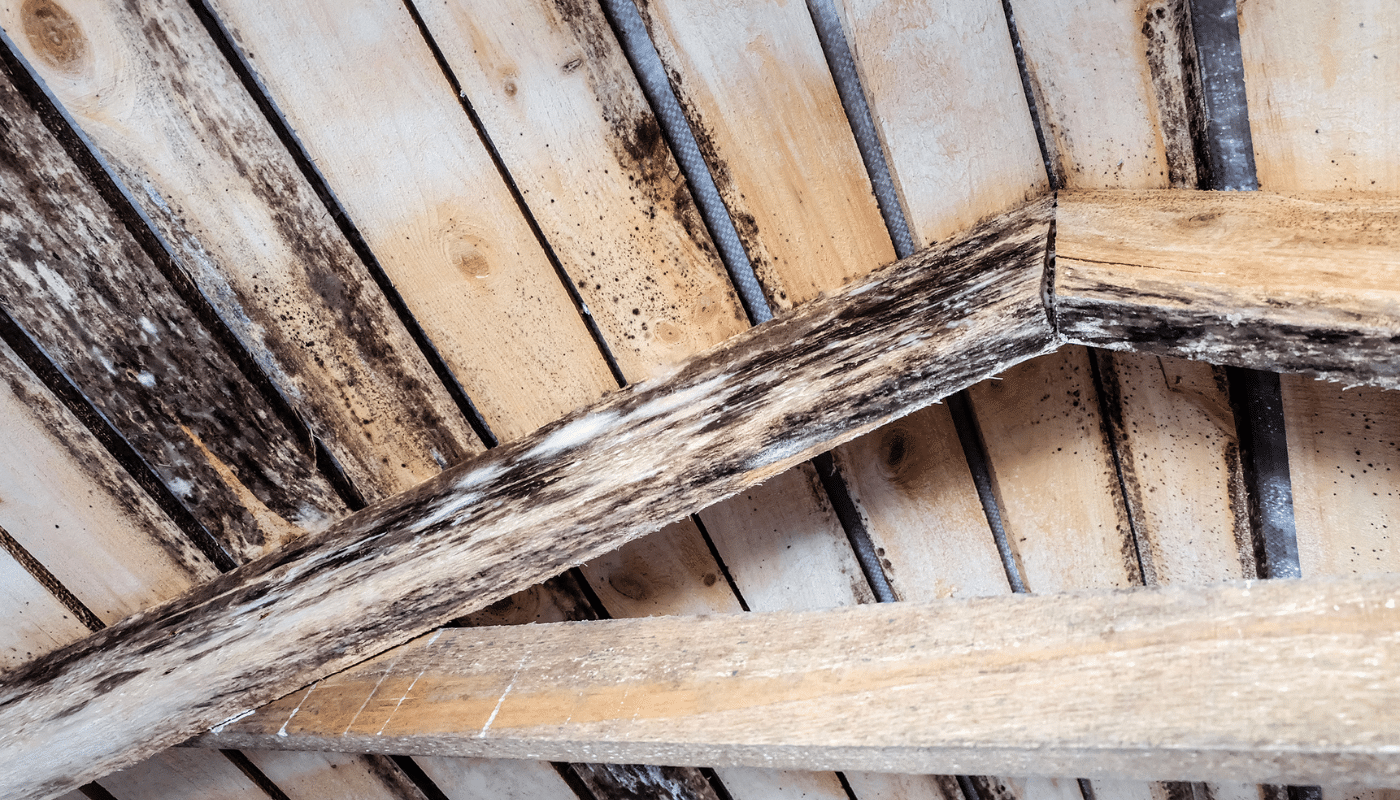
How Black Mold Removal Helps Homes in Melbourne After Roof Leaks
Roof leaks are one of the most common causes of black mold problems in Melbourne homes. Sometimes a leak is obvious after a heavy storm, but more often the water slowly seeps into attic insulation, ceiling drywall, or wall cavities and remains hidden. In Florida’s warm and humid climate, damp materials can begin developing mold much faster than many homeowners expect.
Black mold removal is not just about cleaning visible growth. It involves locating moisture, removing contamination safely, drying structural materials, and preventing the problem from returning. Understanding how this process works helps homeowners respond quickly and protect their homes from long-term damage.
How Roof Leaks Lead to Black Mold
When a roof leaks, water rarely stays in one place. It often travels along rafters, insulation, and drywall before becoming visible as a ceiling stain. By the time the leak is noticed, moisture may already be trapped in several layers of building materials.
In Melbourne homes, roof leaks commonly affect:
- Attic insulation
- Ceiling drywall
- Wood framing
- Air ducts located in attic spaces
- Wall cavities near exterior walls
If these materials remain damp, mold spores naturally present in the air can begin to grow and spread.
Why Black Mold Develops Quickly in Melbourne
Melbourne’s coastal climate creates ideal conditions for mold growth:
- High humidity levels most of the year
- Warm temperatures that accelerate microbial growth
- Frequent storms and heavy seasonal rain
- Long cooling seasons that produce condensation in attics
Even a small leak that occurs repeatedly during storms can keep materials damp long enough for mold to develop.
Homes in nearby areas such as Palm Bay, West Melbourne, and Satellite Beach often experience similar conditions, especially where attic ventilation is limited.
Early Signs Homeowners Often Notice
Black mold problems rarely begin with large visible patches. Many homeowners first notice subtle warning signs, such as:
- A persistent musty smell
- Ceiling discoloration or staining
- Peeling paint or bubbling drywall
- Damp insulation in attic areas
- Increased indoor humidity
These symptoms often indicate moisture is still present even if the roof leak has already been repaired.
Addressing these signs early can reduce the amount of remediation required.
Hidden Areas Where Mold Often Grows After Roof Leaks
One of the challenges with roof leaks is that mold often develops in areas that are not visible during daily routines.
Common hidden locations include:
- The underside of roof decking
- Attic insulation
- Behind ceiling drywall
- Around ductwork in attic spaces
- Inside wall cavities
Because these areas are concealed, mold growth can spread for weeks before being discovered. This is why professional inspection is an important first step.
Why Cleaning Mold Yourself Often Fails
It’s common for homeowners to clean visible mold using household cleaners or paint over stained areas. While this may improve appearance temporarily, it usually does not address the underlying problem.
DIY methods often fail because:
- Moisture sources remain unresolved
- Mold exists inside materials, not just on surfaces
- Damp insulation or drywall continues to hold moisture
- Hidden growth spreads behind walls or ceilings
Proper black mold removal focuses on both contamination and the moisture conditions that caused it.
The Black Mold Removal Process Explained
Once the roof leak is repaired and the extent of contamination is determined, remediation can begin. The process usually follows several steps.
Containment of Affected Areas
Work areas are isolated to prevent spores from spreading to other parts of the home.
Removal of Damaged Materials
Drywall, insulation, or ceiling materials that cannot be cleaned are carefully removed.
Cleaning Structural Surfaces
Wood framing and other structural components are cleaned using appropriate methods.
Drying and Dehumidification
Commercial drying equipment removes remaining moisture from the structure.
Final Moisture Verification
Moisture levels are checked before repairs begin to ensure the area is fully dry.
This structured approach helps prevent mold from returning.
The Role of Water Damage Restoration
Black mold removal after roof leaks often goes hand in hand with water damage restoration. Drying is one of the most important parts of the process.
Restoration may include:
- Removing wet insulation
- Drying attic framing and ceiling materials
- Using dehumidifiers and air movers
- Monitoring moisture levels over time
Skipping proper drying is one of the most common reasons mold problems return later.
HVAC Systems and Attic Mold Risks
Many Melbourne homes have ductwork and air handlers located in attics. When a roof leak occurs, these components can also be affected.
Moisture around ductwork may lead to:
- Mold on duct insulation
- Musty odors circulating through vents
- Reduced airflow or efficiency
Air duct cleaning or insulation replacement may be recommended if contamination is found. Keeping HVAC components dry is an important part of long-term prevention.
Preventing Mold After Roof Leaks
Homeowners can reduce the risk of mold by taking a few practical steps:
- Inspect roofs and flashing regularly
- Address leaks immediately, even small ones
- Check attic areas after heavy storms
- Ensure attic ventilation is adequate
- Maintain gutters and drainage systems
Routine maintenance helps prevent small leaks from turning into larger problems.
Why Local Experience Matters
Black mold removal in Melbourne requires understanding how Florida’s climate affects homes. Coastal humidity, strong storms, and high attic temperatures all influence how moisture behaves and how quickly mold can develop.
Homes in Melbourne, Palm Bay, Rockledge, and Merritt Island often share similar construction styles and ventilation patterns, but each property has unique factors that affect moisture movement.
Professionals familiar with Brevard County conditions—such as Palm Bay Mold Removal—understand where roof leaks typically cause hidden damage and how to remediate affected areas effectively while minimizing disruption.
Local knowledge often leads to faster diagnosis and more reliable long-term results.
A Practical Next Step for Homeowners
If your home has experienced a roof leak and you notice musty odors, stains, or lingering dampness, scheduling a mold inspection is a sensible first step. Early black mold removal prevents structural damage, improves indoor air quality, and helps avoid larger repair projects later.
Roof leaks may seem minor at first, but addressing moisture thoroughly protects both your home and your long-term maintenance costs. Acting early is the most effective way to keep small mold problems from becoming major repairs.