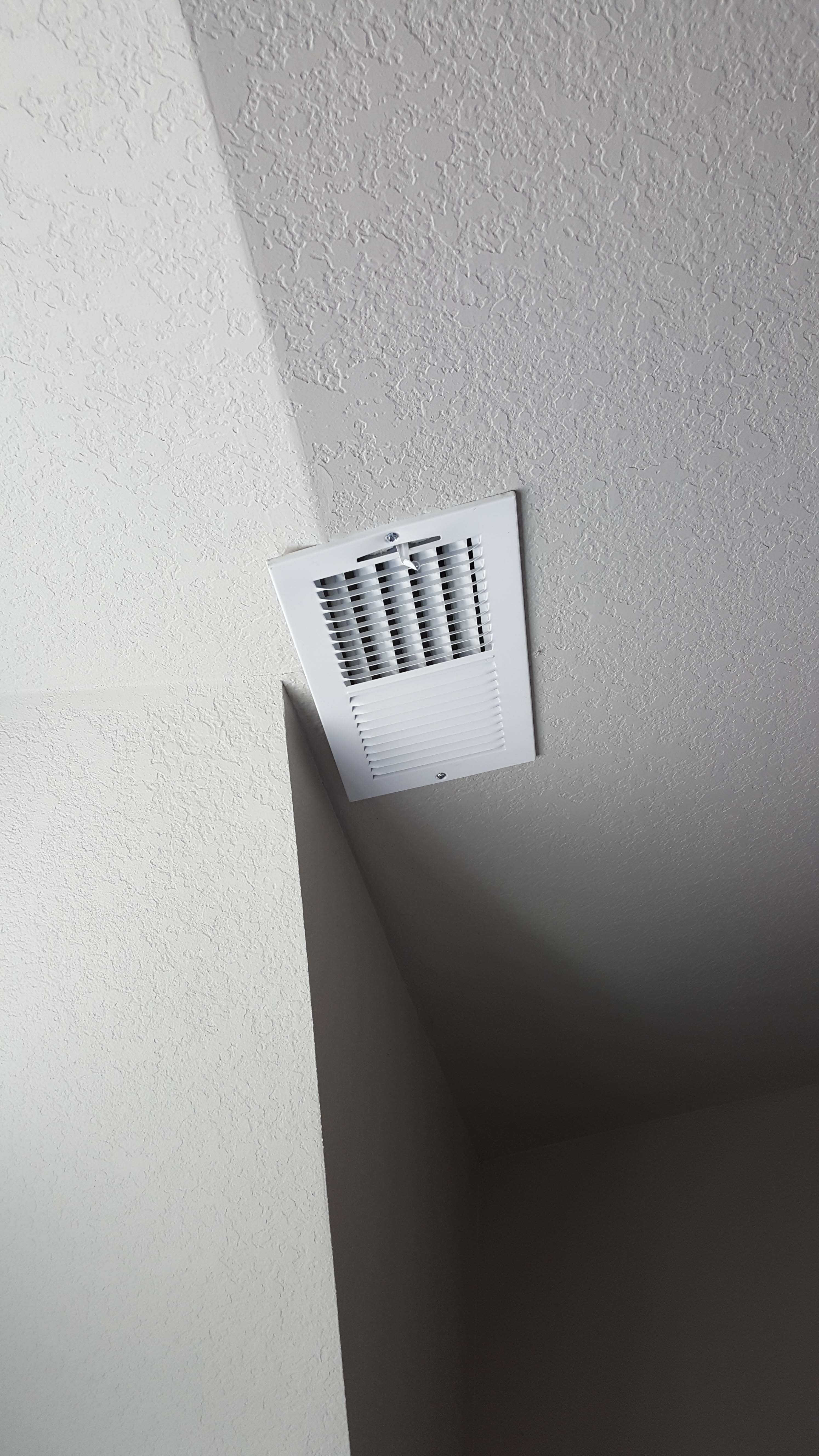
How Air Duct Cleaning Helps Homes in Melbourne from AC Condensation
In Melbourne, Florida, air conditioning runs for much of the year. That constant cooling keeps homes comfortable, but it also creates condensation. Most of that moisture drains away safely, but when condensation forms inside or around ductwork, it can lead to odors, dust buildup, and airflow problems that many homeowners don’t immediately connect to their HVAC system.
Air duct cleaning plays an important role in restoring proper airflow and removing debris that holds moisture. When condensation has been present, cleaning the duct system can also help prevent long-term issues with indoor air quality and structural materials.
What the Issue Really Is
Air conditioning systems remove humidity from indoor air. As warm air passes over the cold evaporator coil, water forms and drains through a condensate line. This process is normal and necessary.
Problems begin when moisture reaches places it shouldn’t, including:
- Inside supply or return ducts
- Around ceiling registers
- On duct insulation in attics
- Inside the air handler cabinet
- Near poorly sealed duct connections
Dust naturally collects in duct systems over time. When condensation mixes with dust, it forms a damp layer that traps additional debris and may eventually lead to odors or contamination. Cleaning removes this buildup and helps restore normal airflow.
Why Condensation Problems Are Common in Melbourne
Homes in Melbourne and nearby communities such as West Melbourne, Palm Bay, and Rockledge share environmental conditions that make condensation more likely.
High humidity levels
Brevard County experiences elevated humidity for much of the year. Even when there is no rain, moisture levels remain high enough to affect building materials and HVAC systems.
Hot attic environments
Many homes have ductwork running through attics where temperatures can rise dramatically. Cold air moving through ducts in these spaces can cause sweating if insulation is damaged or insufficient.
Long AC run times
Because cooling systems operate frequently, small moisture issues can develop gradually over months or years without being noticed.
Seasonal storms and heavy rainfall
Storms can increase indoor humidity and occasionally introduce small amounts of water intrusion, raising moisture levels throughout the home.
Duct leakage
Small leaks in return ducts may pull humid attic air into the system, allowing moisture to circulate and condense in cooler sections.
Common Signs Homeowners Notice
Condensation-related duct problems often appear as minor symptoms at first. Homeowners in Melbourne frequently report:
- Musty odors when the AC starts
- Dust returning quickly after cleaning
- Uneven cooling in different rooms
- Dark buildup around vents
- Higher energy bills without a clear reason
- Slight staining around ceiling registers
These signs do not always indicate serious damage, but they often suggest that moisture and debris are present in the system.
Hidden or Overlooked Sources of Moisture
Condensation inside ducts is often connected to other small issues that go unnoticed.
Return air leaks
Returns located in attics or wall cavities can pull humid air into the system.
Clogged condensate drains
Restricted drain lines can increase moisture levels inside the air handler and nearby ducts.
Damaged duct insulation
Torn or compressed insulation allows warm, humid air to contact cold duct surfaces, creating condensation.
Airflow restrictions
Dirty filters, closed vents, or undersized returns reduce airflow and may increase moisture accumulation.
Past water damage
Homes that experienced plumbing leaks or roof leaks may retain moisture in building materials that increases indoor humidity.
Identifying these factors helps ensure that duct cleaning provides lasting results.
Why DIY Cleaning Usually Isn’t Enough
Some homeowners attempt to clean vents themselves, but most household tools cannot reach deep into the duct system.
Common limitations include:
- Insufficient suction power to remove debris from long duct runs
- Inability to access trunk lines or return ducts
- No way to evaluate moisture conditions inside the system
- Risk of pushing debris deeper into ducts
Surface cleaning may improve appearance temporarily, but deeper buildup often remains.
Professional Mold Inspection and Testing Explained
When odors or moisture concerns exist, inspection is often the first step before cleaning begins.
A professional inspection may include:
- Visual examination of accessible duct sections
- Moisture detection around vents and insulation
- Inspection of attic duct runs
- Checking the air handler and drain lines
- Evaluating indoor humidity levels
Testing is used only when necessary to confirm conditions or guide remediation decisions.
Step-by-Step Air Duct Cleaning Process
When condensation has contributed to buildup, a thorough cleaning process is essential. A typical professional process includes:
System preparation
Work areas are protected, and the system is prepared to prevent debris from entering living spaces.
Creating negative pressure
A high-capacity vacuum system is connected to the ductwork, pulling debris safely out of the system.
Dislodging debris
Specialized tools loosen dust and buildup from the interior surfaces of ducts.
Cleaning supply and return lines
Both sides of the system are cleaned to remove accumulated material and improve airflow.
Cleaning accessible air handler components
Removing debris from accessible areas prevents particles from recirculating.
Final inspection
Technicians verify that airflow is restored and the system is functioning correctly.
This process removes the damp debris that allows odors and moisture-related issues to persist.
Flood Restoration and Water Damage Repair
In some cases, condensation problems develop after water intrusion events. Heavy rains, plumbing leaks, or minor flooding can increase indoor humidity, allowing ducts to collect moisture.
Water removal, drying, and repairs often occur before duct cleaning to ensure that the environment is stable. Moisture detection helps confirm that hidden damp areas have been properly dried.
Air Ducts, AC Systems, and Mold
Mold growth requires moisture, organic material, and time. Dust inside duct systems can provide a surface where growth may occur if moisture is present.
Air duct cleaning helps by:
- Removing debris that retains moisture
- Improving airflow and humidity control
- Reducing conditions that allow contamination to develop
When paired with proper AC maintenance and moisture control, cleaning helps prevent recurring problems.
How to Prevent Condensation Problems in Melbourne Homes
Preventive maintenance reduces the likelihood of moisture-related duct issues.
Helpful steps include:
- Changing HVAC filters regularly
- Scheduling routine AC maintenance
- Keeping supply vents open for balanced airflow
- Sealing duct leaks when discovered
- Maintaining attic insulation
- Ensuring condensate drains remain clear
- Addressing roof or plumbing leaks promptly
These steps help maintain stable humidity levels and protect HVAC systems from unnecessary wear.
Why Local Experience Matters
Homes in Melbourne and nearby areas like Palm Bay, Viera, Satellite Beach, and Titusville share similar construction styles and climate conditions. Professionals familiar with Brevard County homes understand where condensation tends to form and how attic environments affect duct systems.
Palm Bay Mold Removal works with homeowners across the region to inspect duct systems, identify moisture sources, and recommend practical steps that keep homes comfortable and efficient.
A Calm Next Step
If you notice musty odors, recurring dust, or uneven cooling, it may be time to evaluate the duct system. A clear inspection followed by proper cleaning and moisture control can help restore airflow and prevent long-term problems.
Addressing condensation early is one of the most effective ways to protect both indoor air quality and the overall HVAC system in Melbourne homes.