
How Air Duct Cleaning Helps Homes in Cocoa Beach after Hurricanes
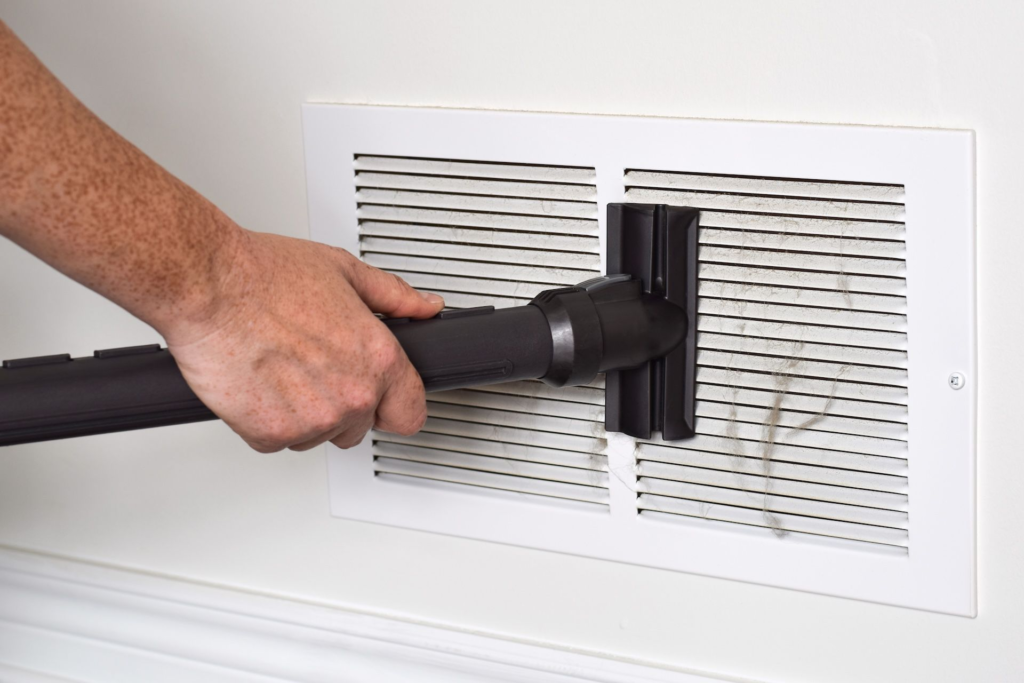
Hurricanes and tropical storms are an unavoidable part of life in Cocoa Beach. Even when homes avoid major structural damage, storms often leave behind hidden moisture, debris, and contamination inside HVAC systems and air ducts. Many homeowners focus on roof repairs or visible water cleanup but overlook how storms impact duct systems.
After hurricanes, air ducts frequently collect moisture, insulation debris, dust, and sometimes mold contamination. When the air conditioning system runs, these contaminants circulate through the home, affecting comfort and indoor air quality.
Understanding how professional air duct cleaning helps homes recover after storms allows homeowners to prevent long-term issues and restore healthy airflow throughout their properties.
How Hurricanes Affect HVAC and Duct Systems
Hurricanes expose homes to intense rain, high winds, and humidity. Even small roof or attic leaks can allow moisture to enter areas where ductwork and air handlers are installed.
Storm impacts often lead to:
• Roof leaks wetting attic insulation and ductwork
• Wind-driven rain entering attic spaces
• High humidity saturating duct insulation
• Debris entering ventilation systems
• Power outages causing systems to shut down while moisture remains
Once moisture reaches duct systems, dust and debris combine with damp surfaces, creating ideal conditions for odor problems and mold growth.
Many homeowners never realize their duct system was affected until air quality declines weeks later.
Why Cocoa Beach Homes Face Higher Storm Risks
Cocoa Beach homes sit close to the coastline, making them especially vulnerable during hurricane season.
Several factors increase duct contamination risks:
• Coastal exposure to strong storms
• Wind-driven rain entering attic spaces
• High humidity slowing drying after storms
• Older duct insulation in some homes
• Storm debris entering ventilation systems
Even homes that do not flood may experience attic moisture problems that impact duct systems.
Moisture trapped after storms becomes one of the biggest threats to indoor air quality.
Warning Signs Duct Systems Were Affected by Storms
Homeowners often notice subtle changes after hurricanes but may not connect them to duct contamination.
Common warning signs include:
• Musty odors when AC runs
• Increased indoor dust accumulation
• Rooms cooling unevenly
• Higher indoor humidity
• Allergy irritation indoors
• Air feeling stale or heavy
• Dust buildup around vents
These signs often indicate moisture or debris contamination inside ductwork.
Ignoring symptoms allows contamination to continue spreading through the home.
Hidden Areas Where Moisture and Debris Accumulate
Storm-related moisture frequently spreads into concealed areas connected to duct systems.
Common hidden problem areas include:
• Attic duct insulation
• Flexible duct liners
• Ceiling cavities around vents
• Air handler cabinets
• Return air duct pathways
Because these spaces are hidden, contamination may remain unnoticed until indoor air quality declines.
Professional inspections help locate hidden moisture and debris early.
Why DIY Cleaning Rarely Solves the Problem
Some homeowners try replacing filters or wiping vents after storms. While helpful, these steps rarely address contamination deeper inside the system.
DIY cleaning usually cannot remove:
• Debris deep inside ducts
• Mold growth inside duct insulation
• Moisture trapped in duct liners
• Contamination inside HVAC components
Improper cleaning may even spread dust and spores further throughout the home.
Professional equipment removes contaminants safely and thoroughly.
How Professional Air Duct Cleaning Works
Professional air duct cleaning restores clean airflow throughout HVAC systems after storm events.
The cleaning process typically includes:
Inspection of HVAC and Duct Systems
Technicians inspect ducts, insulation, and air handlers to locate contamination and moisture damage.
Negative Pressure Vacuum Cleaning
High-powered vacuum equipment removes dust and debris from ducts without spreading contamination indoors.
Mechanical Agitation
Specialized tools loosen debris inside ducts so it can be safely extracted.
Cleaning of HVAC Components
Air handler components and accessible system areas are cleaned to improve airflow and remove contaminants.
Moisture and Insulation Assessment
If insulation or duct materials are heavily damaged, replacement may be recommended.
Local specialists familiar with Brevard County housing conditions, including Palm Bay Mold Removal, understand how storm moisture affects local homes and how to restore duct systems effectively.
Indoor Air Quality Improvements After Cleaning
When ducts contain moisture and debris, contaminants circulate every time the system runs.
After professional cleaning, homeowners often notice:
• Fresher indoor air
• Reduced odors
• Less dust accumulation
• Improved airflow
• Better comfort throughout rooms
Clean ducts help restore healthier airflow throughout the home.
HVAC Efficiency After Hurricane Recovery
Dirty or contaminated ducts force HVAC systems to work harder, increasing energy use and reducing cooling efficiency.
Storm-related contamination may cause:
• Higher energy bills
• Uneven room temperatures
• Increased system strain
• More frequent maintenance issues
Cleaning ducts helps systems operate more efficiently and reduces unnecessary wear.
Mold Risks After Storm Moisture
One of the biggest concerns after hurricanes is mold growth inside HVAC systems and ductwork.
Mold commonly develops in:
• Damp duct insulation
• Air handler drain areas
• Ceiling cavities around vents
• Return air ducts
If mold spores circulate through ducts, contamination spreads throughout the home.
Professional cleaning and drying help prevent mold from taking hold.
Preventing Future Duct Problems After Hurricanes
Homeowners can reduce future risks by taking preventive steps after storms.
Helpful prevention measures include:
• Inspecting attics for leaks after storms
• Scheduling HVAC inspections annually
• Monitoring indoor humidity levels
• Repairing roof leaks promptly
• Replacing damaged duct insulation
• Cleaning ducts periodically
Routine inspections often catch moisture issues early.
Preventive maintenance protects long-term home comfort.
Why Local Experience Matters in Cocoa Beach
Homes in Cocoa Beach and nearby communities like Merritt Island, Satellite Beach, and Rockledge share similar construction patterns and storm exposure.
Local professionals understand:
• Coastal storm damage patterns
• Humidity effects on attic spaces
• Construction materials common locally
• Moisture behavior after hurricanes
Experience with local housing allows faster identification of problems and more effective solutions.
Local knowledge ensures repairs address root causes rather than temporary symptoms.
Acting Quickly Restores Comfort After Storms
Hurricanes may leave homes looking intact while hidden moisture and debris remain inside HVAC systems. Acting quickly prevents air quality decline and future contamination.
If your home smells musty, feels humid, or shows dust buildup after a storm, professional duct inspection and cleaning can uncover hidden problems before they worsen.
Trusted local specialists such as Palm Bay Mold Removal help homeowners understand storm-related moisture risks and restore airflow that keeps homes comfortable.
Taking early action helps Cocoa Beach homeowners maintain cleaner air, healthier living spaces, and reliable cooling systems long after hurricane season ends.