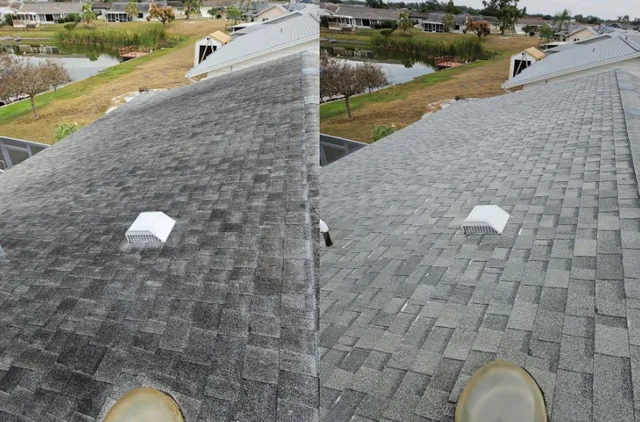
How AC Mold Cleaning Helps Homes in Viera After Roof Leaks
Homes in Viera often face challenges related to humidity, heavy rainfall, and occasional roof leaks. When water enters a home through a compromised roof, it can seep into walls, ceilings, and HVAC systems. One of the most critical areas affected is the air conditioning system. Moisture inside ducts and AC units can promote mold growth, which affects both indoor air quality and the health of residents.
Professional AC mold cleaning is essential after roof leaks. It removes harmful mold spores, prevents further contamination, and ensures safe airflow throughout the home. This guide explains the causes of mold in AC systems after roof leaks, warning signs, the cleaning process, and the benefits for homeowners in Viera.
Why Roof Leaks Affect AC Systems
- Water Intrusion into Ductwork
- Leaks allow water to drip into ceiling vents or duct joints, creating damp environments perfect for mold growth.
- Moisture Accumulation in AC Units
- Roof leaks near the attic or mechanical rooms can allow water to pool in condensate pans, coils, or insulation around the HVAC system.
- High Humidity in Viera Homes
- The naturally humid climate increases the likelihood that AC units and ductwork will remain damp after leaks.
- Stagnant Air
- Poor airflow in HVAC systems after leaks promotes condensation and microbial growth.
- Contamination Spread
- Mold spores inside AC ducts are circulated throughout the home, impacting indoor air quality and potentially causing respiratory problems.
Common Signs That AC Mold Cleaning Is Needed
Homeowners should watch for these indicators:
- Musty or Moldy Odors
- Persistent smells coming from vents or throughout the home.
- Visible Mold
- Black or green spots on ducts, vents, or around the AC unit.
- Increased Allergy or Respiratory Symptoms
- Sneezing, coughing, itchy eyes, or asthma flare-ups among residents.
- Reduced AC Efficiency
- Mold buildup can obstruct airflow, reducing cooling performance.
- Excessive Condensation
- Water pooling around AC units or damp air coming from vents.
Ignoring these signs can lead to widespread mold contamination, structural damage, and long-term health risks.
Step-by-Step AC Mold Cleaning Process After Roof Leaks
Step 1: Safety Precautions
- Turn off the HVAC system and power supply before starting cleaning.
- Wear protective gear including gloves, masks, and goggles.
Step 2: Inspection
- Check ductwork, vents, coils, condensate pans, and insulation for mold or moisture.
- Identify areas where roof leaks contributed to water exposure.
Step 3: Containment
- Seal off affected areas to prevent mold spores from spreading to other rooms during cleaning.
Step 4: Removal of Contaminated Materials
- Replace heavily contaminated insulation or duct sections.
- Remove debris and sediment from the system.
Step 5: Cleaning and Disinfection
- Use professional-grade brushes, vacuums, and HEPA-filter equipment to clean ducts and AC components.
- Apply antimicrobial or EPA-approved disinfectants to kill mold spores.
Step 6: Drying
- Ensure all ducts, vents, and AC units are completely dry to prevent future growth.
- Use dehumidifiers and airflow management if necessary.
Step 7: System Testing
- Turn on the HVAC system to verify airflow and ensure that odors are gone.
- Inspect for any remaining moisture or mold.
Step 8: Preventive Measures
- Install new air filters and maintain regular cleaning schedules.
- Monitor for signs of future roof leaks and moisture accumulation.
Benefits of AC Mold Cleaning After Roof Leaks
- Health Protection
- Removes airborne mold spores, reducing allergies, asthma triggers, and respiratory issues.
- Improved Indoor Air Quality
- Ensures clean, fresh air circulation throughout the home.
- Preserves HVAC Efficiency
- Clean ducts and components improve airflow, cooling performance, and energy efficiency.
- Prevents Structural Damage
- Eliminates mold in AC systems before it spreads to walls, ceilings, and insulation.
- Cost Savings
- Early cleaning prevents extensive mold remediation, structural repairs, or replacement of the HVAC system.
- Peace of Mind
- Confirms the home is safe, healthy, and comfortable for all residents.
Preventive Tips for Homeowners
- Regular AC Inspections
- Schedule professional inspections, especially after heavy storms or roof leaks.
- Roof Maintenance
- Repair leaks promptly to prevent water from entering HVAC systems.
- Proper Ventilation
- Ensure adequate airflow in attics and mechanical rooms to reduce condensation.
- Use High-Quality Air Filters
- HEPA filters capture spores and reduce indoor contamination.
- Monitor Humidity
- Maintain indoor humidity below 60% to prevent mold proliferation.
Conclusion
Roof leaks in Viera homes can silently damage AC systems, creating ideal conditions for mold growth and compromised indoor air quality. Professional AC mold cleaning after water exposure is critical to remove spores, protect health, and restore HVAC efficiency.
By recognizing early warning signs, performing thorough cleaning and disinfection, and implementing preventive measures, homeowners can ensure a safe, healthy, and comfortable living environment while preserving both their HVAC system and overall property value. AC mold cleaning is an essential step in post-storm home maintenance in humid, coastal climates like Viera.