
How AC Mold Cleaning Helps Homes in Titusville After Storm Damage
Storms in Titusville don’t just leave behind fallen branches and soaked yards. They also leave moisture in places most homeowners never see — especially inside HVAC systems.
After heavy rain, wind-driven water, or extended power outages, air conditioning systems often become hidden moisture traps. When AC units restart after a storm, that damp environment can quickly turn into mold growth inside the system.
If your home smells musty when the AC turns on after a storm, or your indoor air feels heavier than usual, AC mold cleaning may be the missing step in your storm recovery process.
Why Storm Damage Impacts AC Systems in Titusville
Titusville’s location near the Indian River means high humidity is already normal. After a storm, moisture levels spike even higher.
Here’s what typically happens:
- Wind-driven rain enters attic spaces
- Roof leaks dampen insulation around ductwork
- Power outages stop AC systems while humidity rises
- Condensation accumulates when systems restart
- Drain lines clog due to debris or sediment
These conditions create an ideal environment for mold growth inside air handlers, evaporator coils, and ducts.
Storm damage doesn’t have to directly hit the AC unit to cause problems. Elevated humidity alone can trigger internal moisture buildup.
Where Mold Forms Inside AC Systems
After storm exposure, mold commonly develops in:
Evaporator Coils
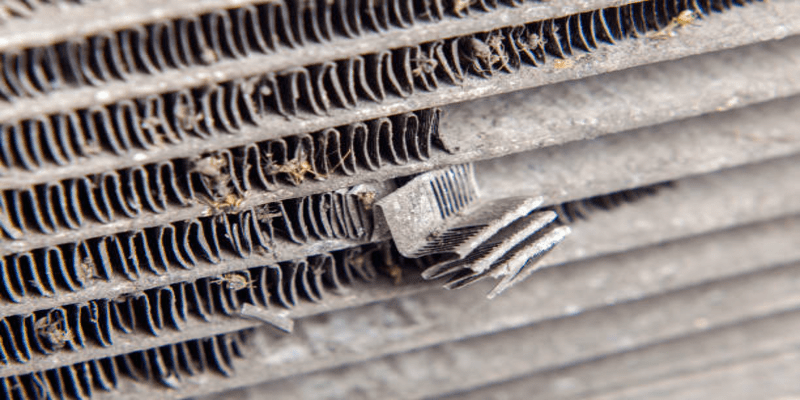
Dust collects on coils over time. When damp air passes through, that debris stays wet.
Drain Pans
If storm debris or sediment clogs the condensate line, water remains in the pan.
Blower Compartments
Moisture from the air can settle in dark, enclosed sections of the unit.
Duct Insulation
Wet attic conditions may cause condensation on poorly insulated ducts.
Once mold establishes itself inside the system, it can spread spores throughout the home each time the AC runs.
Warning Signs After a Storm
Homeowners in Titusville should watch for:
- Musty odors when AC cycles on
- Increased indoor humidity
- Visible dark spots near vents
- Uneven cooling between rooms
- Allergy-like symptoms indoors
- Condensation around vent grilles
If these signs appear within days or weeks after a storm, the AC system should be inspected.
How AC Mold Cleaning Works
Professional AC mold cleaning is a structured process designed to remove contamination and correct moisture issues.
1. Full HVAC Inspection
Technicians inspect:
- Air handler cabinet
- Evaporator coils
- Drain pan and condensate line
- Blower components
- Duct connections
Moisture readings help determine whether mold growth is likely.
2. Coil and Component Cleaning
Evaporator coils are cleaned using appropriate HVAC-safe methods. Removing debris prevents moisture from clinging to surfaces.
3. Drain Line Clearing
Condensate lines are flushed to ensure proper drainage moving forward.
4. Interior Cabinet Cleaning
Interior surfaces are cleaned to remove contamination inside the air handler.
5. Duct Evaluation
If storm-related moisture entered attic ductwork, duct cleaning or insulation replacement may be necessary.
Palm Bay Mold Removal often performs AC mold cleaning services throughout Titusville and surrounding Brevard County communities following major storm events.
Why Mold in AC Systems Is a Bigger Issue After Storms
During storms, homes remain closed for extended periods. Power outages prevent dehumidification. Moisture accumulates without ventilation.
When electricity returns and the AC restarts:
- Warm, damp air meets cold coils
- Condensation increases
- Mold growth accelerates
Because AC systems circulate air through the entire home, contamination inside the system affects every room.
The Role of Attics in Storm-Related Mold Issues
Many Titusville homes have attic-mounted ductwork.
After a storm:
- Roof leaks may dampen attic insulation
- High humidity increases condensation on ducts
- Poor ventilation traps moist air
If duct insulation becomes saturated, mold growth may occur externally on duct surfaces.
AC mold cleaning sometimes includes attic duct inspection to ensure the problem is fully resolved.
AC Mold Cleaning vs. Full Mold Remediation
Not every situation requires full structural remediation.
If contamination is limited to HVAC components, targeted AC mold cleaning may be sufficient.
However, if moisture spread into walls or ceilings, additional remediation steps may be necessary.
Professional inspection determines the scope accurately.
Preventing Recurrence After Cleaning
Cleaning alone won’t prevent future problems if moisture sources remain.
After storm damage, homeowners should:
- Inspect roofing and flashing
- Ensure attic ventilation is adequate
- Flush condensate lines annually
- Replace air filters regularly
- Monitor indoor humidity levels
Maintaining humidity between 40–60% reduces mold risk significantly.
Rental Properties After Storms
Landlords in Titusville should pay special attention to AC systems after storms.
Tenants may report:
- Odors
- Poor airflow
- Damp air
Prompt AC inspection protects property value and prevents complaints from escalating.
Documented maintenance also demonstrates proactive property management.
Why DIY Cleaning Isn’t Enough
Surface spraying inside vents rarely addresses internal coil contamination.
DIY efforts often miss:
- Blower compartments
- Drain line blockages
- Hidden coil buildup
- Attic duct insulation issues
Professional cleaning ensures the full system is evaluated, not just visible sections.
Why Local Experience Matters in Titusville
Storm patterns in Brevard County bring intense wind and humidity shifts. Homes in Titusville, Rockledge, and Merritt Island share similar structural layouts, often with attic duct systems vulnerable to storm moisture.
A local company understands:
- How coastal storms affect HVAC systems
- Common drainage problems in slab homes
- Typical attic insulation vulnerabilities
- Seasonal humidity fluctuations
Palm Bay Mold Removal has experience addressing post-storm AC mold issues across the Titusville area, focusing on both cleanup and long-term moisture control.
When to Schedule AC Mold Cleaning After a Storm
You should consider inspection if:
- The AC was off for an extended period
- Flooding occurred near the air handler
- Attic leaks were present
- Musty odors persist
- Indoor humidity remains high
Early inspection prevents small contamination from becoming widespread.
Final Thoughts
Storm damage in Titusville doesn’t end when the rain stops. Moisture left behind inside AC systems can quietly develop into mold growth that affects the entire home.
AC mold cleaning restores system cleanliness, improves indoor air quality, and prevents long-term HVAC damage.
In Florida’s humid climate, storm recovery should always include HVAC evaluation. With proper inspection, cleaning, and moisture control, your home can return to safe, comfortable conditions — even after severe weather.