
How AC Mold Cleaning Helps Homes in Satellite Beach in Humid Summers
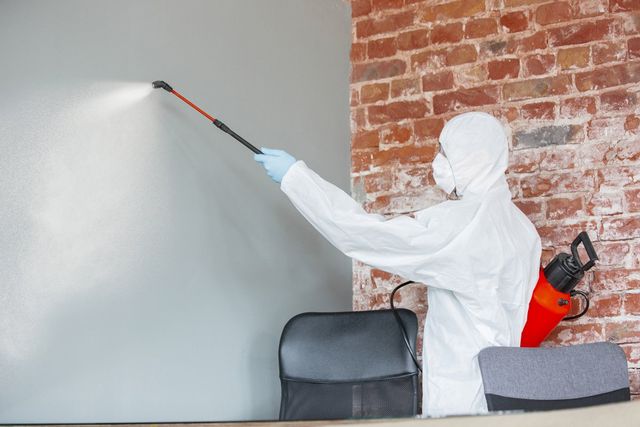
The summer months in Satellite Beach are notorious for high humidity and heat, which create ideal conditions for mold growth in residential properties. Air conditioning (AC) systems are critical for maintaining comfort, but they can also become breeding grounds for mold if not properly maintained. Mold in AC units and ductwork not only affects indoor air quality but can also damage the system and reduce efficiency.
This guide explains why AC mold cleaning is essential in humid summers, how mold develops in AC systems, the signs homeowners should watch for, the cleaning process, and preventive strategies to protect both the home and its occupants.
Understanding Mold Growth in AC Systems
Mold, particularly in humid climates like Satellite Beach, thrives in moist, warm environments. Air conditioning systems can inadvertently provide the perfect conditions for mold proliferation.
Key factors contributing to AC mold growth include:
- Condensation – Cooling coils, drip pans, and ductwork accumulate moisture during operation.
- High Humidity – Florida’s summers often see relative humidity levels above 70%, increasing moisture in indoor air.
- Poor Airflow – Clogged filters, dirty coils, or blocked ducts reduce ventilation and trap moisture.
- Organic Dust and Debris – Dust, pollen, and other organic particles in ducts provide nutrients for mold growth.
If left untreated, mold spores can circulate through the home, causing odors, reducing air quality, and potentially impacting health.
Common Causes of AC Mold in Satellite Beach Homes
1. Moisture Accumulation in Coils and Drip Pans
Air conditioning coils cool air, causing condensation. If drip pans are clogged or misaligned, water can stagnate and promote mold formation.
2. Ductwork Contamination
Ducts that are rarely cleaned may harbor dust, dirt, and moisture. These conditions allow mold spores to settle and multiply.
3. Improper Ventilation
Homes with poor airflow, blocked vents, or closed rooms create pockets of stagnant, humid air, further increasing mold risk.
4. Irregular Maintenance
Skipping routine AC maintenance, such as filter changes and coil cleaning, can exacerbate mold growth over time.
5. Seasonal Weather Patterns
Florida’s rainy season and humid summer months elevate indoor moisture levels, stressing HVAC systems and encouraging microbial growth.
Early Warning Signs of Mold in AC Systems
Homeowners should be alert to the following indicators:
- Musty or Earthy Odors – Persistent smells, especially when the AC is running.
- Visible Mold or Mildew – Black, green, or gray patches on vents, coils, or drip pans.
- Poor Airflow or Reduced Efficiency – Mold buildup can block ducts and reduce cooling performance.
- Allergy or Respiratory Symptoms – Sneezing, coughing, or eye irritation that occurs when the AC is operating.
- Excess Condensation or Water Leaks – Dampness around vents, coils, or the AC unit itself.
Early detection allows for prompt cleaning, minimizing the spread of spores and maintaining indoor air quality.
The AC Mold Cleaning Process
Professional AC mold cleaning involves a systematic approach to ensure thorough removal and prevent recurrence.
Step 1: Inspection
- Assess the entire HVAC system, including air handlers, ductwork, coils, and drip pans.
- Use moisture meters and visual checks to identify areas of contamination.
- Evaluate the indoor air quality to detect airborne mold spores.
Step 2: Containment and Safety
- Protect surrounding areas from mold spores during cleaning.
- Use negative air pressure or temporary barriers if necessary to prevent spore spread.
Step 3: Cleaning and Mold Removal
- Remove and clean or replace air filters.
- Clean coils, drip pans, and accessible ducts with antimicrobial solutions.
- HEPA vacuums are used to remove dust and debris from ductwork.
- Non-porous surfaces are scrubbed and sanitized to eliminate mold colonies.
Step 4: Drying and Dehumidification
- Ensure that all cleaned components are fully dried to prevent regrowth.
- Address any underlying moisture issues, such as clogged drain lines or leaks.
Step 5: Restoration and Post-Cleaning Verification
- Reassemble AC system and ensure proper airflow.
- Test for odor, airflow, and humidity control.
- Provide homeowners with recommendations for regular maintenance and monitoring.
Benefits of AC Mold Cleaning
- Improves Indoor Air Quality – Removes spores and allergens, reducing respiratory irritants.
- Protects Health – Minimizes exposure to mold, which can trigger allergies or exacerbate asthma.
- Extends AC Lifespan – Clean coils and ducts improve efficiency and prevent strain on the system.
- Prevents Secondary Damage – Reduces risk of mold spreading to walls, ceilings, and insulation.
- Enhances Comfort – Improves cooling performance and reduces musty odors.
Preventive Measures for Homeowners
Preventing mold growth in AC systems requires routine maintenance and proactive monitoring:
- Regular Filter Replacement – Change filters every 1–3 months depending on usage and air quality.
- Schedule Professional AC Cleaning – Annual inspections and cleanings prevent mold buildup.
- Maintain Condensate Lines – Ensure drain lines are clear and functioning properly.
- Control Indoor Humidity – Use dehumidifiers or smart thermostats to keep humidity below 50%.
- Monitor for Leaks and Standing Water – Check drip pans, coils, and ductwork regularly.
- Improve Ventilation – Keep vents clear and rooms well-ventilated to reduce stagnant air.
- Address Storm or Leak Damage Promptly – Rapid intervention after water intrusion prevents mold growth.
Costs of AC Mold Cleaning in Satellite Beach
Costs vary depending on the size of the system and the extent of mold contamination:
- Single-Zone Residential AC – $300–$600
- Multi-Zone or Larger Homes – $600–$1,200+
- Extensive Duct and Coil Contamination – $1,200–$2,500
Investing in professional cleaning protects indoor air quality, prevents costly repairs, and reduces long-term health risks.
Local Expertise Matters
Satellite Beach homeowners benefit from local HVAC and mold specialists who understand:
- Florida’s high summer humidity and coastal weather patterns
- Common HVAC system layouts and ductwork configurations in local homes
- Effective mold remediation techniques specific to AC units
- Preventive strategies to maintain healthy indoor air quality year-round
Local knowledge ensures that AC mold cleaning is thorough, safe, and optimized for the unique climate challenges of the region.
Conclusion
Humid summers in Satellite Beach create an environment where mold can thrive in air conditioning systems, affecting indoor air quality, HVAC efficiency, and the health of occupants. Early detection of warning signs—such as musty odors, visible mold, and airflow issues—combined with professional AC mold cleaning can mitigate these risks.
The cleaning process involves inspection, containment, removal, sanitization, and post-cleaning verification, ensuring that homes are safe, comfortable, and free from mold-related hazards.
Preventive maintenance, including regular filter changes, coil and duct inspections, and humidity control, is essential to reduce the risk of future mold growth. By investing in professional AC mold cleaning and staying proactive, Satellite Beach homeowners can enjoy a healthier, more comfortable home during Florida’s humid summer months.