
How AC Mold Cleaning Helps Homes in Rockledge in Residential Homes
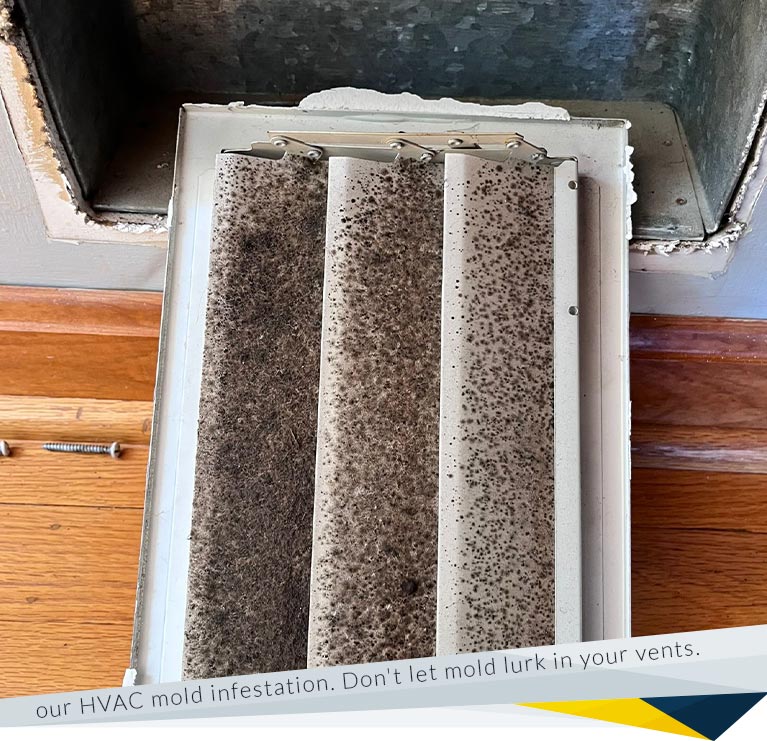
In Rockledge, the warm, humid climate makes residential homes particularly susceptible to mold growth, especially in air conditioning systems. Homeowners often overlook their HVAC units as a potential source of indoor mold contamination, assuming that visible leaks or moisture problems elsewhere are the only risks. However, AC units and ductwork can harbor mold spores that affect indoor air quality, homeowner health, and the overall efficiency of the system.
Regular AC mold cleaning is a proactive step that protects both your family and your home’s infrastructure. This comprehensive guide explores why AC mold cleaning is crucial in Rockledge homes, the risks associated with mold in HVAC systems, the step-by-step cleaning process, the benefits of professional intervention, and preventive measures to keep your home mold-free.
Why AC Units Are Vulnerable to Mold
Air conditioning systems in humid regions like Rockledge create the perfect environment for mold growth. Key contributing factors include:
- Condensation on Evaporator Coils: The cooling process generates moisture that can accumulate in pans and ductwork.
- High Humidity Levels: Florida’s year-round humidity provides ideal conditions for microbial growth inside HVAC components.
- Dust and Debris Accumulation: Dust, pollen, and other organic matter in ducts serve as a food source for mold spores.
- Limited Airflow: Stagnant air in poorly maintained ducts promotes mold colonization.
Even minor moisture accumulation can lead to mold growth within a few days if left unchecked.
Health and Home Risks of AC Mold
Mold growth in AC systems poses significant threats:
- Health Hazards: Mold spores circulated through ductwork can trigger allergic reactions, asthma attacks, respiratory irritation, and other health problems, particularly for children, seniors, and those with pre-existing conditions.
- Poor Indoor Air Quality: Mold spores, dust, and microbial byproducts degrade indoor air quality, creating an unhealthy environment.
- System Inefficiency: Mold accumulation on coils, filters, and blower components reduces airflow, forcing the system to work harder and increasing energy bills.
- Structural Damage: Condensation combined with mold growth can lead to water damage in ceilings, walls, and insulation.
- Unpleasant Odors: Musty or mildew-like smells indicate microbial contamination that can permeate the home.
Identifying and addressing mold in AC systems prevents these risks from escalating.
Warning Signs of Mold in Residential AC Systems
Homeowners should monitor for these indicators:
- Persistent musty odors when the system runs
- Visible mold around vents, registers, or the air handler
- Increased allergy or respiratory issues among household members
- Reduced cooling efficiency or unusual system noises
- Water stains around the AC unit or ductwork
Early detection allows homeowners to address contamination before it spreads throughout the home.
Step-by-Step AC Mold Cleaning Process
Professional AC mold cleaning involves a systematic approach to ensure thorough removal and prevent future growth:
Step 1: Initial Inspection
Technicians inspect the HVAC system, including:
- Air handler and evaporator coils
- Condensate drain pans and lines
- Ductwork and air vents
- Filters and blower components
The goal is to identify mold growth, moisture accumulation, and system vulnerabilities.
Step 2: Power Down and Containment
The system is powered off to prevent spores from circulating. Protective measures, such as containment barriers and personal protective equipment (PPE), are used to prevent exposure during cleaning.
Step 3: Filter Removal and Cleaning
Air filters are removed. Disposable filters are replaced, while reusable filters are cleaned with antimicrobial solutions to eliminate spores.
Step 4: Coil and Drain Pan Cleaning
Evaporator coils and condensate pans are cleaned with EPA-approved disinfectants and antimicrobial treatments. Proper drainage is ensured to prevent recurring moisture buildup.
Step 5: Ductwork Cleaning
Specialized brushes, vacuums, and compressed air tools remove dust, debris, and mold from ducts. HEPA-filtered vacuums prevent spores from re-entering the home.
Step 6: Antimicrobial Application
Technicians apply antimicrobial coatings to prevent mold regrowth on coils, drain pans, and duct surfaces.
Step 7: System Testing
After cleaning, the AC is restarted to confirm proper airflow, cooling efficiency, and the absence of odors. Moisture levels in key areas are verified.
Step 8: Post-Cleaning Verification
Air sampling or visual inspection ensures the mold has been effectively removed and that the system is safe for normal operation.
Benefits of Professional AC Mold Cleaning
Improved Indoor Air Quality
Removing mold and debris from the system prevents spores from circulating, improving air quality and reducing health risks.
Enhanced System Efficiency
Clean coils and ducts allow for optimal airflow, reducing strain on the system and lowering energy bills.
Reduced Health Risks
Proper mold removal eliminates allergens and irritants, protecting residents from respiratory issues.
Prevention of Structural Damage
Cleaning removes moisture and mold that can damage ductwork, walls, ceilings, and insulation.
Long-Term Cost Savings
Proactive AC cleaning minimizes the likelihood of major repairs, mold remediation, and medical costs associated with poor indoor air quality.
Cost Considerations
The cost of AC mold cleaning in Rockledge residential homes varies depending on system size and contamination severity:
- Basic duct cleaning: $400–$800
- Full system cleaning including coils and drain pans: $600–$1,200
- Antimicrobial treatment: $150–$400
- HEPA air scrubbing for severe contamination: $200–$600
While professional cleaning involves upfront costs, it prevents more expensive repairs and health-related expenses in the long run.
Preventive Measures for Homeowners
Preventing mold growth in AC systems is as important as cleaning. Homeowners can take the following steps:
- Routine HVAC Maintenance: Schedule annual inspections and cleaning, especially before humid seasons.
- Filter Replacement: Replace filters every 1–3 months, or more frequently during the rainy season.
- Ensure Proper Drainage: Keep condensate pans and drain lines clear to prevent water accumulation.
- Humidity Control: Use dehumidifiers to maintain indoor humidity below 60%.
- Seal Ductwork Leaks: Prevent moisture from entering ducts from outside.
- Install UV Lights: Ultraviolet lights can inhibit mold growth on coils and pans.
Real-World Example
A Rockledge homeowner noticed a musty odor emanating from their AC system during peak humidity months. A professional inspection revealed mold on the evaporator coil and inside the ductwork. The cleaning process included coil and duct disinfection, filter replacement, and antimicrobial application. After the service, the homeowner experienced improved indoor air quality, elimination of odors, and better cooling efficiency. Early intervention prevented more extensive damage to insulation and drywall, saving significant repair costs.
Choosing the Right AC Mold Cleaning Service
When selecting a provider, homeowners should consider:
- Proper licenses and certifications
- Experience with humid, coastal climates
- Advanced cleaning equipment (HEPA vacuums, antimicrobial solutions, UV lights)
- Post-cleaning verification and air quality testing
- Transparent pricing and detailed reports
Avoid companies that rely solely on visual inspection or DIY methods for serious mold infestations.
Conclusion
Mold in residential AC systems is a significant concern for Rockledge homeowners, especially during humid periods and rainy seasons. Unchecked growth can compromise indoor air quality, affect health, and damage both HVAC systems and the home’s structure.
Professional AC mold cleaning ensures that mold and debris are thoroughly removed, system components are treated, and proper moisture management is restored. Combined with preventive measures like regular maintenance, filter replacement, and humidity control, this approach keeps homes safe, comfortable, and energy-efficient.
Investing in AC mold cleaning is more than a maintenance task—it is an essential step to protect the health of your family, preserve the longevity of your HVAC system, and prevent costly repairs in the future.