
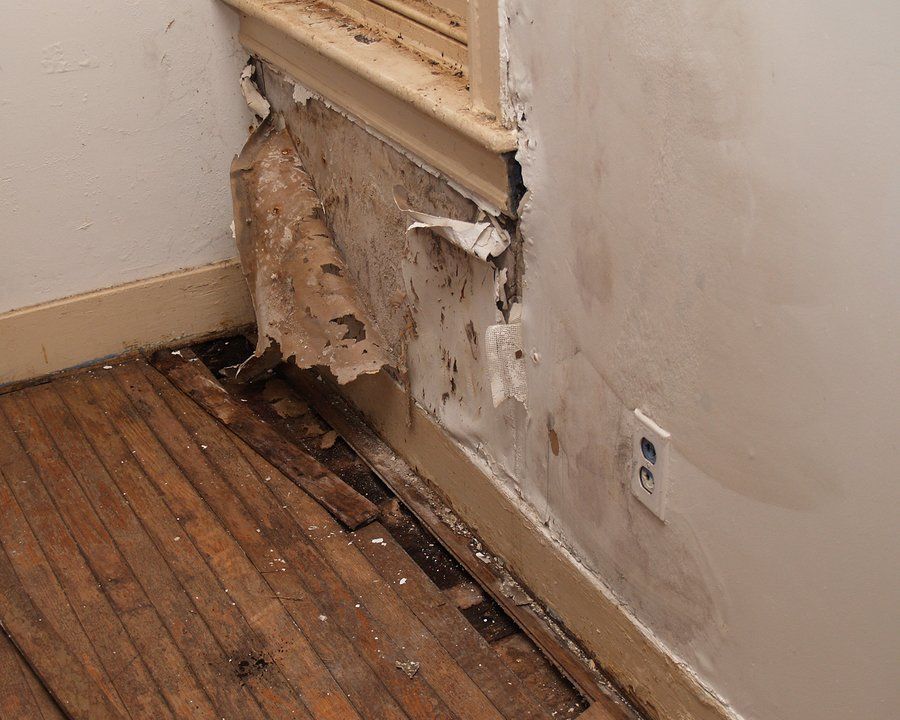
Flood Restoration Services in Titusville from AC Condensation: Costs, Causes, and Solutions
Homeowners in Titusville often associate flooding with storms, hurricanes, or heavy rainfall. However, many local properties experience indoor flooding from a much quieter and less obvious source: air conditioning condensation problems. Because AC systems run almost continuously in Florida’s climate, even small issues can lead to significant water damage over time.
Flood restoration professionals in Titusville regularly respond to homes where flooding did not come from outside but instead originated from inside mechanical systems. When condensation drainage fails or moisture accumulates improperly, water spreads across floors, into walls, and beneath flooring materials, sometimes going unnoticed until visible damage appears.
Understanding how AC-related flooding occurs—and what restoration involves—helps homeowners act quickly and avoid long-term property damage.
Understanding AC Condensation and Indoor Flooding
Air conditioning systems remove heat and humidity from indoor air. During this process, moisture condenses on cooling coils and must be safely drained away through condensate lines. When everything functions properly, this moisture flows harmlessly outside.
Problems begin when drainage systems clog, become disconnected, or overflow. Instead of exiting the home, water spills into:
- Utility closets
- Attic spaces
- Ceiling cavities
- Wall structures
- Flooring areas below the system
In Titusville homes, this water often spreads slowly, soaking drywall, insulation, carpeting, and subfloor materials before becoming visible.
Why AC Condensation Flooding Happens Frequently in Titusville
Coastal Florida homes place heavy demands on cooling systems. Titusville’s environment contributes to condensation-related flooding due to:
- High year-round humidity
- Long AC operating hours
- Seasonal heat waves
- Aging HVAC systems in older homes
- Improper installation or maintenance
- Attic heat causing excess condensation
- Poor drainage line maintenance
Homes near Merritt Island, Cocoa, and surrounding Brevard County communities face similar issues, especially when AC units run continuously during peak summer months.
Even newer systems can cause problems if drainage lines are not regularly cleaned or inspected.
Common Warning Signs Homeowners Notice
AC-related flooding often starts subtly. Many homeowners first notice:
- Water stains on ceilings or walls
- Damp carpet near AC closets
- Musty smells indoors
- Flooring discoloration
- Increased humidity indoors
- Warped baseboards
- AC system shutting off unexpectedly
- Visible water pooling near indoor units
Because the water source is slow and continuous, homeowners sometimes mistake symptoms for plumbing leaks or storm intrusion.
Hidden Damage from Condensation Leaks
One of the biggest concerns with AC condensation flooding is hidden moisture. Water frequently spreads behind walls and under flooring, where homeowners cannot see it.
Common hidden damage includes:
- Wet drywall and insulation
- Mold growth inside wall cavities
- Moisture trapped beneath carpets
- Damaged subfloors
- Ceiling collapse risks from soaked materials
- Persistent indoor odors
If moisture remains untreated, microbial growth can begin within 24–48 hours, especially in Titusville’s humid environment.
Why DIY Cleanup Often Falls Short
When homeowners discover moisture, they often attempt cleanup themselves using fans or household wet vacuums. While helpful for surface drying, these methods rarely remove moisture trapped beneath flooring or inside walls.
DIY drying commonly misses:
- Saturated carpet padding
- Moist insulation
- Damp wood framing
- Hidden wall moisture
- HVAC system contamination
Without professional moisture detection equipment, water pockets often remain and cause long-term problems.
Professional Flood Restoration Process Explained
Professional restoration teams follow a systematic approach to remove water and restore affected materials.
Step 1: Damage Inspection and Moisture Detection
Technicians use moisture meters and thermal imaging tools to locate all wet areas, even those not visible.
Step 2: Water Extraction
Industrial extraction equipment removes standing water from floors, carpets, and structural materials.
Step 3: Removal of Damaged Materials
Wet padding, drywall sections, or insulation may be removed if drying is not possible.
Step 4: Structural Drying
Air movers and dehumidifiers are positioned to dry walls, floors, and hidden cavities thoroughly.
Step 5: Cleaning and Sanitizing
Affected surfaces are cleaned and sanitized to remove contaminants and prevent odor or microbial growth.
Step 6: Repair and Restoration
Once drying is complete, repairs restore walls, flooring, and finishes to their original condition.
Proper restoration prevents future moisture problems.
Typical Costs of AC Condensation Flood Restoration
Restoration costs vary depending on damage extent, but general factors influencing price include:
- Size of affected area
- Duration of moisture exposure
- Flooring type involved
- Wall or ceiling damage
- Mold presence
- Required repairs
Small localized incidents may remain manageable, while larger untreated leaks affecting multiple rooms become significantly more expensive.
Insurance policies sometimes cover sudden water damage, though slow leaks may fall under maintenance issues. Early detection often reduces overall repair costs.
Mold and Indoor Air Quality Risks
Condensation leaks commonly lead to mold growth if moisture remains for extended periods. Mold inside walls or under flooring affects indoor air quality and can produce persistent odors.
Proper restoration includes moisture removal and inspection to prevent microbial growth from spreading.
HVAC Systems and Long-Term Moisture Control
After restoration, it is important to correct the underlying HVAC issue to prevent recurrence. Common corrections include:
- Clearing clogged condensate lines
- Installing secondary drain pans
- Adding overflow shutoff switches
- Improving attic ventilation
- Adjusting humidity control settings
- Scheduling regular HVAC maintenance
In Titusville homes, maintaining HVAC systems is essential for preventing repeat moisture problems.
Preventing AC-Related Flooding in Coastal Homes
Homeowners can reduce risk with simple preventative measures:
- Schedule annual AC maintenance
- Inspect condensate lines regularly
- Install overflow shutoff devices
- Keep utility closets clean and dry
- Monitor indoor humidity levels
- Act quickly if moisture is detected
- Replace aging HVAC components proactively
Prevention is far less costly than restoration.
Why Local Experience Matters
Homes throughout Titusville and surrounding Brevard County communities share similar environmental challenges. Coastal humidity, heavy AC usage, and Florida construction methods all influence how moisture problems develop.
Local restoration professionals understand how condensation issues impact area homes and can provide targeted solutions based on regional experience rather than generic approaches.
Palm Bay Mold Removal frequently assists homeowners throughout the region, applying practical knowledge gained from real-world restoration work in coastal environments.
A Calm, Practical Next Step for Homeowners
If you notice damp flooring, musty odors, or water near your AC system, scheduling an inspection early can prevent larger restoration projects later. Condensation leaks rarely fix themselves, but quick action often keeps damage manageable.
Flood restoration from AC condensation is not uncommon in Titusville homes, but with proper detection and professional restoration, properties can be returned to safe, comfortable living conditions without long-term complications.