
Flood Restoration Services in Satellite Beach from AC Condensation: How to Prevent Future Damage
When most people in Satellite Beach think about flooding, they think about hurricanes or storm surge. But in reality, some of the most common indoor flooding events come from something much quieter — AC condensation.
In Florida’s humid coastal climate, air conditioning systems run almost year-round. When condensate lines clog, drain pans crack, or ductwork sweats excessively, water can overflow into walls, ceilings, and flooring. What starts as a small AC issue can quickly turn into a full water damage situation.
Flood restoration services for AC-related water damage are critical in Satellite Beach homes. Just as important is preventing it from happening again.
Why AC Condensation Causes Water Damage in Satellite Beach
Satellite Beach experiences:
- High year-round humidity
- Long cooling seasons
- Salt air exposure
- Frequent afternoon storms
Air conditioners remove moisture from indoor air. That moisture collects in the system and drains away through a condensate line. In humid climates, AC systems can produce several gallons of water per day.
Problems occur when:
- Condensate drain lines clog with algae
- Drain pans rust or crack
- Float switches fail
- Ductwork sweats in hot attics
- Systems are improperly maintained
Homes in nearby Indian Harbour Beach, Cocoa Beach, and Melbourne Beach face similar humidity-driven AC challenges.
Because humidity remains elevated even at night, moisture problems can escalate quickly.
Early Signs of AC-Related Flooding
AC condensation leaks often begin subtly.
Watch for:
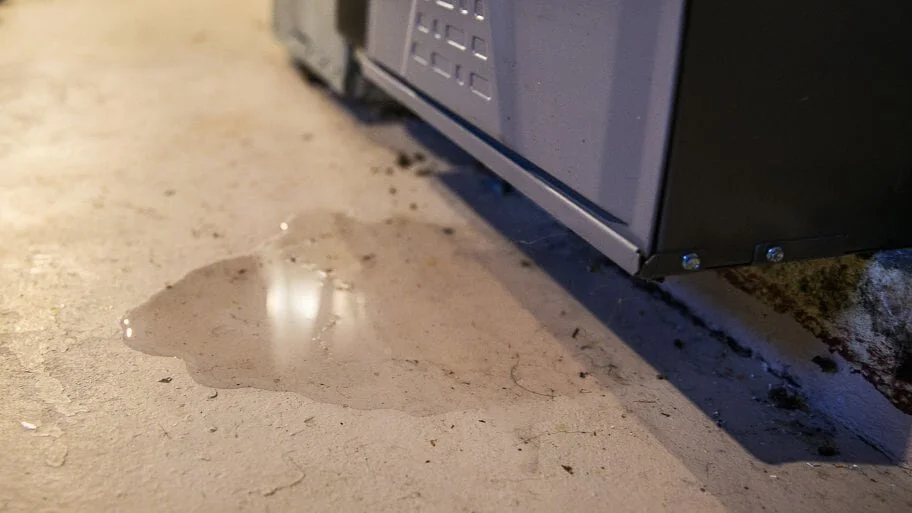
- Water pooling near the air handler
- Ceiling stains below attic units
- Warped baseboards near closets
- Musty odors when AC runs
- Damp carpet near interior walls
- Increased indoor humidity
Many homeowners first notice damage after drywall begins to discolor.
Acting early limits structural repair costs.
What Happens If AC Flooding Is Ignored
In Satellite Beach’s warm climate, water damage spreads quickly.
Within 24 to 48 hours:
- Drywall softens
- Insulation becomes saturated
- Mold growth may begin
- Wood framing absorbs moisture
- Flooring adhesives weaken
Because AC leaks are often continuous rather than sudden, damage may accumulate over weeks.
Professional flood restoration prevents long-term structural deterioration.
Step 1: Identify and Stop the Source
Before restoration begins, the AC issue must be corrected.
Common fixes include:
- Clearing clogged drain lines
- Replacing damaged drain pans
- Installing safety float switches
- Repairing leaking ducts
- Improving attic insulation
Without correcting the source, water damage will return.
Palm Bay Mold Removal frequently works with HVAC professionals in Satellite Beach to ensure condensation issues are resolved before drying begins.
Step 2: Immediate Water Extraction
If standing water is present, rapid extraction is critical.
Specialized equipment:
- Removes pooled water
- Reduces saturation in flooring
- Prevents further absorption
- Minimizes drywall damage
Quick action often saves materials that would otherwise require replacement.
Step 3: Moisture Detection and Mapping
AC leaks often affect hidden areas.
Moisture detection tools identify dampness in:
- Wall cavities
- Under tile or laminate flooring
- Attic insulation
- Subflooring
- Air handler closets
Thermal imaging helps locate moisture that is not visible.
In coastal homes, high humidity slows evaporation, making this step essential.
Step 4: Structural Drying and Dehumidification
Drying is the most important phase of flood restoration.
Commercial air movers and dehumidifiers:
- Lower indoor humidity
- Accelerate evaporation
- Protect structural framing
- Prevent mold development
Moisture levels are monitored daily to confirm safe drying.
In Satellite Beach’s humid climate, controlled drying prevents secondary damage.
Step 5: Mold Inspection and Prevention
Because AC leaks create warm, damp conditions, mold risk is high.
Inspection may include:
- Surface checks
- Air sampling if necessary
- Humidity monitoring
- HVAC inspection
If mold is detected, remediation may follow before reconstruction.
Preventing mold early avoids larger projects later.
Common Areas Affected by AC Flooding
In Satellite Beach homes, AC-related water damage typically impacts:
Air Handler Closets
Overflow often begins here.
Ceilings Below Attic Units
Water may drip through drywall.
Interior Walls
Slow leaks inside wall cavities may go unnoticed.
Ductwork
Sweating ducts in hot attics may dampen insulation.
Flooring Over Slabs
Moisture may spread outward along the floor.
Comprehensive inspection ensures no area is missed.
How to Prevent Future AC Condensation Damage
Preventative maintenance is the most effective solution.
Satellite Beach homeowners should:
- Flush condensate lines regularly
- Replace HVAC filters on schedule
- Inspect drain pans annually
- Install safety float switches
- Seal duct connections
- Improve attic ventilation
- Monitor indoor humidity
Homes in Rockledge, Palm Bay, and Viera benefit from similar maintenance routines.
Routine AC servicing reduces emergency situations.
The Role of Humidity Control
Indoor humidity should remain between 45 and 55 percent.
If humidity remains elevated despite AC use, additional measures may be needed:
- Whole-home dehumidifiers
- Duct sealing
- Insulation upgrades
- Airflow balancing
Managing humidity reduces condensation formation inside the system.
Why Local Coastal Experience Matters
Satellite Beach homes face environmental pressures unique to coastal Florida.
Local professionals understand:
- Salt air corrosion
- Seasonal humidity spikes
- Attic heat buildup
- Slab foundation moisture trends
- Storm-related power outages affecting HVAC systems
Palm Bay Mold Removal serves Satellite Beach and surrounding Brevard County communities with flood restoration and moisture control strategies tailored to Florida’s coastal climate.
Local knowledge improves both restoration accuracy and prevention planning.
A Practical Approach for Satellite Beach Homeowners
AC condensation flooding is common in humid coastal areas, but it is manageable.
The essential strategy includes:
- Correcting the AC source immediately
- Performing rapid water extraction
- Conducting thorough moisture detection
- Completing controlled structural drying
- Inspecting for mold
- Implementing preventative HVAC maintenance
In Satellite Beach’s humid environment, moisture control is ongoing. With proper flood restoration and routine AC maintenance, homeowners can prevent recurring water damage and protect the long-term integrity of their homes.