
Flood Restoration Services in Merritt Island During Rainy Season: Complete Guide for Homeowners
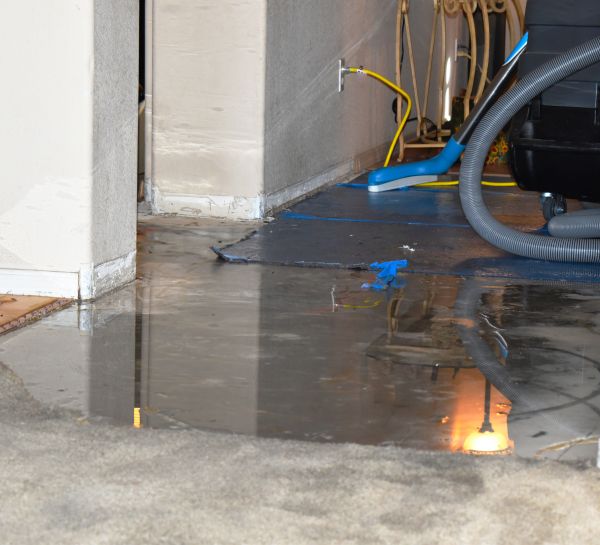
Living in Merritt Island offers beautiful waterfront views and proximity to the coast, but it also comes with seasonal challenges—especially during Florida’s rainy season. Heavy rainfall, tropical storms, and hurricanes can overwhelm drainage systems, saturate soil, and cause sudden flooding in residential neighborhoods. When water enters a home, immediate and professional flood restoration services are critical to prevent long-term structural damage, mold growth, and costly repairs.
This comprehensive guide explains how flood restoration works in Merritt Island, why rainy season increases risks, what homeowners should expect during the restoration process, typical costs, insurance considerations, and most importantly—how to prevent future damage.
Why the Rainy Season Increases Flood Risk
Florida’s rainy season typically runs from late spring through early fall. During this period, Merritt Island experiences:
- Frequent heavy thunderstorms
- High humidity levels
- Saturated ground conditions
- Storm surges from coastal systems
- Rising water tables
When the soil becomes fully saturated, additional rainfall has nowhere to drain. Water may back up into homes through:
- Foundation cracks
- Door thresholds
- Garage floors
- Roof leaks
- Clogged gutters
- Failing sump systems
- Plumbing backups
Even homes that have never flooded before can experience water intrusion during extended rain events.
Types of Flood Damage Common in Merritt Island Homes
1. Surface Water Intrusion
Heavy rainwater entering through doors, windows, or low foundation points.
2. Storm Surge Flooding
Coastal surge pushes saltwater inland, affecting waterfront and low-lying homes.
3. Roof Leak Flooding
Damaged shingles or flashing allow rainwater into attics and ceilings.
4. Sewer Backups
Overwhelmed municipal systems can force contaminated water into homes.
5. Groundwater Seepage
High water tables force moisture through slabs and foundation walls.
Each type requires slightly different restoration approaches.
Why Immediate Flood Restoration Is Critical
Water damage escalates quickly:
- Within minutes: Water spreads into porous materials.
- Within hours: Drywall swells and furniture absorbs moisture.
- Within 24–48 hours: Mold can begin forming.
- Within days: Structural wood may warp, and odors develop.
Delaying restoration increases repair costs and health risks.
The Flood Restoration Process
Professional flood restoration in Merritt Island typically follows a structured multi-step approach.
1. Emergency Response and Inspection
Technicians assess:
- Source of flooding
- Water category (clean, gray, or black water)
- Extent of structural damage
- Electrical safety risks
Standing water levels and moisture saturation are measured.
2. Water Extraction
High-powered pumps and vacuums remove standing water from:
- Floors
- Carpets
- Crawl spaces
- Garages
Rapid extraction prevents deeper structural absorption.
3. Removal of Damaged Materials
Water-damaged materials that cannot be salvaged are removed, including:
- Saturated drywall
- Insulation
- Carpet padding
- Warped flooring
- Baseboards
This step prevents mold development and structural weakening.
4. Structural Drying and Dehumidification
Industrial air movers and dehumidifiers run continuously to remove trapped moisture. Moisture meters monitor progress inside:
- Wall cavities
- Subfloors
- Ceiling voids
- Framing
Proper drying may take several days depending on severity.
5. Cleaning and Sanitization
Antimicrobial treatments reduce bacterial growth, especially if floodwater was contaminated. Surfaces are disinfected to eliminate odor-causing microbes.
6. Mold Prevention or Remediation
If mold is detected, containment and remediation procedures begin to prevent airborne spread.
7. Repairs and Reconstruction
Once drying is complete, reconstruction restores:
- Drywall
- Flooring
- Cabinets
- Trim
- Paint
The goal is returning the home to pre-loss condition.
Flood Damage Categories Explained
Understanding water categories helps determine cleanup protocols:
- Category 1 (Clean Water): Rainwater from roof leaks or supply lines
- Category 2 (Gray Water): Water with some contaminants (appliance overflow)
- Category 3 (Black Water): Sewage or storm surge containing bacteria
Black water requires advanced protective measures and disposal procedures.
Costs of Flood Restoration in Merritt Island
Costs vary based on severity, square footage, and contamination level:
- Minor Water Intrusion: $1,000–$3,000
- Moderate Flooding (multiple rooms): $3,000–$10,000
- Extensive Flooding with Reconstruction: $10,000–$40,000+
- Mold Remediation Add-On: $1,500–$6,000+
Saltwater damage may increase costs due to corrosion risks.
Insurance Considerations
Homeowners insurance typically covers sudden water damage from storms but may not cover:
- Gradual leaks
- Poor maintenance
- Groundwater flooding (requires separate flood insurance policy)
In Merritt Island, many homeowners carry flood insurance through the National Flood Insurance Program (NFIP). Documentation is critical:
- Photograph damage immediately
- Keep damaged materials if safe
- Record restoration invoices
- Request moisture reports
Working with licensed restoration professionals helps streamline claims.
Common Mistakes Homeowners Make
- Waiting too long to call professionals
- Using household fans instead of industrial drying equipment
- Reinstalling materials before full drying
- Ignoring crawl spaces and attics
- Attempting DIY mold cleanup
These mistakes often lead to secondary damage and recurring mold issues.
Long-Term Prevention Strategies
1. Improve Exterior Drainage
- Clean gutters regularly
- Extend downspouts away from foundation
- Install French drains if needed
2. Seal Foundation Cracks
Professional sealing prevents groundwater intrusion.
3. Upgrade Roofing and Flashing
Annual roof inspections reduce leak risks.
4. Install Sump Pumps
Homes in low-lying areas benefit from backup pumping systems.
5. Elevate Electrical Components
Outlets, HVAC systems, and appliances can be raised above flood-prone levels.
6. Maintain Landscaping Grading
Ensure soil slopes away from the home.
7. Install Flood Barriers
Temporary door barriers help protect during heavy rainfall warnings.
Mold Risks After Flooding
High humidity and residual moisture create ideal mold conditions. Warning signs include:
- Musty odors
- Dark patches on drywall
- Peeling paint
- Increased allergy symptoms
Professional moisture monitoring after restoration helps confirm safe dryness levels.
Why Local Expertise Matters in Merritt Island
Merritt Island homes often feature:
- Slab foundations
- Waterfront exposure
- Elevated humidity
- Aging drainage infrastructure
Local restoration professionals understand:
- Regional soil behavior
- Coastal storm patterns
- Saltwater corrosion risks
- Building code requirements
Their familiarity ensures faster, more accurate restoration.
Health Risks of Flood Damage
Floodwater exposure may lead to:
- Respiratory irritation
- Skin infections
- Bacterial contamination
- Mold-related allergic reactions
Prompt sanitation reduces these risks significantly.
Timeline of a Typical Restoration Project
- Day 1: Inspection and extraction
- Days 2–4: Drying and monitoring
- Days 5–7: Mold assessment and cleanup (if needed)
- Week 2+: Reconstruction depending on severity
Timelines vary based on water category and home size.
When to Call for Emergency Restoration
Contact professionals immediately if:
- Water depth exceeds 1 inch indoors
- Floodwater is contaminated
- Electrical systems are exposed
- You notice rapid swelling of drywall
- Odors develop within 24 hours
Fast action reduces long-term repair costs.
Protecting Property Value
Unresolved flood damage can:
- Weaken framing
- Cause persistent odors
- Reduce resale value
- Complicate future home inspections
Complete documentation of restoration protects future transactions.
Final Thoughts
Flooding during Merritt Island’s rainy season can happen quickly and unexpectedly. While heavy rainfall is unavoidable, the extent of damage often depends on how quickly homeowners respond.
Professional flood restoration services provide rapid water extraction, structural drying, sanitization, and repair—preventing mold growth and structural deterioration. Although costs vary depending on severity, immediate action typically saves thousands of dollars in future repairs.
By investing in preventive measures such as proper drainage, routine roof inspections, sump systems, and professional moisture monitoring, Merritt Island homeowners can significantly reduce flood risks during future rainy seasons.
Preparedness, quick response, and experienced local restoration professionals are the keys to protecting your home, health, and long-term property value.