
Flood Restoration Services in Melbourne Rental Properties: How to Prevent Future Damage
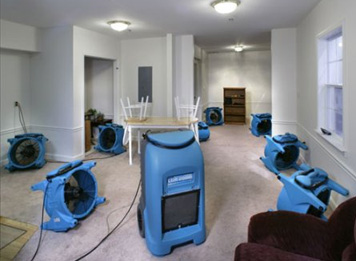
Flooding is a serious concern for rental property owners in Melbourne. Whether caused by storm surges, heavy rains, or plumbing failures, water intrusion can quickly lead to property damage, mold growth, and long-term structural problems. Rental homes face unique challenges: tenants may not report water issues promptly, and property managers must balance restoration efforts with minimal disruption to occupants. Understanding flood restoration services and preventive strategies is essential for safeguarding rental properties and reducing future damage.
This guide provides Melbourne homeowners and landlords with a comprehensive overview of flood restoration in rental properties, emphasizing proactive measures to prevent recurring problems.
Understanding Flood Damage in Rental Properties
Flood damage in rental homes often affects multiple areas simultaneously:
- Carpeted and hardwood floors: Water soaks into flooring and padding, causing warping, staining, and microbial growth.
- Drywall and insulation: Porous materials retain moisture, creating an ideal environment for mold.
- Basements and crawlspaces: Often poorly ventilated, these areas trap water and debris.
- HVAC systems and ductwork: Floodwater can infiltrate air systems, spreading contaminants throughout the home.
- Appliances and plumbing fixtures: Water can damage electrical components and plumbing systems.
Prompt restoration is critical. Even shallow flooding can lead to mold growth within 24–48 hours, making early intervention essential.
Why Rental Properties Are Particularly Vulnerable
Rental homes in Melbourne face specific risk factors that increase flood vulnerability:
- Tenant Turnover
- New tenants may be unaware of small leaks or minor water accumulation.
- Delays in reporting can allow water to penetrate hidden areas.
- Older Construction
- Aging homes may have outdated drainage, plumbing, or insulation systems.
- Crawlspaces, slab foundations, and attics can trap moisture after flooding.
- High Humidity
- Florida summers keep indoor humidity high, accelerating structural damage and microbial growth.
- Coastal Flooding Risks
- Homes near the coast are more susceptible to storm surges and heavy rainfall events.
Common Causes of Flood Damage
Flooding in rental properties usually results from a combination of environmental and structural factors:
- Heavy rainfall and storms: Seasonal rains can overwhelm drainage systems.
- Leaky roofs or siding: Compromised barriers allow water to enter the home.
- Faulty plumbing: Burst pipes, leaking fixtures, or AC condensate overflow contribute to interior flooding.
- Blocked drainage: Clogged gutters or poorly graded landscapes increase water accumulation around the foundation.
- Appliance failures: Water heaters, washing machines, or dishwashers can malfunction, causing internal flooding.
Understanding these causes helps landlords address root issues alongside surface restoration.
Signs That Flood Restoration Is Needed
Even after water is removed, lingering damage can compromise the property. Homeowners should look for:
- Musty or damp odors in carpets, walls, or storage areas
- Stains or discoloration on walls, ceilings, or floors
- Warped or buckling flooring
- Visible mold or mildew growth
- Persistent moisture in crawlspaces, attics, or basements
Prompt recognition and professional intervention minimize long-term damage.
Professional Flood Restoration Services
Certified flood restoration professionals follow a structured process:
1. Assessment and Inspection
- Evaluate the extent of water intrusion and structural damage
- Identify affected areas in walls, floors, and HVAC systems
2. Water Extraction
- Industrial pumps and vacuums remove standing water quickly
- Prevents prolonged exposure that can lead to mold growth
3. Drying and Dehumidification
- High-capacity fans and dehumidifiers dry the property thoroughly
- Thermal imaging and moisture meters ensure hidden damp areas are addressed
4. Cleaning and Sanitization
- Floors, walls, and structural components are cleaned and disinfected
- Contaminants from floodwater, including bacteria and debris, are removed
5. Mold Prevention
- Surfaces prone to moisture retention are treated with anti-microbial solutions
- Porous materials like drywall or carpet padding may be replaced if heavily contaminated
6. Restoration
- Repair or replace flooring, drywall, and insulation
- Ensure electrical systems and appliances affected by water are safe and operational
Preventing Future Flood Damage in Rental Properties
Effective prevention strategies reduce the likelihood of recurring damage:
- Address Structural Weaknesses
- Repair roof leaks, siding, and foundation cracks
- Install flood barriers or improve landscaping for better water drainage
- Maintain Plumbing and Appliances
- Inspect pipes, AC condensate lines, water heaters, and appliances regularly
- Fix leaks promptly to avoid hidden water accumulation
- Improve Ventilation and Dehumidification
- Use dehumidifiers in basements, crawlspaces, or other moisture-prone areas
- Ensure adequate airflow in attics and interior spaces
- Regular Inspections
- Schedule professional checks after storms, during tenant turnover, or seasonally
- Early detection prevents minor water events from escalating into full floods
- Tenant Education
- Encourage tenants to report leaks and water intrusion promptly
- Provide guidance on managing minor humidity or moisture issues
- Upgrade HVAC Systems
- Maintain AC units to prevent condensate overflow
- Clean ducts and vents to reduce moisture-related mold growth
Costs of Flood Restoration
Costs vary depending on the size of the property, severity of water intrusion, and services required:
- Small water intrusion (<500 sq. ft.): $500–$1,500
- Moderate flooding (500–1,500 sq. ft.): $1,500–$4,000
- Severe flooding with structural damage: $4,000+
Investing in professional restoration prevents escalating repair costs, protects tenant health, and ensures compliance with safety standards.
Why Local Expertise Matters
Melbourne’s coastal climate and housing stock create unique challenges:
- Seasonal storms and hurricanes increase flood risk
- Older homes and slab foundations may retain hidden moisture
- Local professionals understand Florida-specific mold growth and water damage patterns
Choosing a local restoration team ensures efficient, tailored solutions that address both visible damage and hidden issues.
When to Schedule Flood Restoration
Property owners should contact professionals immediately if:
- Flooding has occurred in the rental property
- Tenants report musty odors, dampness, or visible water damage
- HVAC systems or ductwork are affected by moisture
- Preparing the property for new tenants or upcoming storm season
Prompt action prevents mold growth, structural damage, and tenant complaints, preserving property value and safety.
Conclusion
Flood restoration in Melbourne rental properties is critical for protecting both property and tenants. High humidity, aging construction, and storm-prone conditions make rental homes particularly vulnerable to water damage and mold. Professional restoration services remove water, dry the property, address mold risks, and repair structural damage, ensuring a safe living environment.
Preventive strategies—including plumbing maintenance, proper ventilation, tenant education, and regular inspections—help homeowners avoid future flooding issues. By combining expert restoration and proactive prevention, Melbourne property owners can safeguard rental properties, reduce long-term costs, and provide healthy, resilient homes for tenants.