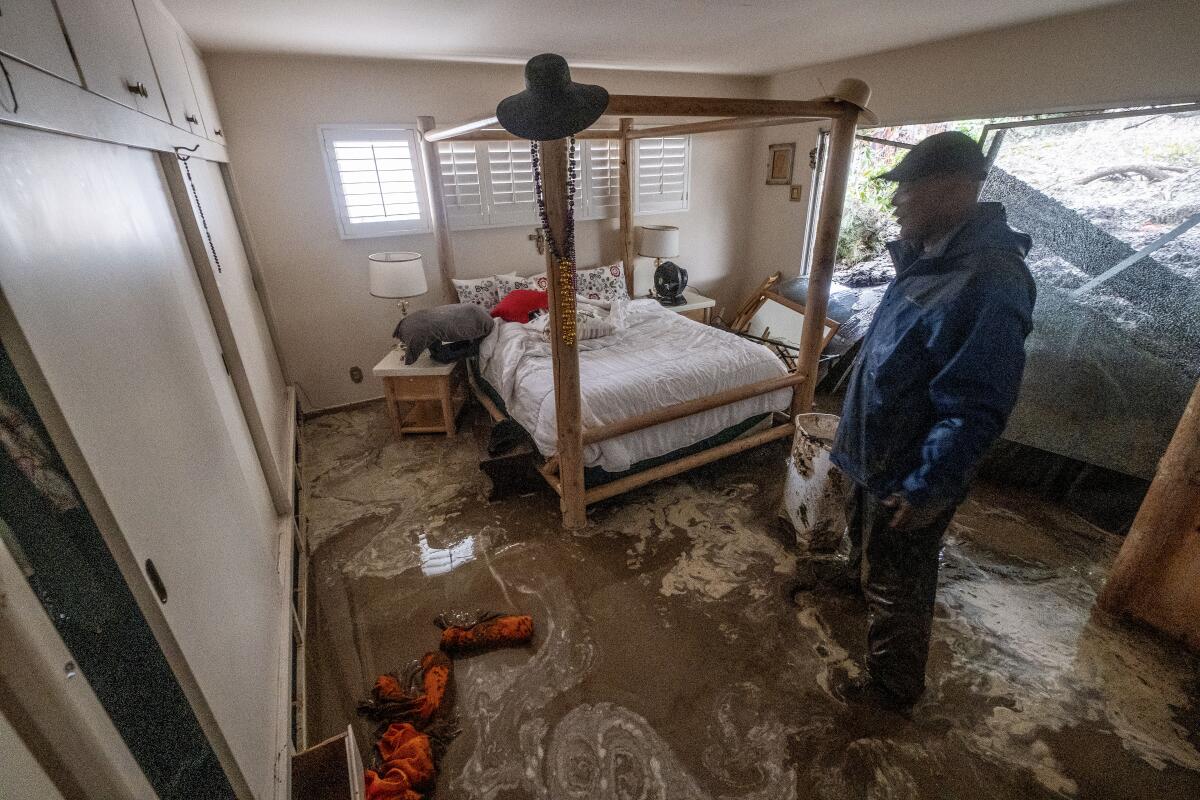
Flood Restoration in Titusville After Flooding: Step-by-Step Process Explained
Flooding can cause serious damage to residential homes in Titusville, especially during periods of heavy rain, tropical storms, or plumbing failures. Water can spread quickly through floors, walls, insulation, and personal belongings. Even after standing water is removed, hidden moisture may remain trapped in building materials, increasing the risk of structural damage and mold growth.
Flood restoration is a structured process designed to remove water, dry affected areas, and restore safe living conditions. Understanding each step helps homeowners know what to expect and why prompt action is so important.
Why Flood Damage Happens Frequently in Titusville
Titusville and surrounding Brevard County communities often experience heavy rainfall, high humidity, and storm-related flooding. These conditions increase the likelihood of water intrusion and make drying more difficult.
Common causes of flooding in residential homes include:
- Heavy storms and wind-driven rain
- Roof leaks during severe weather
- Plumbing failures or burst pipes
- Overflowing appliances
- Poor drainage around foundations
Homes in nearby areas such as Merritt Island, Cocoa, and Palm Bay often experience similar conditions, particularly during hurricane season.
Early Signs Flood Damage May Be Worse Than It Appears
After flooding, some damage is obvious, but other issues develop gradually. Homeowners should watch for signs that moisture remains inside the home.
Common warning signs include:
- Musty or damp odors
- Warped flooring or baseboards
- Peeling paint or bubbling drywall
- Water stains on ceilings or walls
- Increased indoor humidity
These symptoms often indicate hidden moisture that requires professional drying.
Step 1: Inspection and Damage Assessment
The first step in flood restoration is a thorough inspection. Technicians evaluate how far water has spread and identify materials that may need drying or replacement.
During this stage, technicians typically:
- Inspect flooring, walls, and ceilings
- Measure moisture levels in materials
- Identify the source of water intrusion
- Check attics, crawl spaces, and duct systems
Professionals familiar with local conditions, such as teams working with Palm Bay Mold Removal, often focus on identifying hidden moisture that can remain after flooding in humid climates.
Step 2: Water Extraction
Once the inspection is complete, the next step is removing standing water. High-capacity extraction equipment removes large volumes of water quickly, preventing further absorption into building materials.
Water extraction helps:
- Reduce drying time
- Limit structural damage
- Prevent mold growth
- Improve indoor air quality
Quick removal of standing water is one of the most important steps in flood restoration.
Step 3: Removing Saturated Materials
Some materials absorb water deeply and may need to be removed to prevent long-term damage. Carpet padding, insulation, and sections of drywall are often affected.
This step may involve:
- Removing wet carpeting or padding
- Cutting out damaged drywall sections
- Disposing of saturated insulation
Removing heavily affected materials helps speed up drying and reduces the risk of mold growth.
Step 4: Structural Drying and Dehumidification
After water extraction, drying equipment is placed to remove moisture from walls, floors, and air.
Drying typically includes:
- Air movers to increase evaporation
- Dehumidifiers to remove moisture from the air
- Monitoring humidity levels daily
Because Florida’s humidity slows natural drying, professional equipment is essential for thorough results.
Step 5: Moisture Monitoring and Re-Inspection
Drying continues until moisture levels return to safe levels. Technicians use moisture meters and thermal imaging to confirm that materials are fully dry.
Moisture monitoring helps ensure:
- Hidden moisture is eliminated
- Structural materials are stable
- Mold growth is prevented
This step is critical in humid coastal environments like Titusville.
Step 6: Cleaning and Sanitizing
Floodwater may contain contaminants, especially when flooding involves stormwater or plumbing backups. Cleaning and sanitizing help restore safe conditions inside the home.
This stage may include:
- Cleaning affected surfaces
- Applying antimicrobial treatments
- Removing odors caused by moisture
Proper cleaning improves indoor air quality and helps prevent lingering smells.
Step 7: Repairs and Restoration
Once drying and cleaning are complete, repairs may be necessary to restore the home.
Common restoration work includes:
- Replacing drywall or insulation
- Repairing flooring
- Repainting walls and ceilings
- Repairing roof or plumbing issues
Completing repairs ensures that the home returns to normal living conditions.
Hidden Areas That Often Require Attention
Flooding often affects areas that are not immediately visible. These spaces can hold moisture long after the rest of the home appears dry.
Common hidden areas include:
- Wall cavities
- Attics and insulation
- Subflooring beneath carpet or laminate
- HVAC ducts and air handlers
Thorough inspections help identify and address these areas before mold develops.
HVAC Systems and Flood Restoration
Air-conditioning systems play an important role in managing humidity, but they can also be affected by flooding. Moisture inside ducts or air handlers can spread humidity and contaminants throughout the home.
Common HVAC-related concerns include:
- Wet duct insulation
- Clogged condensate drains
- Reduced airflow
- Increased indoor humidity
Routine HVAC inspections help ensure the system supports proper drying.
Costs: What Influences Flood Restoration Pricing
Flood restoration costs vary depending on several factors. Understanding these factors helps homeowners plan and respond quickly.
Key cost factors include:
- Size of the affected area
- Depth of water saturation
- Type of materials affected
- Drying time required
- Repairs needed after drying
Addressing flooding quickly often reduces overall restoration costs significantly.
Preventing Future Flood Damage
While not all flooding can be prevented, homeowners can reduce risks by taking proactive steps.
Helpful prevention measures include:
- Inspect roofs and gutters regularly
- Maintain plumbing systems
- Ensure proper drainage around the home
- Check attic and crawl spaces for moisture
- Respond quickly to small leaks
Routine maintenance helps reduce the likelihood of severe water damage.
Why Local Experience Matters
Homes in Titusville face environmental conditions that differ from inland areas. High humidity, heavy rainfall, and prolonged AC use all affect how moisture behaves inside a structure.
Professionals familiar with Brevard County understand:
- Common storm-related damage patterns
- Typical moisture entry points
- Seasonal humidity trends
This local experience often leads to faster inspections and more effective restoration.
A Practical Next Step for Homeowners
Flooding can be stressful, but prompt action makes a major difference. Removing water quickly, drying materials thoroughly, and addressing the source of the problem help prevent long-term damage and mold growth.
For homeowners in Titusville, scheduling inspections after flooding and staying proactive with maintenance remain the most effective ways to protect both indoor comfort and long-term property value.