
Flood Restoration in Satellite Beach from AC Condensation: What Homeowners Should Know
In coastal communities like Satellite Beach, air conditioning systems run almost year-round. With high humidity and warm temperatures dominating much of the climate in Florida, AC units work overtime to keep indoor environments comfortable. However, what many homeowners don’t realize is that air conditioning systems naturally produce large amounts of condensation — and when something goes wrong, that moisture can cause significant water damage.
Flood restoration related to AC condensation may not involve storm surge or heavy rainfall, but the damage can be just as disruptive. Overflowing drain pans, clogged condensate lines, and malfunctioning air handlers can lead to soaked ceilings, damaged drywall, warped flooring, and mold growth.
This guide explains how AC condensation causes flooding, warning signs to watch for, the flood restoration process, and how Satellite Beach homeowners can prevent future damage.
How AC Condensation Causes Flooding
Air conditioning systems remove humidity from indoor air as part of the cooling process. As warm air passes over cold evaporator coils, moisture condenses into water droplets. That water collects in a drain pan and flows through a condensate drain line to the exterior of the home.
When this system works properly, the water is safely removed. But when it fails, water accumulates and spills into surrounding building materials.
Common Causes of AC Condensation Flooding
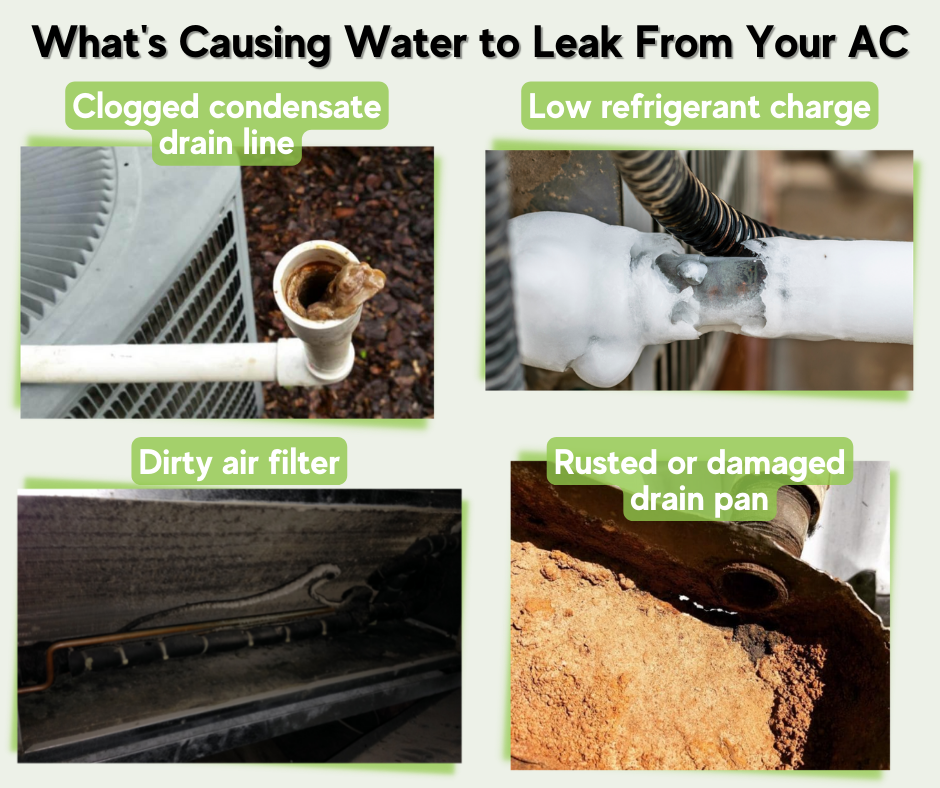
- Clogged Condensate Drain Lines
Dirt, algae, mold, and debris can block the drain line, causing water to back up into the drain pan. - Cracked or Rusted Drain Pans
Older AC systems often have metal drain pans that corrode over time. - Improper Installation
Incorrect slope in the drain line can prevent proper water flow. - Frozen Evaporator Coils
When coils freeze and later thaw, excess water can overwhelm the drainage system. - High Coastal Humidity
In Satellite Beach, the constant moisture in the air increases condensation production, raising the risk of overflow.
Warning Signs of AC-Related Water Damage
AC condensation leaks often start slowly and go unnoticed until damage becomes visible.
Ceiling Stains
Brown or yellow water spots beneath attic air handlers are common early indicators.
Musty Odors
Persistent damp smells near vents or air handlers may signal hidden moisture.
Dripping Sounds in Walls or Ceilings
Unusual sounds during AC operation may indicate overflow.
Soft or Warped Drywall
Water-saturated drywall weakens quickly and may sag.
Sudden Mold Growth
Mold can develop within 24–48 hours of moisture exposure.
Because Satellite Beach homes often rely on attic-mounted air handlers, ceiling damage is especially common.
Step-by-Step Flood Restoration Process After AC Condensation Damage
Restoring a home after AC-related flooding requires a systematic approach to prevent long-term structural damage and mold growth.
Step 1: Stop the Source of Water
The first priority is shutting down the AC system to stop further water production. HVAC professionals then:
- Clear clogged drain lines
- Repair or replace drain pans
- Inspect coils and air filters
- Confirm proper drainage slope
Without fixing the root cause, water damage will recur.
Step 2: Damage Assessment
Restoration professionals assess:
- Extent of water spread
- Affected building materials
- Moisture levels in walls and floors
- Signs of mold growth
Moisture meters and thermal imaging cameras help detect hidden saturation behind drywall and beneath flooring.
Step 3: Water Extraction
If standing water is present, technicians use industrial vacuums and pumps to remove it quickly.
Even when water seems minimal, saturated materials may hold significant hidden moisture.
Step 4: Removal of Damaged Materials
Certain materials cannot be salvaged once soaked.
Common removals include:
- Wet drywall
- Insulation
- Ceiling tiles
- Carpet padding
- Warped baseboards
Prompt removal prevents mold colonization.
Step 5: Structural Drying and Dehumidification
Commercial-grade drying equipment is installed to reduce moisture levels.
Equipment Used:
- High-velocity air movers
- Industrial dehumidifiers
- Wall cavity drying systems
- HEPA air scrubbers
Given Satellite Beach’s humid coastal environment, drying may take several days. Continuous monitoring ensures moisture returns to safe levels before reconstruction begins.
Step 6: Mold Prevention or Remediation
Because AC condensation water is considered “clean water” initially, it poses less contamination risk than sewage backups. However, once absorbed into building materials, microbial growth can occur quickly.
If mold is detected:
- Affected areas are contained
- Contaminated materials are removed
- Surfaces are cleaned with antimicrobial solutions
- Air filtration systems capture airborne spores
Early intervention often prevents the need for extensive mold remediation.
Step 7: Reconstruction and Repairs
After drying is complete, restoration begins.
Repairs may include:
- Replacing drywall
- Repainting ceilings
- Installing new insulation
- Repairing flooring
- Replacing cabinetry
The goal is to restore the home to pre-loss condition.
Why AC Condensation Damage Is Common in Satellite Beach
Living near the Atlantic coastline creates unique challenges for homeowners.
Year-Round AC Usage
Unlike northern climates, Satellite Beach residents rely on air conditioning nearly every month of the year.
Elevated Outdoor Humidity
High ambient moisture increases the volume of condensation produced daily.
Salt Air Corrosion
Coastal air accelerates corrosion in metal components, including drain pans and coils.
Attic Air Handler Placement
Many Florida homes place HVAC units in attics, increasing the likelihood of ceiling damage if leaks occur.
Health Risks of Untreated Water Damage
If left unaddressed, AC condensation flooding can lead to:
- Mold-related allergies
- Respiratory irritation
- Dust mite growth
- Structural weakening
- Electrical hazards
Children, elderly residents, and individuals with asthma are especially vulnerable to poor indoor air quality.
Insurance Considerations
Homeowners insurance policies may cover sudden and accidental water damage caused by AC system failures. However, damage resulting from lack of maintenance may not be covered.
Maintaining records of HVAC inspections and repairs helps support potential claims.
Preventing Future AC Condensation Flooding
Prevention is far less costly than restoration. Satellite Beach homeowners can take several proactive steps.
Schedule Annual HVAC Maintenance
Professional servicing ensures drain lines remain clear and components function properly.
Install a Float Switch
Float switches automatically shut off the AC unit if the drain pan fills beyond a safe level.
Flush Condensate Lines Regularly
Pouring diluted vinegar through the drain line helps prevent algae buildup.
Replace Air Filters Frequently
Dirty filters restrict airflow and increase the risk of frozen coils.
Monitor for Early Warning Signs
Address minor stains or odors immediately before they escalate.
When to Call a Professional
Contact flood restoration specialists if:
- Ceiling drywall is sagging
- Water spreads beyond a small area
- Mold appears within 48 hours
- Musty odors persist
- Flooring feels soft or warped
Attempting DIY drying without professional equipment may leave hidden moisture behind, leading to recurring damage.
Final Thoughts
Flood restoration from AC condensation in Satellite Beach homes is more common than many homeowners realize. The region’s humid climate, year-round cooling demands, and coastal conditions create ideal circumstances for condensation-related water damage.
While the initial water may seem minor, untreated moisture can quickly escalate into structural damage and mold growth. A proper restoration process — including source repair, moisture assessment, drying, and reconstruction — ensures long-term protection.
By understanding how AC systems produce condensation and taking preventive maintenance seriously, Satellite Beach homeowners can safeguard their properties and maintain healthy indoor living environments year-round.