
Flood Restoration in Melbourne from AC Condensation: A Local Homeowner Guide
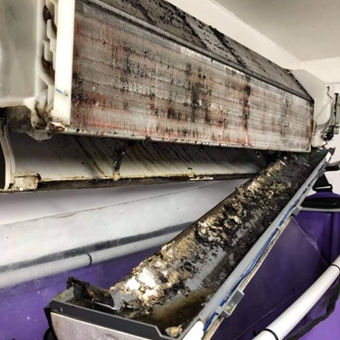
Homes in Melbourne are highly susceptible to moisture-related issues due to the region’s tropical climate. While many homeowners associate flooding with hurricanes or heavy rains, a surprisingly common source of water damage is AC condensation. Improperly maintained air conditioning units, clogged drain lines, or faulty condensate pans can lead to water pooling, damp building materials, and eventually mold growth. Understanding the process of flood restoration from AC condensation is essential to maintain a safe, healthy, and structurally sound home.
This guide provides Melbourne homeowners with a comprehensive look at flood restoration caused by AC condensation, including causes, warning signs, inspection methods, restoration steps, costs, and preventive strategies.
Why AC Condensation Causes Flooding
Air conditioning units are designed to remove humidity from indoor air by condensing water from the cooled air. This water typically drains harmlessly through condensate lines outside the home. However, issues can occur:
- Clogged Drain Lines: Dirt, mold, or algae can block water flow, causing overflow.
- Damaged Condensate Pans: Rusted or cracked pans leak water onto floors.
- Improper AC Installation: Poor slope or incorrect sizing can prevent adequate drainage.
- High Indoor Humidity: During Melbourne’s humid summers, excess moisture may overwhelm the AC system.
When left unchecked, condensation can saturate flooring, carpets, drywall, and insulation, creating conditions for mold growth and structural damage.
Common Signs Homeowners Should Watch For
Early detection is key to preventing widespread damage. Homeowners should look for:
- Water pooling near or under the AC unit
- Musty or damp odors in living spaces
- Warped or buckling flooring
- Staining on ceilings, walls, or baseboards near AC vents
- Mold or mildew growth in adjacent rooms
- Increased allergy symptoms among occupants
Prompt attention to these signs reduces repair costs and long-term damage.
The Flood Inspection Process
Professional flood restoration begins with a thorough inspection to identify the extent and source of water damage.
1. Visual Assessment
Technicians examine:
- AC unit and condensate pan
- Drain line connections and slope
- Adjacent flooring and walls
- Attics and crawl spaces if the AC is installed there
2. Moisture Detection
Using tools like moisture meters and infrared cameras, professionals locate hidden damp areas behind walls, under floors, or within insulation.
3. Air Quality Testing
Airborne mold spores may indicate hidden contamination. Air sampling determines whether remediation is necessary.
4. Documentation
Detailed reports outline affected areas, moisture levels, and recommended remediation steps. This documentation can support insurance claims and help track repair progress.
Flood Restoration Process
Once moisture is detected, restoration follows a structured procedure.
Step 1: Containment
Technicians isolate wet areas to prevent water spread and limit mold contamination. Plastic barriers and negative air pressure may be used.
Step 2: Water Extraction
Industrial pumps and wet vacuums remove pooled water from floors, carpets, and subfloors. Prompt extraction minimizes absorption into building materials.
Step 3: Material Removal
Porous materials heavily affected by water, such as:
- Carpet padding
- Insulation
- Drywall
- Baseboards
may need removal to prevent mold growth.
Step 4: Drying and Dehumidification
High-capacity dehumidifiers and air movers dry structural components. Continuous monitoring ensures moisture levels return to safe thresholds.
Step 5: Mold Prevention
If moisture has persisted for more than 24–48 hours, mold may begin to develop. Technicians apply antimicrobial treatments and may perform mold remediation as needed.
Step 6: Cleaning and Restoration
Non-porous surfaces are cleaned, sanitized, and disinfected. Carpets, furniture, and flooring may be cleaned or replaced. Damaged drywall or cabinetry is repaired or rebuilt.
Step 7: Post-Restoration Verification
Moisture meters and air sampling confirm the home is fully dried and safe. This step prevents recurrence and verifies restoration quality.
Costs of Flood Restoration from AC Condensation
Costs vary depending on the severity, size of the affected area, and materials involved:
- Small Area (Single Room): $500–$1,500
- Moderate Damage (Multiple Rooms): $1,500–$5,000
- Extensive Damage (Whole House or Significant Mold): $5,000–$15,000+
Insurance may cover damage caused by sudden AC leaks, but gradual neglect is typically not covered. Documentation of the source and remediation process is essential for claims.
Health Considerations
Water-damaged areas promote mold growth, which can impact indoor air quality and cause:
- Coughing and respiratory irritation
- Sinus congestion
- Eye or skin irritation
- Allergy flare-ups
Sensitive individuals, such as children or those with asthma, may experience more severe reactions. Timely restoration protects health and comfort.
Preventive Measures for AC Condensation Flooding
1. Regular AC Maintenance
Schedule professional AC inspections at least twice a year. Clean coils, clear drain lines, and check condensate pans.
2. Install Float Switches
These devices shut off the AC unit if water levels in the pan rise, preventing overflow.
3. Monitor Humidity Levels
Keep indoor humidity between 40–50%. Use dehumidifiers if necessary.
4. Inspect Attic and Crawl Spaces
Ensure AC lines and units in hidden areas are free from leaks and properly insulated.
5. Check for Water Stains
Regularly inspect ceilings, walls, and floors for early signs of moisture damage.
6. Upgrade Drain Lines
Consider using PVC pipes instead of flexible tubing to reduce clog risk.
Why Local Expertise Matters
Melbourne homes face unique conditions:
- Coastal humidity and seasonal storms
- Older homes with slab foundations
- High AC usage during summer months
- Common installation and drainage challenges
Local professionals understand these factors and can efficiently identify and remediate water damage while preventing future issues.
Post-Restoration Tips
- Schedule periodic AC inspections to prevent future leaks
- Monitor indoor humidity with hygrometers
- Inspect previously affected areas for mold growth periodically
- Maintain records of maintenance and restoration for insurance and resale purposes
Final Thoughts
Flooding from AC condensation may seem minor, but in Melbourne’s humid climate, even a small leak can lead to significant water damage, mold growth, and structural deterioration. Professional flood restoration services ensure thorough water removal, drying, mold prevention, and repairs, protecting both property and health.
Investing in preventive AC maintenance, monitoring, and prompt professional restoration reduces long-term costs and preserves your home’s value. Early detection, combined with local expertise, ensures that Melbourne homeowners can enjoy comfortable, safe, and healthy indoor environments year-round.