
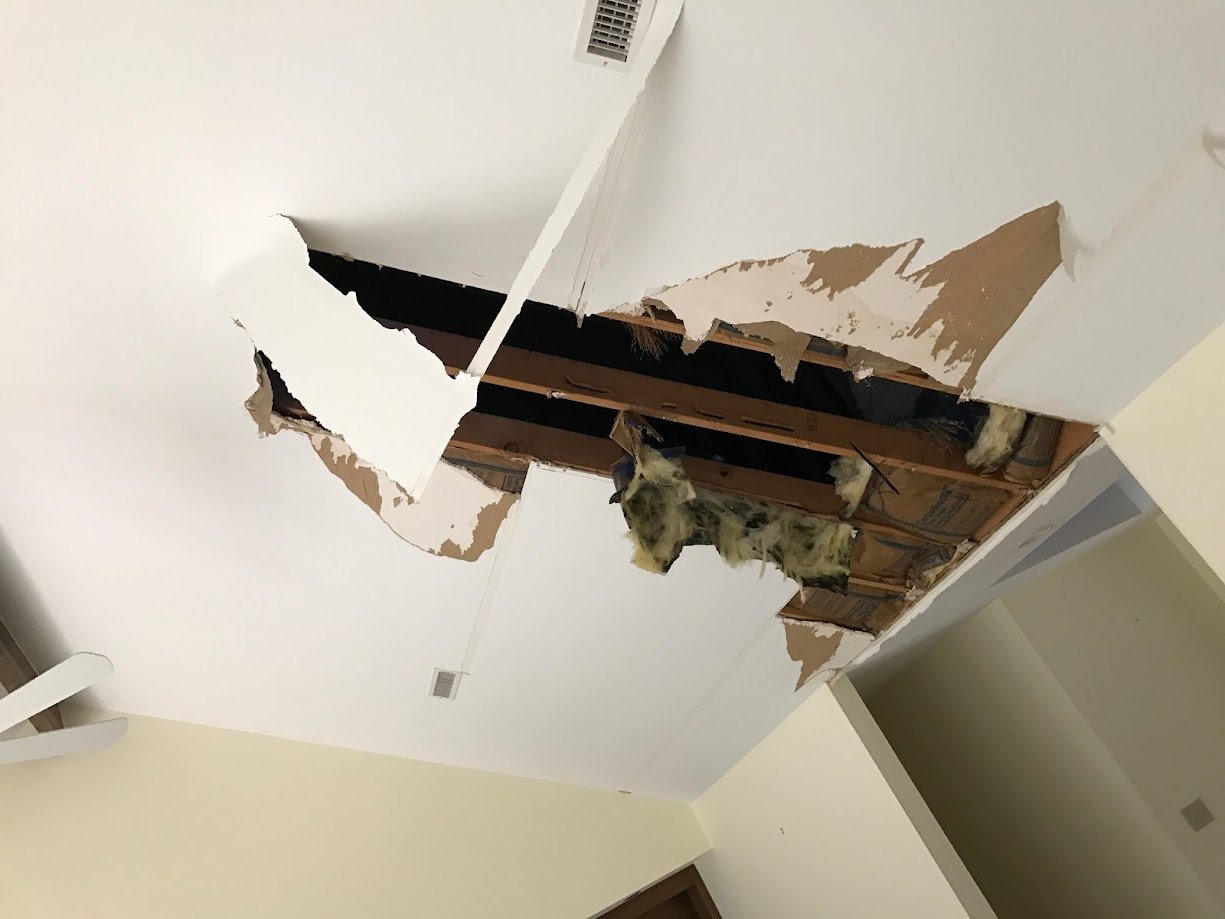
Flood Restoration in Cocoa Beach After Roof Leaks: Step-by-Step Process Explained
In Cocoa Beach, roof leaks are rarely minor for long. What starts as a small drip during a coastal storm can quickly turn into widespread interior water damage. Wind-driven rain pushes moisture under shingles. Flashing loosens from salt exposure. Gutters overflow during heavy downpours. Before you know it, attic insulation is soaked, drywall is sagging, and water is running down interior walls.
Because Cocoa Beach sits directly along the coast, humidity remains high even after the rain stops. That means water from a roof leak doesn’t dry quickly. If proper flood restoration steps aren’t followed, trapped moisture can lead to structural damage and mold growth.
Understanding the full restoration process helps homeowners respond quickly and prevent long-term problems.
Why Roof Leaks in Cocoa Beach Turn Into Flood Restoration Jobs
Unlike slow plumbing drips, roof leaks often involve large volumes of water in a short time. Coastal storms deliver intense rain combined with wind pressure. Water doesn’t just fall vertically — it travels sideways under roofing materials and into attic cavities.
Common conditions in Cocoa Beach that increase risk:
- Wind-driven rain
- Salt air corrosion weakening flashing
- Aging roofing systems
- High attic heat
- Prolonged humidity after storms
Homes in nearby Cape Canaveral and Satellite Beach face similar exposure. Once water enters attic insulation, it can spread across large areas before becoming visible inside living spaces.
By the time a ceiling stain appears, insulation above may already be saturated.
Early Warning Signs After a Roof Leak
Even if standing water isn’t obvious, watch for:
- Expanding brown ceiling stains
- Soft or bubbling drywall
- Musty odors after rainfall
- Peeling paint near rooflines
- Damp attic insulation
- Warped trim beneath affected ceilings
Water often follows framing members and appears far from the entry point.
Ignoring small warning signs allows damage to spread.
Step-by-Step Flood Restoration Process
Step 1: Confirm the Roof Is Repaired
Flood restoration must begin only after the roof issue is fully corrected.
This may involve:
- Replacing damaged shingles
- Repairing flashing
- Sealing roof penetrations
- Clearing clogged gutters
Drying a structure while water is still entering wastes time and money.
Palm Bay Mold Removal typically verifies roof stability before beginning restoration in Cocoa Beach homes.
Step 2: Safety Assessment
Roof leaks can create hidden hazards:
- Wet insulation near electrical wiring
- Water inside recessed lighting
- Ceiling drywall at risk of collapse
- Slippery flooring
Power may need to be shut off in affected areas before work begins.
Safety always comes first.
Step 3: Moisture Detection and Mapping
Water from roof leaks spreads unpredictably.
Professionals use moisture meters and thermal imaging to locate dampness in:
- Ceiling drywall
- Wall cavities
- Attic insulation
- Roof decking
- Subfloor areas
Mapping defines the true extent of water intrusion.
Surface dryness does not confirm internal dryness.
Accurate mapping prevents incomplete restoration.
Step 4: Water Extraction
If standing water is present on floors, commercial extraction equipment removes bulk water quickly.
Rapid extraction:
- Limits water migration
- Reduces structural saturation
- Shortens drying time
Even tile floors can allow water beneath baseboards and into walls.
Step 5: Removal of Saturated Materials
Not all materials can be saved once saturated.
Common removals include:
- Soaked attic insulation
- Sagging ceiling drywall
- Wet baseboards
- Damp carpet padding
Selective removal prevents trapped moisture.
Leaving wet insulation in place is one of the most common causes of recurring odor problems.
Step 6: Controlled Structural Drying
Drying requires more than household fans.
Professional drying includes:
- Commercial dehumidifiers
- High-velocity air movers
- Humidity monitoring
- Targeted cavity drying
In Cocoa Beach’s humid environment, indoor humidity must be controlled to below 60 percent during the drying process.
Moisture readings confirm progress daily.
Step 7: Cleaning and Stabilization
Roof leak water often carries debris from attic spaces.
Cleaning may involve:
- HEPA vacuuming
- Surface cleaning of framing
- Odor stabilization measures
This step ensures contaminants are not left behind after materials dry.
Step 8: Moisture Verification
Before rebuilding begins, technicians confirm:
- Drywall framing is dry
- Wall bottoms show no elevated moisture
- Roof decking is stable
- Indoor humidity is controlled
Skipping verification leads to repeat problems.
Reconstruction should never begin until materials reach acceptable moisture levels.
Step 9: Repairs and Reconstruction
Once drying is confirmed, repairs may include:
- Installing new insulation
- Replacing drywall
- Repainting ceilings
- Repairing trim
- Restoring flooring
Careful reconstruction prevents future moisture trapping.
Slab Foundations and Hidden Moisture
Many Cocoa Beach homes sit on slab foundations.
If water from a roof leak runs down interior walls, it can pool at the slab edge and wick upward.
Moisture detection confirms whether:
- Lower drywall sections remain damp
- Flooring adhesive is affected
- Baseboards absorbed water
Installing new materials over damp slabs can cause recurring issues.
Verification protects long-term stability.
Preventing Future Roof-Leak Flood Damage
Homeowners can reduce risk by:
- Inspecting roofs annually
- Checking attics after major storms
- Maintaining attic ventilation
- Monitoring indoor humidity
- Addressing minor stains immediately
- Flushing AC drain lines regularly
Routine inspection before hurricane season helps identify vulnerabilities early.
Preventative maintenance costs far less than full restoration.
Why Local Experience Matters
Cocoa Beach homes face constant coastal exposure.
Salt air accelerates roof wear. Humidity slows drying. Attic heat intensifies moisture retention.
Professionals familiar with Brevard County construction understand:
- Coastal roofing systems
- Attic ventilation patterns
- Slab foundations
- HVAC layouts common in Cocoa Beach
Palm Bay Mold Removal has worked extensively throughout Cocoa Beach and surrounding communities, addressing roof-leak flood restoration specific to Florida’s coastal climate.
Protecting Your Home After a Roof Leak
Flood restoration in Cocoa Beach after roof leaks requires more than surface cleanup. It involves structured inspection, moisture mapping, controlled drying, and verification before repairs begin.
Ignoring hidden moisture can lead to structural damage and recurring problems.
By combining prompt roof repair, professional restoration, humidity control, and preventative maintenance, homeowners can protect their properties effectively.
In Florida’s humid coastal environment, thorough drying and early intervention remain the most reliable ways to prevent long-term damage after roof leaks.