
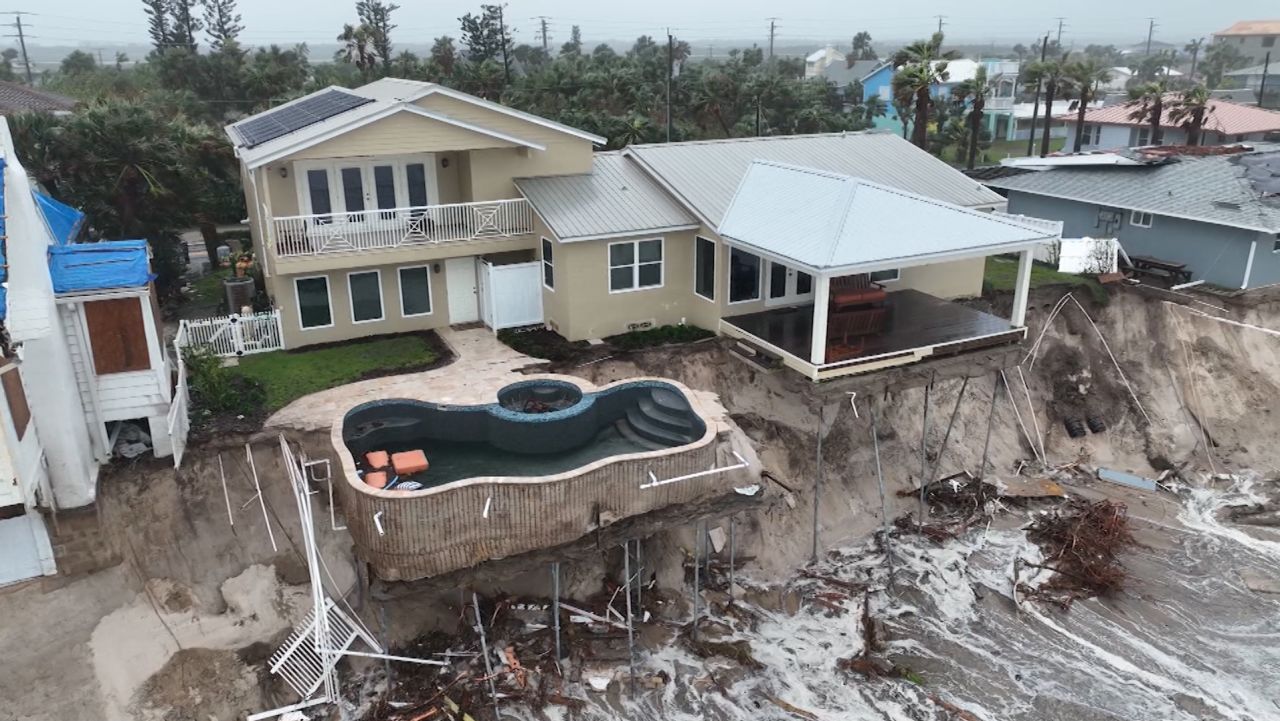
Flood Restoration in Cocoa Beach After Hurricanes: Complete Guide for Homeowners
Hurricane season in Cocoa Beach is not just about strong winds. Storm surge, wind-driven rain, and prolonged power outages often leave residential homes dealing with standing water and hidden moisture. In a coastal environment where humidity remains high long after the storm passes, flood restoration must be handled quickly and correctly.
Flood damage is more than wet floors. It affects drywall, insulation, structural framing, HVAC systems, and indoor air quality. This complete guide explains how flood restoration works in Cocoa Beach and what homeowners should expect after a hurricane.
Why Hurricanes Cause Severe Flooding in Cocoa Beach
Cocoa Beach sits directly along the Atlantic coast and near the Banana River Lagoon. That location increases vulnerability to:
- Storm surge
- Tidal flooding
- Heavy rainfall accumulation
- Wind-driven roof leaks
- Elevated groundwater pressure
Even homes that are not oceanfront may experience interior flooding due to overwhelmed drainage systems.
Nearby communities like Cape Canaveral, Satellite Beach, and Merritt Island face similar coastal flooding risks during major storms.
What Happens Inside a Home After Hurricane Flooding
When floodwater enters a home, it spreads rapidly across flooring and into porous materials. Within minutes, water begins soaking into:
- Drywall
- Carpet padding
- Baseboards
- Wood framing
- Insulation
- Cabinetry
Because Cocoa Beach summers remain warm and humid, moisture does not evaporate quickly. Without professional drying, mold growth can begin within 24 to 48 hours.
Saltwater exposure from storm surge adds additional concerns, including corrosion and accelerated material deterioration.
Step 1: Safety and Initial Assessment
Before restoration begins, the home must be evaluated for safety.
Inspection includes:
- Electrical hazards
- Structural instability
- Contaminated water classification
- HVAC system exposure
- Visible mold growth
Saltwater flooding often requires additional sanitation due to contaminants.
Palm Bay Mold Removal assists Cocoa Beach homeowners with structured post-hurricane flood inspections tailored to coastal storm conditions.
Step 2: Immediate Water Extraction
Rapid water removal is critical.
High-capacity pumps and extraction equipment:
- Remove standing water quickly
- Reduce absorption into materials
- Prevent further structural damage
- Shorten overall drying time
The sooner extraction begins, the more materials can potentially be saved.
Step 3: Moisture Detection and Mapping
Visible water is only part of the problem.
Moisture detection tools identify hidden dampness inside:
- Wall cavities
- Under tile flooring
- Subfloors
- Attic insulation
- Cabinet bases
Thermal imaging and moisture meters ensure no areas are overlooked.
In coastal homes, trapped moisture can linger longer due to elevated ambient humidity.
Step 4: Removal of Saturated Materials
In many hurricane situations, certain materials cannot be salvaged.
These may include:
- Drywall below flood line
- Wet insulation
- Carpet padding
- Warped baseboards
- Contaminated flooring
Removing heavily saturated materials prevents mold colonization and structural weakening.
Step 5: Structural Drying and Dehumidification
Drying is the most important part of flood restoration.
Commercial air movers and dehumidifiers:
- Lower indoor humidity
- Accelerate evaporation
- Stabilize moisture content in framing
- Protect structural integrity
Moisture levels are monitored daily until safe thresholds are reached.
Cocoa Beach’s humid coastal air requires extended drying compared to drier regions.
Step 6: Mold Inspection and Prevention
After hurricane flooding, mold risk is high.
Preventative inspection may include:
- Air sampling
- Surface checks
- Humidity measurement
- Attic inspection
If mold is detected, remediation may follow before reconstruction begins.
Acting early reduces the likelihood of extensive contamination.
Step 7: HVAC Inspection and Cleaning
Floodwater and humidity often affect HVAC systems.
Common post-storm issues include:
- Wet duct insulation
- Contaminated air handlers
- Clogged condensate lines
- Increased indoor humidity circulation
HVAC inspection ensures that the system does not distribute moisture or contaminants throughout the home.
Duct cleaning may be necessary if contamination is found.
Step 8: Repair and Reconstruction
Once drying and verification are complete, repairs begin.
Restoration may include:
- Installing new drywall
- Replacing insulation
- Repairing flooring
- Repainting
- Replacing trim
- Sealing exterior entry points
Rebuilding should only occur after moisture levels are confirmed safe to prevent hidden mold behind new materials.
Unique Challenges of Coastal Flood Restoration
Cocoa Beach homes face additional concerns:
Saltwater Exposure
Salt accelerates corrosion of fasteners, metal ductwork, and HVAC components.
Elevated Groundwater
Prolonged saturation increases slab moisture pressure.
High Ambient Humidity
Drying takes longer due to moisture in the surrounding air.
Repeated Storm Exposure
Homes may experience multiple events during hurricane season.
Local coastal experience is critical in addressing these challenges properly.
Preventing Future Flood Damage
While hurricanes cannot be prevented, risk can be reduced.
Cocoa Beach homeowners should:
- Inspect roofs annually
- Maintain gutters and drainage
- Elevate critical systems in flood-prone zones
- Install moisture barriers where appropriate
- Service HVAC systems regularly
- Monitor indoor humidity
Homes in Rockledge, Palm Bay, and Melbourne benefit from similar preventative maintenance, even if slightly inland.
Insurance Documentation and Records
Professional flood restoration often includes:
- Moisture readings
- Damage assessment reports
- Drying logs
- Photographic documentation
Accurate documentation supports insurance claims and ensures restoration standards are met.
Why Local Coastal Experience Matters
Cocoa Beach flood restoration differs from inland Florida communities.
Local professionals understand:
- Storm surge behavior
- Coastal drainage patterns
- Slab foundation moisture trends
- Salt air corrosion
- Seasonal hurricane intensity
Palm Bay Mold Removal serves Cocoa Beach and surrounding Brevard County communities with hurricane-specific flood restoration strategies designed for Florida’s coastal climate.
Local knowledge improves both accuracy and long-term prevention planning.
A Practical Approach After a Hurricane
Flood restoration after a hurricane requires structure, speed, and thorough inspection.
The essential steps are:
- Safety evaluation
- Immediate water extraction
- Comprehensive moisture detection
- Removal of unsalvageable materials
- Controlled drying and dehumidification
- Mold inspection
- HVAC evaluation
- Verified reconstruction
In Cocoa Beach’s humid coastal environment, moisture control is ongoing. By acting quickly and following a complete restoration process, homeowners can protect their property, maintain indoor air quality, and reduce long-term structural damage after hurricane flooding