Emergency Water Removal Services in Satellite Beach in Rental Properties: Professional Tips for Property Owners
Water damage in rental properties is never convenient, but in coastal communities like Satellite Beach, it can happen quickly and without warning. A broken supply line, storm-driven rain, roof leaks, or overflowing appliances can introduce large amounts of water into a property within minutes. For landlords and property managers, the most important step is rapid response. Emergency water removal is designed to extract water, begin drying immediately, and prevent secondary damage such as mold growth or structural deterioration.
Understanding how emergency water removal works—and how to manage the situation effectively—can help property owners protect their investment and restore rental units faster.
What Emergency Water Removal Involves
Emergency water removal focuses on stopping damage as quickly as possible. Unlike routine cleaning or maintenance, emergency response is about immediate action to prevent water from spreading further into floors, walls, and structural materials.
Typical emergency water removal services include:
- Pumping or extracting standing water
- Removing saturated materials when necessary
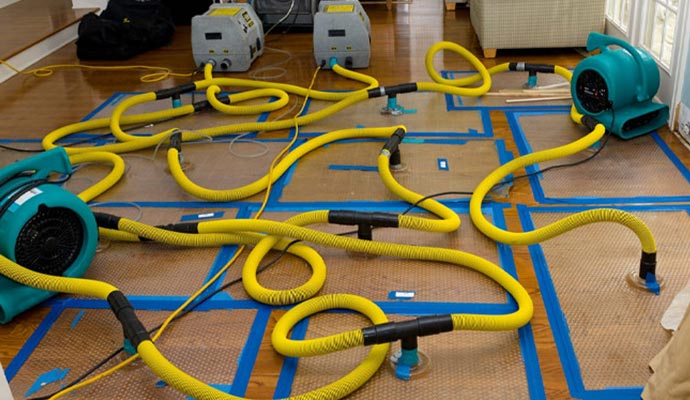
- Setting up drying equipment
- Monitoring moisture levels
- Preventing mold growth
The faster this process begins, the more likely it is that flooring, drywall, and structural materials can be saved.
Why Rental Properties in Satellite Beach Are Vulnerable
Satellite Beach rental properties face several risk factors that increase the likelihood of water damage.
Coastal storms and heavy rainfall
Storms can cause roof leaks, window intrusion, or localized flooding.
High humidity levels
Moisture remains in materials longer, slowing the drying process.
Tenant occupancy and appliance use
Dishwashers, washing machines, and water heaters are common sources of unexpected leaks.
Air-conditioning systems running year-round
Condensation and drain line issues sometimes contribute to water accumulation.
Because rental properties often have turnover between tenants, small leaks or early warning signs may go unnoticed until damage becomes more extensive.
Early Signs That Emergency Water Removal May Be Needed
In some cases, water damage is obvious—such as standing water or visible flooding. In other situations, signs may be less noticeable but still require immediate attention.
Warning signs include:
- Water stains spreading on ceilings or walls
- Carpets or flooring that feel damp
- Musty odors developing quickly
- Warping of baseboards or trim
- Peeling paint or bubbling drywall
When these signs appear, moisture may already be spreading behind surfaces.
Hidden Areas Where Water Often Travels
Water rarely stays in one place. In rental properties, it often moves through structural pathways and settles in hidden areas such as:
- Wall cavities
- Carpet padding and subfloors
- Ceiling insulation
- Attic spaces
- Around air ducts and vents
Because these areas are not easily visible, moisture detection is often necessary to determine the full extent of the damage.
Why Fast Response Matters
One of the most important professional tips for property owners is simple: act quickly. The longer water remains in a structure, the greater the risk of damage.
Delayed removal can lead to:
- Mold growth in as little as a few days
- Structural weakening of drywall and wood
- Odors that linger even after drying
- Increased repair costs
Rapid extraction and drying significantly reduce these risks.
Professional Water Removal Process Explained
Emergency water removal typically follows a structured process designed to remove water quickly and stabilize the property.
Step 1: Assessment and Safety Check
Technicians evaluate the affected areas and identify potential hazards such as electrical risks or structural concerns.
Step 2: Water Extraction
High-capacity extraction equipment removes standing water from floors, carpets, and surfaces.
Step 3: Moisture Detection
Moisture meters and thermal imaging tools locate hidden water behind walls or under flooring.
Step 4: Drying and Dehumidification
Air movers and dehumidifiers are placed strategically to reduce moisture levels.
Step 5: Monitoring and Verification
Moisture readings are taken regularly to ensure materials are drying properly.
This process helps restore conditions quickly and reduces the risk of long-term damage.
Repairs and Restoration After Water Removal
Once water is removed and the structure is dry, repairs may be necessary depending on the severity of the damage.
Common repairs include:
- Replacing damaged drywall
- Repairing or replacing flooring
- Restoring insulation
- Sealing leaks or drainage issues
Proper repairs ensure that moisture does not return and that the rental unit remains safe and comfortable for occupants.
HVAC Systems and Moisture Control
Air-conditioning systems can be affected by water damage, especially in humid climates. Moisture inside ducts or around air handlers may circulate damp air and slow drying.
During restoration, technicians often inspect:
- Duct insulation
- Drain pans and condensate lines
- Airflow and ventilation
- Filters and vents
Maintaining HVAC systems helps control humidity and prevents future moisture issues.
Professional Tips for Property Owners
Property owners and managers can reduce the impact of water damage by following several practical guidelines.
Inspect properties regularly
Routine inspections help identify small leaks before they become major problems.
Respond immediately to tenant reports
Prompt action prevents water from spreading.
Schedule periodic moisture inspections
Early detection reduces repair costs.
Maintain roofing and drainage systems
Preventive maintenance reduces storm-related damage.
Keep HVAC systems serviced
Proper airflow and drainage reduce condensation problems.
These steps help rental properties remain safe and well-maintained.
Why Local Experience Matters
Emergency water removal in coastal Florida requires an understanding of humidity, storm patterns, and construction methods common in Brevard County. Drying times and moisture behavior differ from those in drier regions.
Professionals familiar with Satellite Beach and nearby communities such as Merritt Island, Cocoa Beach, and Palm Bay understand:
- Where water tends to travel in coastal homes
- How attic heat affects drying
- Which materials are most vulnerable
- How to prevent recurring moisture problems
Palm Bay Mold Removal and other experienced local providers often focus on both water removal and moisture control, helping property owners protect rental units effectively.
A Practical Approach for Rental Property Owners
Water damage in rental properties can be stressful, but fast action and proper procedures make a significant difference. Emergency water removal limits damage, speeds recovery, and reduces long-term repair costs.
For property owners in Satellite Beach, the best strategy is preparation—routine inspections, prompt repairs, and quick response when leaks or flooding occur. With early action and proper drying, most water damage situations can be resolved efficiently and rental properties can be restored to safe, comfortable conditions.