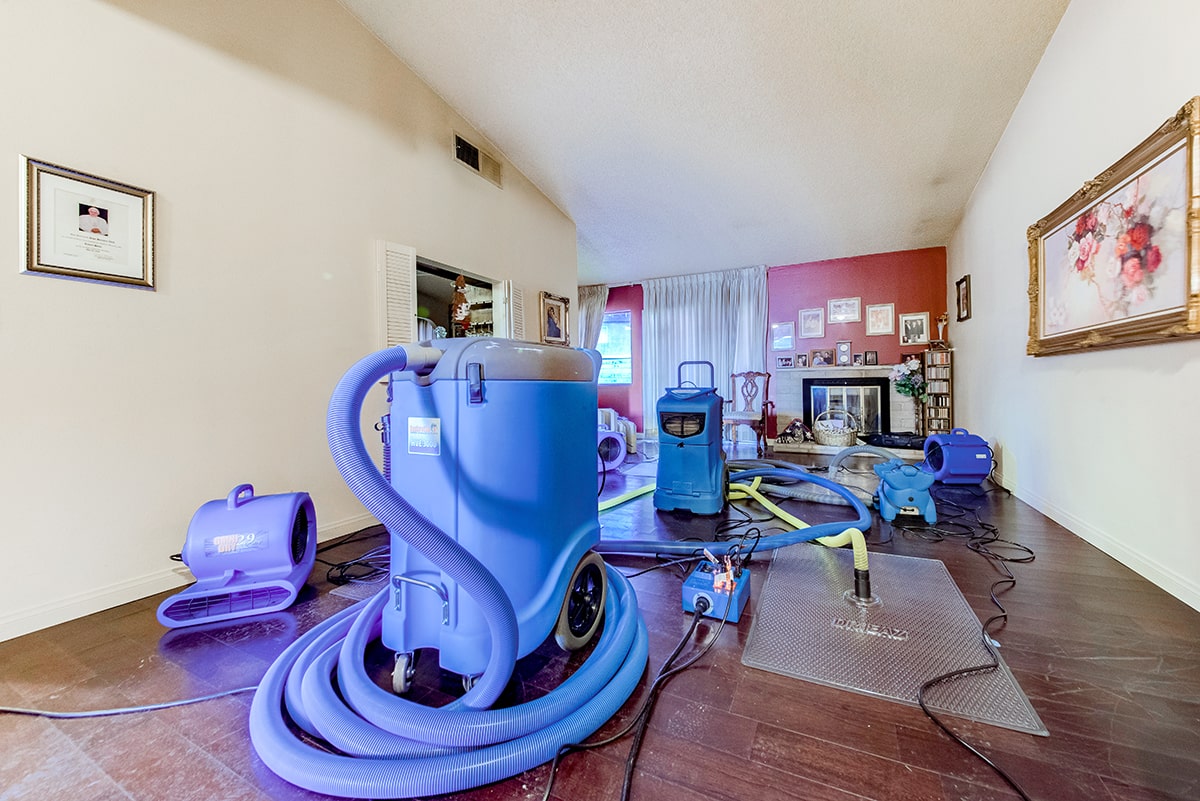
Emergency Water Removal Services in Satellite Beach After Plumbing Leaks: Warning Signs and Prevention
Plumbing leaks rarely announce themselves in a dramatic way. More often, they start quietly—a slow drip under a sink, a supply line failure behind a wall, or a pipe that begins leaking overnight. By the time water becomes visible, it may already have spread into flooring, insulation, and structural materials.
In a coastal environment like Satellite Beach, where humidity slows drying, fast water removal becomes especially important. Emergency water removal services are designed to extract water quickly, dry the structure properly, and prevent long-term damage such as mold growth or weakening of building materials.
Understanding the warning signs and prevention steps can help homeowners respond quickly and protect their property.
What Emergency Water Removal Means
Emergency water removal is the first and most critical step after a plumbing leak. The goal is to remove standing water and begin drying the affected areas as quickly as possible.
This process typically involves:
- Locating the source of the leak
- Extracting standing water
- Removing moisture from flooring and walls
- Drying structural materials
- Monitoring humidity levels
Prompt removal prevents water from soaking deeper into subfloors, insulation, and framing, which can lead to larger restoration work later.
Why Plumbing Leaks Cause Bigger Problems in Satellite Beach
Homes in Satellite Beach and nearby communities such as Cocoa Beach, Merritt Island, and Rockledge face conditions that make water damage progress faster:
- High humidity that slows evaporation
- Warm temperatures that encourage mold growth
- Coastal air that keeps materials damp longer
- Air-conditioned interiors that create condensation differences
Even a small plumbing leak can keep materials wet long enough to cause odor, staining, or mold if drying is delayed.
Older homes may also have aging plumbing connections or valves that increase the risk of leaks.
Common Warning Signs After a Plumbing Leak
Some signs of water damage appear immediately, while others develop over time.
Homeowners often notice:
- Damp or musty smells
- Warped flooring or baseboards
- Water stains on ceilings or walls
- Peeling paint or bubbling drywall
- Carpet that feels damp or cool
- Increased indoor humidity
These warning signs indicate moisture may still be present, even if the leak has already been repaired.
Hidden or Overlooked Areas Where Water Travels
Water from plumbing leaks doesn’t always stay in one place. It can spread beneath surfaces and into areas that are difficult to inspect.
Common hidden moisture locations include:
- Under cabinets and appliances
- Inside wall cavities
- Beneath flooring or carpet padding
- Inside insulation
- Along baseboards and trim
Moisture detection tools are often necessary to locate these hidden damp areas and confirm when materials are fully dry.
Why DIY Cleanup Often Isn’t Enough
It’s common for homeowners to mop up visible water and run fans, but surface drying alone rarely solves the problem completely.
DIY cleanup often misses:
- Moisture trapped in subfloors
- Damp insulation
- Humidity pockets inside walls
- Hidden moisture behind cabinetry
Household fans and portable dehumidifiers simply don’t move enough air to dry structural materials effectively in Florida’s climate.
Incomplete drying is one of the main reasons mold appears weeks after a plumbing leak.
Professional Moisture Inspection and Testing Explained
After emergency water removal, professional inspections help confirm the home is drying properly.
Technicians typically:
- Measure moisture levels in walls and floors
- Scan affected areas using moisture meters
- Inspect surrounding rooms for hidden moisture
- Monitor humidity levels during drying
This process helps ensure that repairs begin only after materials are fully dry.
In Satellite Beach and surrounding Brevard County communities, companies such as Palm Bay Mold Removal often perform moisture detection and drying as part of water damage restoration to prevent long-term issues.
Proper Mold Removal and Remediation if Needed
If water damage is not addressed quickly, mold growth can begin in damp materials.
A proper remediation process generally includes:
- Identifying and correcting the moisture source
- Removing damaged materials when necessary
- Cleaning and treating affected areas
- Drying the structure thoroughly
- Confirming moisture levels are safe
Addressing moisture and mold together prevents the problem from returning.
Water Damage Repair After Plumbing Leaks
Once water has been removed and drying is complete, repairs may be necessary depending on the extent of damage.
Common repairs include:
- Replacing drywall or insulation
- Repairing flooring or subfloors
- Repainting affected areas
- Sealing and restoring surfaces
Prompt drying often reduces the amount of material that needs replacement, which helps keep repairs manageable.
Air Ducts, AC Systems, and Moisture Risks
HVAC systems are often overlooked after plumbing leaks, especially when leaks occur near air handlers or ductwork.
Potential issues include:
- Moisture inside ducts
- Condensation buildup
- Reduced air quality
- Persistent humidity in the home
Inspecting HVAC components during restoration helps ensure moisture isn’t circulating through the system.
How to Prevent Plumbing Leak Damage
While not all leaks can be prevented, several steps help reduce the risk of major damage:
- Inspect plumbing connections periodically
- Replace aging supply lines and valves
- Repair small leaks immediately
- Monitor water pressure
- Keep an eye on water heaters and washing machine hoses
- Schedule periodic moisture inspections
Early detection is one of the most effective ways to prevent costly repairs.
Why Local Experience Matters
Water damage restoration in coastal Florida requires understanding how humidity, building materials, and weather conditions affect drying.
Homes in Satellite Beach, Palm Bay, and Viera often experience:
- Slower drying times
- Higher indoor humidity
- Moisture migration through building materials
- Greater mold risk after water events
Professionals who regularly work in these areas understand how to dry structures thoroughly and prevent recurring moisture problems.
A Practical Next Step for Homeowners
Plumbing leaks can happen unexpectedly, but the damage doesn’t have to become severe. Quick emergency water removal, proper drying, and moisture detection help prevent structural damage and mold growth.
If a leak occurs, acting quickly and ensuring the home is thoroughly dried are the best ways to protect both the structure and indoor air quality. With proper care and maintenance, homes in Satellite Beach can recover quickly and remain safe and comfortable for years to come.