Emergency Water Removal Services in Palm Bay in Rental Properties: Professional Tips for Property Owners
Water damage is one of the most challenging situations landlords and property managers face, especially in rental properties. In Palm Bay, heavy rain, plumbing failures, appliance leaks, and high humidity can quickly lead to water intrusion inside homes. When water is not removed promptly, it can spread into flooring, drywall, and insulation, increasing the risk of structural damage and mold growth.
Emergency water removal services play a critical role in protecting rental properties, restoring safe living conditions, and preventing long-term repair costs. Understanding how the process works and what property owners should do can help reduce damage and keep properties in good condition.
Why Water Damage Happens Frequently in Palm Bay Rental Properties
Palm Bay’s climate contributes to moisture problems in both residential and rental homes. Warm temperatures, frequent storms, and high humidity levels slow the drying process, allowing water to remain trapped in building materials.
Common causes of water damage in rental properties include:
- Plumbing leaks under sinks or behind walls
- Roof leaks after storms
- Overflowing appliances or water heaters
- Clogged AC condensate drains
- Flooding from heavy rainfall
Homes in nearby areas such as Melbourne, West Melbourne, and Rockledge often experience similar conditions, particularly during the rainy season.
Why Fast Water Removal Is So Important
Water damage becomes more severe the longer moisture remains in place. Materials such as drywall, carpeting, and wood absorb water quickly, and once saturated, they can begin to deteriorate.
Prompt emergency water removal helps:
- Prevent mold growth
- Reduce structural damage
- Eliminate odors
- Protect flooring and walls
- Shorten restoration time
In rental properties, quick response is especially important because delays can affect tenant comfort and property value.
Early Signs That Emergency Water Removal May Be Needed
Not all water damage is immediately obvious. Property owners and tenants should be aware of warning signs that indicate hidden moisture may be present.
Common signs include:
- Musty or damp odors
- Water stains on ceilings or walls
- Warped flooring or baseboards
- Peeling paint or bubbling drywall
- Increased humidity indoors
These signs often appear before standing water becomes visible.
Hidden Areas Where Water Damage Often Develops
Water intrusion frequently affects areas that are rarely inspected, especially in rental homes where maintenance may be periodic.
Common hidden problem areas include:
- Behind appliances
- Under carpeting or laminate flooring
- Inside wall cavities
- Attics and ceiling spaces
- Around HVAC systems and ducts
Moisture trapped in these areas can lead to mold growth if not dried properly.
Why DIY Water Removal Is Often Not Enough
Property owners sometimes attempt to handle water damage using household fans, towels, or rental equipment. While this may remove visible water, deeper moisture often remains trapped inside materials.
DIY drying often fails because:
- Moisture inside walls and subfloors remains
- Humidity levels stay elevated
- Mold begins forming in hidden areas
- Drying is uneven and incomplete
Professional equipment is designed to remove both surface and internal moisture effectively.
How Emergency Water Removal Services Work
Emergency water removal follows a structured process designed to restore safe moisture levels and prevent long-term damage.
Typical steps include:
- Inspecting the affected areas
- Extracting standing water
- Removing saturated materials when necessary
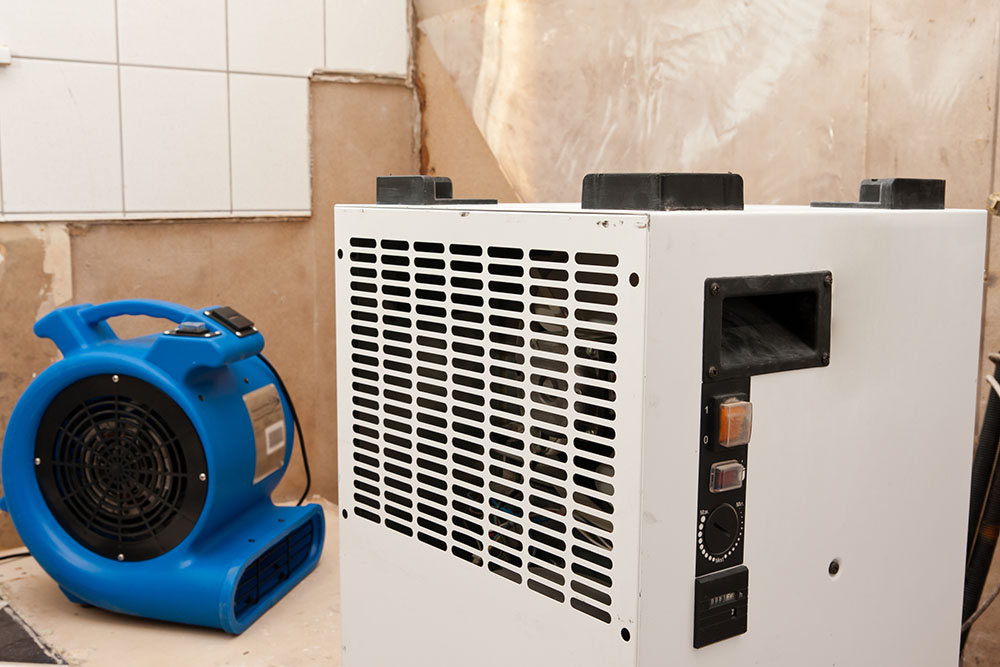
- Using air movers and dehumidifiers
- Monitoring moisture levels during drying
- Cleaning and treating affected surfaces
This process ensures that moisture is removed thoroughly and that hidden dampness does not remain.
Moisture Detection and Inspection
Before drying begins, technicians often use specialized tools to locate moisture that cannot be seen.
Common inspection methods include:
- Moisture meters to measure dampness in walls and flooring
- Thermal imaging to identify hidden moisture
- Humidity measurements
- Visual inspection of plumbing and roofing systems
Professionals familiar with local conditions, such as teams working with Palm Bay Mold Removal, often recognize patterns of moisture damage common in rental properties and can identify affected areas quickly.
Repairs and Restoration After Water Removal
Once drying is complete, repairs may be needed depending on how far the damage has spread.
Common restoration work may include:
- Replacing drywall or insulation
- Repairing flooring
- Painting and finishing surfaces
- Fixing plumbing or roof leaks
Addressing both the damage and the original cause is essential to prevent recurrence.
HVAC Systems and Moisture Problems in Rental Homes
Air-conditioning systems play a major role in managing humidity. However, if ducts or air handlers become wet, they can spread moisture throughout the home.
Common HVAC-related concerns include:
- Clogged condensate drains
- Wet duct insulation
- Reduced airflow
- Increased indoor humidity
Routine maintenance and inspections help prevent these problems and improve drying after water damage.
Costs: What Influences Emergency Water Removal Pricing
The cost of emergency water removal varies depending on several factors. Understanding these factors helps property owners plan and respond quickly.
Key cost factors include:
- Size of the affected area
- Amount of water present
- Type of materials affected
- Drying time required
- Repairs needed after drying
Addressing water damage early is usually far less expensive than repairing structural damage or mold contamination later.
Professional Tips for Property Owners
Property owners can reduce risks and protect rental homes by taking a proactive approach to maintenance and inspections.
Helpful tips include:
- Inspect plumbing and appliances regularly
- Check roofs and gutters after storms
- Replace aging hoses and fittings
- Maintain HVAC systems annually
- Respond quickly to tenant reports of leaks
Encouraging tenants to report issues immediately also helps prevent small problems from becoming major repairs.
Preventing Future Water Damage in Rental Properties
Preventive maintenance is one of the most effective ways to protect rental homes.
Steps that help reduce risk include:
- Scheduling periodic property inspections
- Monitoring humidity levels indoors
- Ensuring proper ventilation in bathrooms and kitchens
- Keeping drainage systems clear
- Repairing small leaks promptly
These measures help maintain dry conditions and reduce the likelihood of emergency situations.
Why Local Experience Matters
Rental properties in Palm Bay face unique environmental conditions, including coastal humidity, heavy rainfall, and prolonged AC use. Professionals familiar with Brevard County understand how these factors affect building materials and ventilation systems.
Local experience helps technicians:
- Identify common moisture entry points
- Recommend effective drying methods
- Recognize seasonal water damage patterns
This knowledge often leads to faster and more effective restoration.
A Practical Next Step for Property Owners
Water damage in rental properties can escalate quickly, but prompt action makes a significant difference. Paying attention to warning signs, scheduling inspections when needed, and addressing leaks immediately helps prevent larger problems.
Emergency water removal services restore safe moisture levels, protect structural materials, and help maintain comfortable living conditions for tenants. For property owners in Palm Bay, staying proactive with maintenance and inspections remains one of the most effective ways to protect long-term property value.