
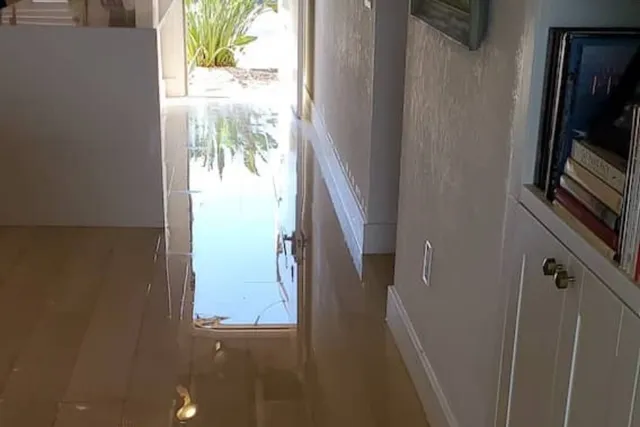
Emergency Water Removal in Satellite Beach During Humid Summers: What Homeowners Should Know
Summer in Satellite Beach doesn’t just bring heat. It brings humidity that lingers in the air day and night.
When a plumbing line bursts, a washing machine hose fails, or a storm pushes water indoors, that moisture doesn’t dry quickly. In a coastal community like Satellite Beach, humid summer air slows evaporation and increases the risk of secondary damage.
Emergency water removal isn’t simply about clearing visible water. It’s about controlling humidity, protecting structural materials, and preventing mold growth in one of Florida’s most moisture-heavy environments.
Here’s what homeowners should understand when water damage happens during humid summer months.
Why Humid Summers Make Water Damage Worse
Satellite Beach sits directly along the Atlantic coast. During summer:
- Outdoor humidity often stays above 70%
- Afternoon storms are frequent
- AC systems run constantly
- Indoor air struggles to stay dry
When water enters your home in these conditions, natural drying is nearly impossible.
Drywall, insulation, and flooring absorb moisture immediately. And because the air is already saturated, that moisture remains trapped longer than it would in drier climates.
Homes in nearby Cocoa Beach, Merritt Island, and Melbourne experience the same pattern every summer.
The Most Common Summer Water Emergencies
During humid months, we frequently see water removal needed due to:
- Plumbing supply line failures
- Water heater leaks
- AC condensate drain overflows
- Storm-driven rain intrusion
- Roof leaks during heavy storms
Even small leaks become larger issues in Satellite Beach summers because the air cannot pull moisture out of materials quickly.
What Happens If You Wait
Delaying emergency water removal during humid weather increases risk.
Within hours:
- Flooring absorbs moisture
- Baseboards begin swelling
- Humidity spikes indoors
Within 24–48 hours:
- Mold growth can begin
- Odors develop
- Drywall weakens
- Insulation becomes saturated
In Satellite Beach homes near A1A, we often inspect properties where homeowners wiped up visible water but didn’t realize moisture had spread behind walls.
In summer humidity, surface drying is not enough.
Step 1: Immediate Water Extraction
The first goal is removing standing water quickly.
Commercial-grade extraction equipment pulls water from:
- Tile and laminate flooring
- Carpet and padding
- Cabinet bases
- Low-lying areas
Rapid extraction limits how deeply water penetrates subfloors and wall cavities.
In open floor plans common throughout Satellite Beach, water can travel further than expected.
Step 2: Moisture Detection Beyond What You Can See
After visible water is gone, hidden moisture often remains.
Professional moisture detection checks:
- Drywall cavities
- Subflooring
- Baseboards
- Adjacent rooms
- Attic areas if roof intrusion occurred
Slab-on-grade homes common in Satellite Beach allow water to migrate beneath flooring.
Without detection equipment, damp materials may go unnoticed.
Step 3: Industrial Dehumidification
Humid summer air is the biggest obstacle to proper drying.
Emergency water removal includes:
- Commercial dehumidifiers
- High-velocity air movers
- Targeted drying for wall cavities
- Daily moisture monitoring
Lowering indoor humidity is critical. Without dehumidification, materials may stay damp even if they feel dry.
Proper drying prevents long-term structural damage.
AC Systems and Summer Moisture Complications
Air conditioning systems run heavily during Satellite Beach summers.
If drain lines clog or pans overflow, additional water can compound an existing emergency.
After a plumbing leak or storm intrusion, AC systems must be checked for:
- Drain line blockages
- Overflowing condensate pans
- Wet duct insulation
Moisture circulating through HVAC systems can spread humidity throughout the home.
Addressing both the water source and AC performance ensures full recovery.
Mold Risk in Coastal Humidity
Mold thrives in:
- Warm temperatures
- High humidity
- Damp building materials
Satellite Beach’s coastal air accelerates mold growth when moisture lingers.
Emergency water removal disrupts those conditions by drying materials quickly and reducing indoor humidity levels.
Many mold remediation cases in Satellite Beach and Cocoa Beach begin with untreated summer water damage.
Early action prevents escalation.
Protecting Flooring and Structural Materials
Summer water emergencies frequently affect:
- Engineered wood flooring
- Laminate planks
- Carpet padding
- Cabinet bases
- Drywall seams
Engineered wood is particularly vulnerable to swelling in humid conditions.
Prompt drying often saves materials that would otherwise require replacement.
Delays increase the likelihood of buckling and warping.
Preventing Future Summer Water Emergencies
While not all leaks are preventable, Satellite Beach homeowners can reduce risk by:
- Replacing aging plumbing supply lines
- Inspecting water heaters annually
- Cleaning AC drain lines twice per year
- Monitoring indoor humidity levels
- Installing leak detection devices
- Inspecting roofs before storm season
Routine maintenance is especially important before peak summer storms arrive.
Even small preventative steps make a difference in coastal environments.
Why Local Experience Matters in Satellite Beach
Emergency water removal in Satellite Beach requires understanding:
- Coastal humidity retention
- Salt air impact on plumbing components
- Slab-on-grade construction
- Storm-driven rain patterns
Homes near the ocean behave differently than inland properties in Palm Bay or Titusville.
Palm Bay Mold Removal regularly assists homeowners across Satellite Beach, Cocoa Beach, Melbourne, Merritt Island, Rockledge, and surrounding Brevard County communities with summer water emergencies.
Local familiarity allows faster identification of moisture patterns unique to coastal homes.
A Practical Next Step
If your Satellite Beach home experiences water intrusion during humid summer months, fast response protects more than just flooring.
Emergency water removal stabilizes humidity, prevents mold growth, and preserves structural integrity.
Waiting for natural drying in Florida’s summer climate rarely works.
Immediate extraction, professional moisture detection, and controlled dehumidification keep a small water issue from becoming a larger restoration project.