Emergency Water Removal in Satellite Beach After Storm Damage: Early Signs You Should Not Ignore
Storms are part of life in Satellite Beach. Heavy rain, strong winds, and sudden downpours can affect homes quickly, sometimes in ways that aren’t obvious right away. While major flooding gets the most attention, many homeowners experience smaller but still serious problems—water seeping through roofs, pooling near entryways, or soaking into flooring and walls.
Emergency water removal is one of the most important steps after storm damage. Acting quickly helps prevent structural problems, mold growth, and long-term moisture issues. The key is recognizing the early warning signs before damage spreads.
What Emergency Water Removal Means
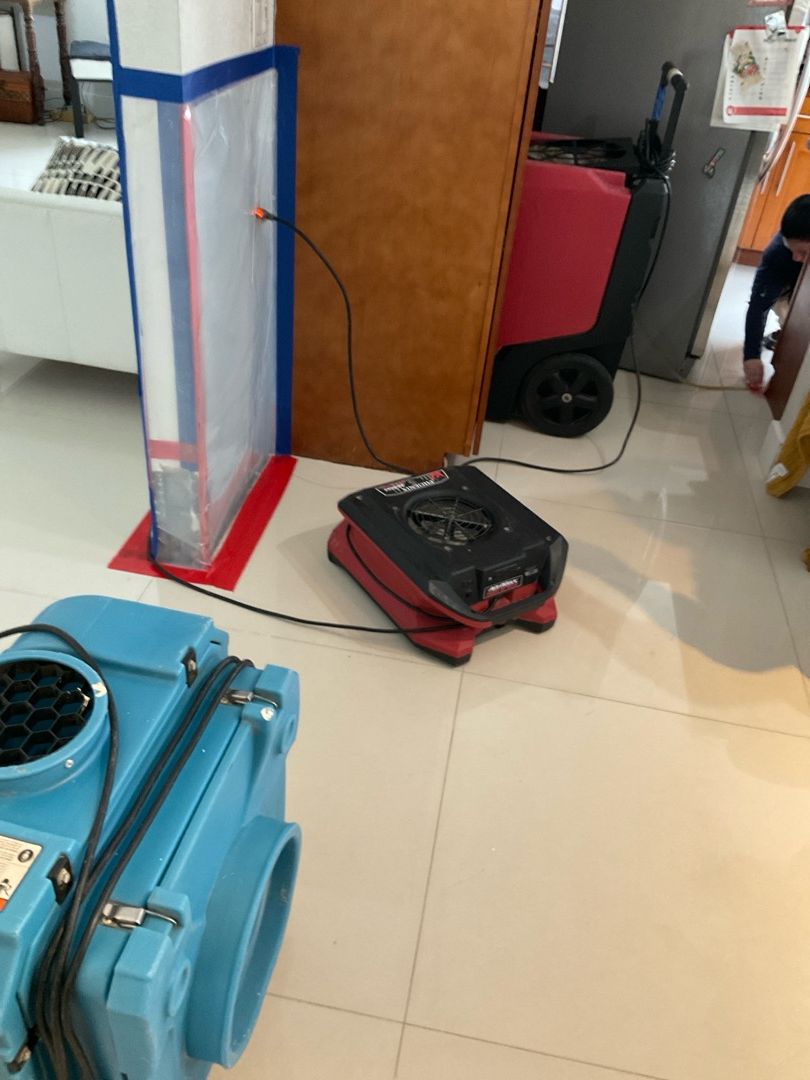
Emergency water removal focuses on removing standing water and starting the drying process as soon as possible after a storm.
This typically involves:
- Extracting visible water
- Identifying hidden moisture
- Drying floors, walls, and structural materials
- Monitoring humidity levels
- Preventing mold growth
In coastal environments like Satellite Beach, fast action is especially important because high humidity slows natural drying.
Why Storm Damage Often Leads to Hidden Moisture
Storms affect homes in several ways beyond obvious flooding.
Common causes of moisture after storms include:
- Wind-driven rain entering roof edges or vents
- Minor roof leaks that go unnoticed at first
- Water entering through window or door seals
- Overflowing gutters directing water toward walls
- Ground saturation increasing humidity levels
Homes in nearby Cocoa Beach, Merritt Island, and Melbourne experience many of the same conditions, particularly during heavy summer storms or tropical systems.
Even when water disappears from view, moisture may remain trapped in materials.
Early Signs You Should Not Ignore
Some of the most important warning signs appear within hours or days after a storm.
Homeowners should watch for:
- Musty or damp odors
- Water stains on ceilings or walls
- Warped baseboards or flooring
- Damp carpet or rugs
- Peeling paint or bubbling drywall
- Persistent indoor humidity
These early signs often indicate moisture behind surfaces, not just on them.
Addressing these signs early helps prevent more extensive restoration later.
Hidden Areas Where Water Often Travels
One of the biggest challenges with storm-related water damage is that moisture spreads.
Water frequently moves into:
- Wall cavities
- Attic insulation
- Subfloors and carpet padding
- Behind cabinets and baseboards
- HVAC ducts and air handlers
Because these areas are difficult to inspect visually, moisture detection equipment is often used to locate hidden dampness.
Without proper detection, repairs may cover up moisture instead of removing it.
Why Immediate Water Removal Is Important
Water that remains in building materials can cause problems quickly.
Within a short time, moisture can lead to:
- Mold growth
- Odor development
- Warping or swelling of wood
- Deterioration of drywall
- Reduced indoor air quality
Emergency water removal helps prevent these issues by stopping moisture from spreading deeper into the structure.
Why DIY Cleanup Often Falls Short
Many homeowners begin cleanup themselves, which can help with surface water. However, household equipment is usually not strong enough to dry structural materials thoroughly.
DIY cleanup often misses:
- Moisture trapped under flooring
- Wet insulation in attics
- Damp drywall interiors
- High humidity in enclosed spaces
Fans and small dehumidifiers may dry surfaces but leave internal moisture behind.
Professional drying equipment and moisture monitoring help ensure materials reach safe moisture levels.
Professional Water Removal and Drying Explained
A professional emergency water removal process usually follows several steps.
Technicians typically:
- Inspect the property to locate affected areas
- Extract standing water using specialized equipment
- Set up air movers and dehumidifiers
- Monitor moisture levels regularly
- Confirm drying is complete before repairs begin
In Satellite Beach and surrounding Brevard County communities, companies such as Palm Bay Mold Removal often combine water removal with moisture detection and mold inspection to ensure homes are fully dry and protected.
This coordinated approach helps prevent recurring problems.
Mold Risks After Storm Damage
Mold growth is one of the most common concerns after water damage. Warm temperatures and high humidity create conditions where mold can develop quickly if moisture remains.
Areas most at risk include:
- Drywall and insulation
- Carpet and padding
- Wood framing
- Duct insulation
Proper drying and early inspection greatly reduce the likelihood of mold growth.
If mold is present, remediation may be necessary to remove affected materials and restore the area safely.
HVAC Systems and Storm-Related Moisture
HVAC systems are often overlooked after storms but can play a role in ongoing moisture problems.
Potential issues include:
- Condensation forming inside ducts
- Moisture entering air handlers
- Damp insulation near ductwork
- Reduced airflow due to humidity buildup
Inspecting HVAC components after significant water events helps maintain indoor air quality and prevent odor or mold problems.
How to Prevent Future Storm Damage
While storms cannot be avoided, homeowners can reduce future damage by taking preventive steps.
Helpful measures include:
- Inspecting roofs and flashing regularly
- Cleaning gutters and downspouts
- Sealing windows and exterior gaps
- Maintaining attic ventilation
- Servicing HVAC systems annually
- Scheduling periodic moisture inspections
These steps help reduce water intrusion and make restoration easier if storms occur again.
Why Local Experience Matters
Water damage restoration in coastal Florida requires an understanding of humidity, building materials, and storm patterns.
Homes in Satellite Beach, Rockledge, and Viera often experience:
- Slower drying due to humidity
- Wind-driven rain entering small openings
- Moisture accumulation in attic spaces
- Condensation issues in duct systems
Professionals familiar with these local conditions are better equipped to locate hidden moisture and ensure thorough drying.
A Practical Next Step for Homeowners
Storm damage doesn’t always appear dramatic at first. Small leaks and hidden moisture can quietly lead to larger problems if ignored. Recognizing early warning signs and removing water quickly are the best ways to protect a home after a storm.
Prompt inspection, proper drying, and preventive maintenance help ensure homes in Satellite Beach remain safe, comfortable, and structurally sound—even after severe weather.