
Early Signs You Should Not Ignore: Water Leak Detection in Satellite Beach After Roof Leaks
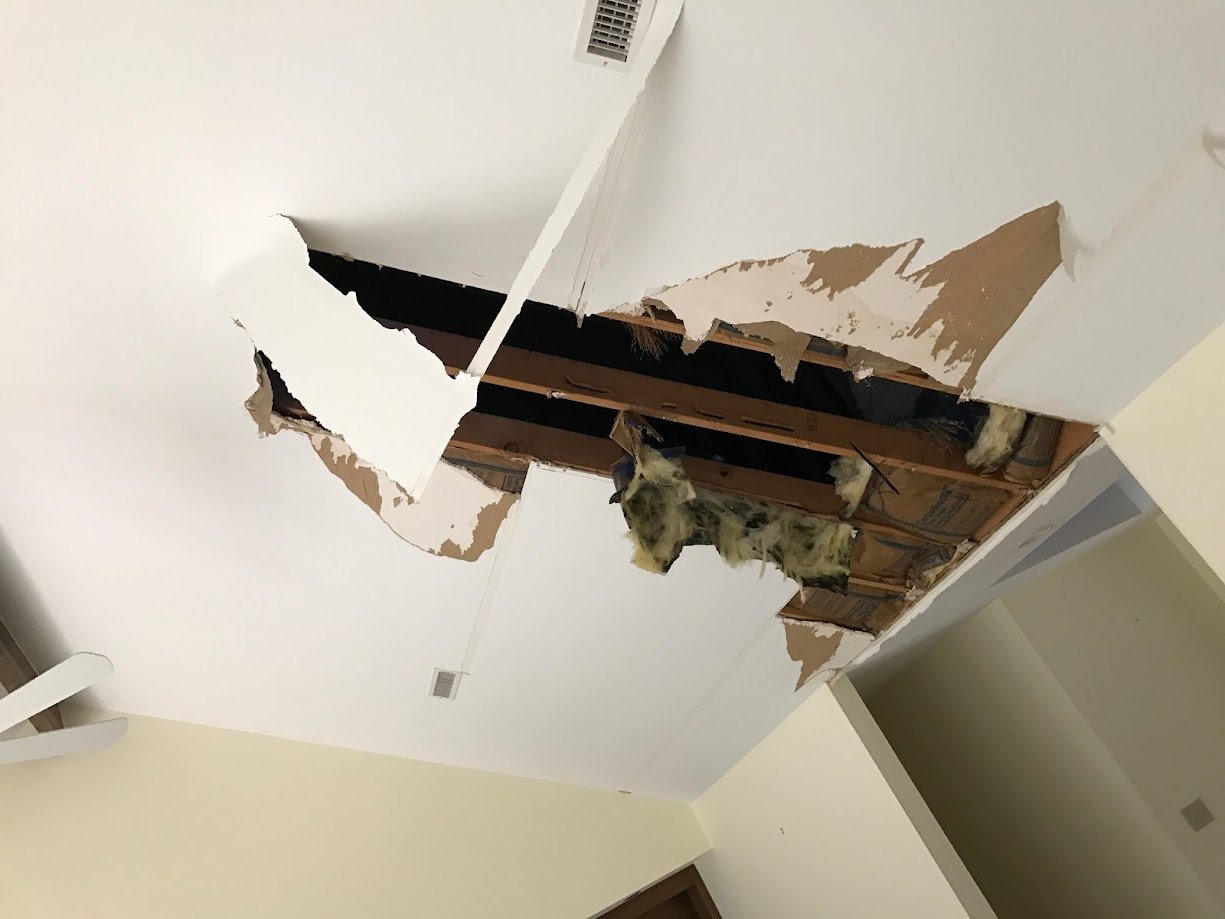
In coastal communities like Satellite Beach, the combination of heavy seasonal rains, storms, and high humidity makes homes particularly vulnerable to water intrusion. Roof leaks are a common source of hidden water damage, and if left unchecked, they can compromise both the structure of a home and the health of its occupants. Detecting leaks early is critical to preventing extensive damage and costly repairs.
This guide explores the early signs of roof leaks, explains why water leak detection is essential in Satellite Beach, and provides practical guidance for homeowners on inspection, maintenance, and professional intervention.
Why Roof Leaks Are a Serious Concern in Satellite Beach
Satellite Beach homeowners face unique challenges when it comes to maintaining their roofs. The coastal climate introduces factors that can accelerate wear and contribute to leaks:
- Intense rainstorms and tropical systems – heavy rain can exploit even minor gaps in shingles or flashing.
- High humidity and salt-laden air – increases material degradation, particularly on metal flashing and fasteners.
- Strong winds – can lift or damage shingles, exposing underlayment to water penetration.
- Aging roofs – older roofs often develop cracks, worn sealants, or degraded underlayment.
Even small leaks can allow water to infiltrate ceilings, walls, and attics, creating hidden moisture pockets that promote mold growth and structural weakening.
Early Signs of Roof Leaks Homeowners Should Watch For
Recognizing the early warning signs of a leak can prevent minor issues from becoming major problems. Experienced professionals often identify the following indicators:
1. Water Stains and Discoloration
- Yellow or brown spots on ceilings or walls
- Staining around roof penetrations like vents or skylights
- Dark streaks along eaves or in attic spaces
Even faint discoloration may signal moisture intrusion behind drywall or roofing materials.
2. Sagging Ceilings or Walls
Persistent leaks saturate drywall and plaster, causing it to bow or sag. This indicates water has accumulated over time and may require structural evaluation.
3. Musty or Damp Odors
A subtle musty smell indoors often points to mold growth fueled by a slow roof leak.
4. Mold Growth
Mold may appear on ceilings, attic surfaces, or insulation. In humid climates like Satellite Beach, mold can develop within 24–48 hours after water exposure.
5. Peeling Paint or Wallpaper
Moisture beneath surface materials causes paint or wallpaper to lift, bubble, or peel.
6. Dripping or Visible Water
Although obvious, visible leaks should never be ignored, even if intermittent. Water can track along structural components, creating hidden damage far from the visible point.
7. Increased Energy Bills
Leaks in the attic can compromise insulation, forcing HVAC systems to work harder and raising energy consumption.
Common Roof Leak Sources in Coastal Homes
Understanding where leaks originate helps homeowners and professionals target inspections effectively.
- Damaged shingles – cracked, curled, or missing shingles allow rain to penetrate.
- Flashing failures – around chimneys, vents, skylights, and valleys, deteriorated flashing is a frequent leak source.
- Clogged gutters – water may back up onto the roof or under shingles.
- Roof penetration failures – improperly sealed nails or fasteners can allow water entry.
- Flat roof membrane issues – pooled water or blistering membranes often cause leaks in flat or low-slope roofing.
In coastal homes, these vulnerabilities are compounded by wind-driven rain and prolonged humidity.
How Water Leak Detection Works
Professional water leak detection goes beyond visual inspection. It combines experience, specialized tools, and methodical procedures to identify hidden moisture before significant damage occurs.
1. Visual Inspection
- Attics, ceilings, and walls are examined for signs of staining, warped materials, and mold.
- Roof surfaces are checked for damaged shingles, cracked sealants, or corrosion.
2. Moisture Measurement
- Moisture meters detect elevated moisture levels in drywall, insulation, and wood framing.
- Thermal imaging cameras identify temperature anomalies associated with damp areas.
3. Leak Tracing
- Infrared imaging helps locate water migration paths within ceilings and walls.
- Water dye or tracer methods may be used in complex situations to identify entry points.
4. Documentation
- Technicians record moisture readings, thermal images, and visible damage to guide repairs and track progression over time.
Early detection allows targeted intervention before mold growth or structural damage becomes widespread.
Why Early Detection Matters
Ignoring early signs of roof leaks can have severe consequences:
- Structural Damage – prolonged water exposure weakens wood framing, ceilings, and subfloors.
- Mold Development – mold spreads rapidly in damp environments, compromising air quality and requiring professional remediation.
- Increased Repair Costs – early leaks are inexpensive to fix compared to major structural repairs.
- Health Risks – damp, moldy environments contribute to allergies, asthma, and respiratory irritation.
In Satellite Beach, where humidity is high year-round, even minor leaks can escalate quickly if undetected.
DIY vs. Professional Water Leak Detection
While homeowners can perform basic inspections, professional services provide advantages:
- Advanced Detection Tools – moisture meters, thermal cameras, and infrared scanners detect hidden issues.
- Accurate Leak Location – professionals trace the exact source of water entry.
- Damage Assessment – trained technicians can determine the extent of structural or material compromise.
- Documentation for Insurance – professional reports support claims and justify necessary repairs.
DIY detection is useful for monitoring but should not replace professional evaluation in persistent or extensive leak situations.
Steps Homeowners Should Take After Discovering a Leak
- Document the Leak – photograph stains, sagging areas, and damaged surfaces.
- Contain Water – place buckets or absorbent materials to prevent further damage.
- Minimize Damage – move furniture or belongings away from wet areas.
- Contact Professionals – schedule roof inspection and water leak detection immediately.
- Monitor Humidity – use a dehumidifier to prevent mold growth in the affected area.
Prompt action mitigates damage and reduces costs.
Preventive Maintenance Tips for Coastal Roofs
Regular maintenance reduces the likelihood of leaks and improves long-term roof performance.
- Roof Inspections – twice annually and after major storms.
- Gutter Cleaning – prevent water backup and ice-dam equivalents in Florida storms.
- Sealant Checks – maintain caulking around skylights, chimneys, and roof penetrations.
- Attic Ventilation – ensures heat and moisture are properly exhausted.
- Replace Aging Materials – shingles, flashing, and underlayment have finite lifespans.
Preventive measures are particularly important in coastal homes, where storms and humidity accelerate wear.
When to Call a Professional
Seek professional water leak detection if:
- Ceiling or wall stains appear and grow over time.
- You notice musty odors or visible mold.
- Water stains appear after each rainstorm.
- DIY detection cannot locate the source.
- Structural damage is suspected.
Early professional intervention prevents widespread damage and ensures repairs address the root cause rather than just visible symptoms.
Benefits of Professional Water Leak Detection in Satellite Beach
- Early Problem Identification – catch leaks before they cause major structural issues.
- Targeted Repairs – avoid unnecessary demolition or reconstruction.
- Health Protection – reduce the risk of mold exposure.
- Cost Savings – smaller, early repairs are less expensive than full-scale restoration.
- Peace of Mind – homeowners can maintain property value and safety in a coastal environment.
Professional services combine technology, experience, and local knowledge to safeguard homes in Satellite Beach.
Conclusion
Roof leaks in coastal Satellite Beach homes can start small but quickly escalate into significant water damage and mold problems if ignored. Recognizing early signs — from discoloration and sagging ceilings to musty odors — is crucial for protecting both the structure and indoor air quality.
Professional water leak detection allows homeowners to identify hidden moisture, trace the source, and take targeted action before problems worsen. Coupled with regular roof maintenance, proper ventilation, and prompt repairs, these practices ensure that your home remains safe, dry, and comfortable even during Florida’s rainy season.
By staying vigilant and addressing early warning signs immediately, Satellite Beach property owners can minimize damage, reduce repair costs, and maintain a healthy indoor environment for their families.