Early Signs You Should Not Ignore: Water Damage Restoration in Satellite Beach in Older Homes
Older homes in Satellite Beach have a unique charm and solid construction, but they can also be more vulnerable to water damage than newer properties. Aging plumbing, older roofing materials, and ventilation systems that were not designed for modern humidity levels can allow moisture to build up over time. In a coastal environment where humidity and storms are common, even a small leak can lead to significant damage if it goes unnoticed.
Water damage restoration is most effective when problems are identified early. Understanding the warning signs helps homeowners address moisture quickly, prevent mold growth, and protect structural components.
What Water Damage Looks Like in Older Homes
Water damage does not always appear as standing water or obvious flooding. In many cases, moisture spreads quietly into walls, ceilings, and flooring. Older homes often have materials that absorb water more readily, such as plaster, wood trim, and older insulation.
After a leak or storm, moisture may affect:
- Ceiling drywall or plaster
- Wood framing and baseboards
- Flooring and subfloors
- Attic insulation
- HVAC ducts and surrounding materials
Because water travels along beams and inside cavities, the source of damage is often farther away from where the signs appear.
Why Older Homes in Satellite Beach Are More Vulnerable
Satellite Beach and nearby areas such as Indian Harbour Beach, Melbourne, and Cocoa Beach experience conditions that increase the likelihood of water damage.
High coastal humidity
Moist air slows drying and allows damp materials to remain wet longer.
Frequent storms and wind-driven rain
Older roofing systems and flashing may be more prone to small leaks.
Aging plumbing systems
Older pipes and fittings are more likely to develop slow leaks.
Ventilation limitations
Older homes may not have adequate attic or bathroom ventilation, allowing moisture to accumulate.
These factors make regular inspections especially important in older properties.
Early Signs You Should Not Ignore
Water damage often begins subtly. Recognizing early warning signs helps prevent larger restoration projects.
Musty or damp odors
Persistent odors often indicate hidden moisture in walls, ceilings, or ducts.
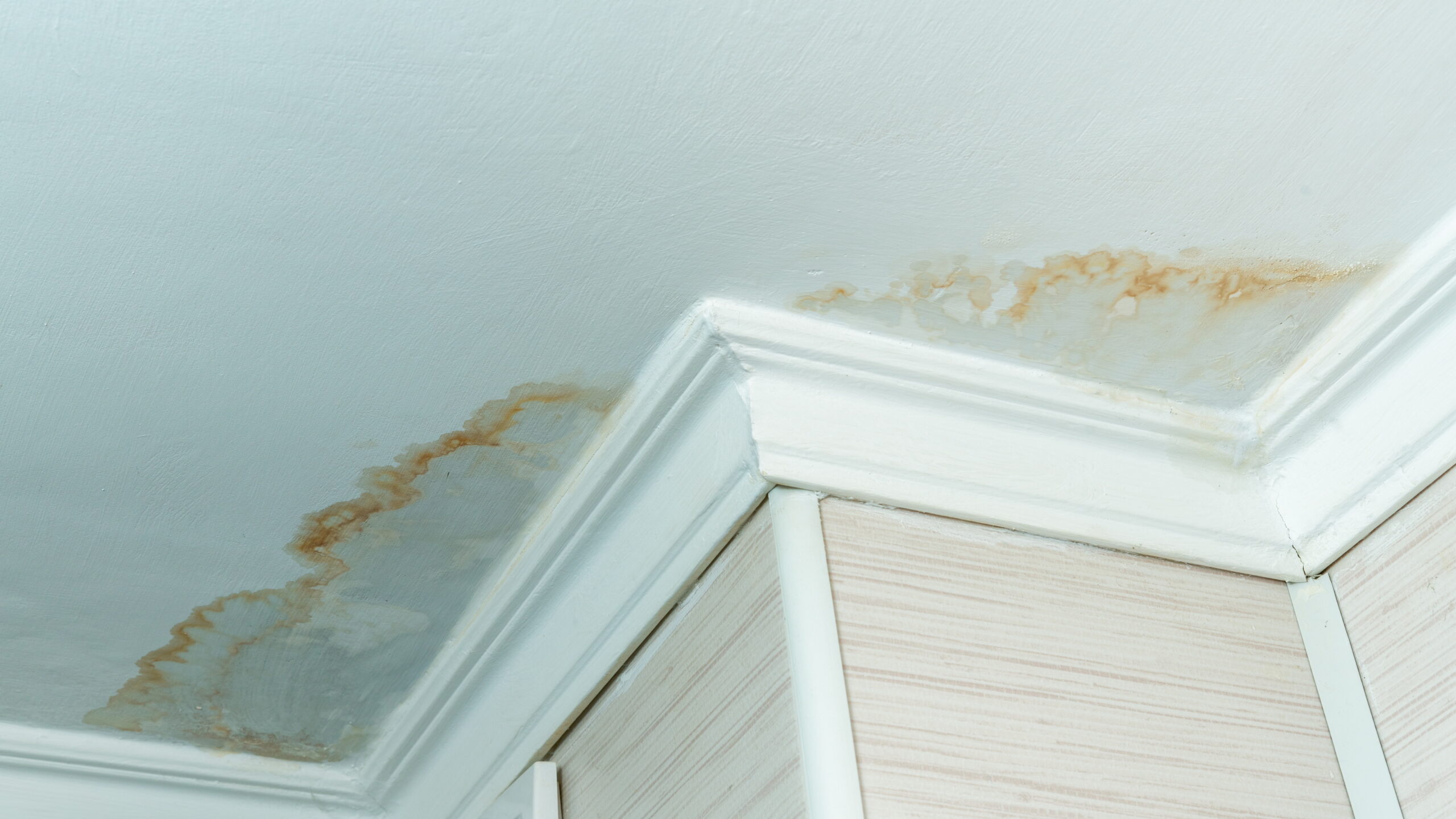
Water stains or discoloration
Yellow or brown stains on ceilings or walls may signal roof or plumbing leaks.
Peeling paint or bubbling finishes
Moisture trapped behind surfaces can cause paint and drywall to separate.
Warped flooring or soft spots
Wood and laminate flooring may swell or feel uneven when moisture is present.
Increased indoor humidity
Rooms that feel damp or sticky may have hidden moisture problems.
These warning signs often appear weeks before major damage becomes visible.
Hidden Areas Where Water Damage Often Develops
Some of the most serious water damage in older homes occurs in areas that are rarely inspected.
Attics
Roof leaks may dampen insulation and wood framing long before ceiling stains appear.
Behind walls
Small plumbing leaks or condensation can keep insulation wet for long periods.
Under flooring
Moisture trapped beneath carpet or tile may remain undetected.
Air ducts and HVAC systems
Humidity and condensation can affect ducts, especially in attic spaces.
Professional inspections often reveal moisture in these hidden areas even when surfaces appear dry.
Why DIY Drying Often Falls Short
After noticing a leak or damp area, many homeowners use fans or household dehumidifiers. While these steps can help with surface drying, they often do not remove moisture trapped inside structural materials.
DIY drying may fail because:
- Moisture remains inside insulation or subfloors
- Household equipment cannot remove enough humidity
- Hidden damp areas are not detected
- Drying is stopped too soon
Without thorough drying, mold can begin developing within days in Florida’s warm climate.
What a Professional Water Damage Inspection Involves
A proper inspection is the first step in effective restoration. Professionals focus on identifying moisture sources and determining how far water has spread.
A typical inspection may include:
- Visual examination of affected areas
- Moisture readings in walls, ceilings, and floors
- Humidity measurements throughout the home
- Inspection of attic spaces and roof structures
- Checking HVAC systems and ductwork
Technicians experienced in Satellite Beach homes understand how coastal humidity and older construction methods affect drying and moisture movement.
The Water Damage Restoration Process
Once moisture is confirmed, restoration follows a structured process designed to restore the home safely and efficiently.
Water removal and extraction
Standing water or saturated materials are addressed first.
Drying and dehumidification
Professional air movers and dehumidifiers reduce moisture levels in structural materials.
Moisture monitoring
Technicians track drying progress to ensure materials reach safe levels.
Cleaning and sanitizing
Affected surfaces are cleaned to remove contaminants and odors.
Repairs and restoration
Damaged drywall, insulation, or flooring may be repaired or replaced.
Palm Bay Mold Removal and other regional specialists often emphasize that proper drying is the most important step in preventing mold after water damage.
Mold Risks in Older Homes
One of the biggest concerns after water damage is mold growth. Older homes may contain porous materials that retain moisture longer, increasing the likelihood of contamination.
Areas most at risk include:
- Drywall and plaster
- Carpet and padding
- Ceiling cavities
- Attic insulation
- Duct insulation
Early restoration significantly reduces the risk of mold spreading.
HVAC Systems and Indoor Air Quality
Water damage can also affect HVAC systems, particularly when ducts are located in attics or ceiling cavities. Moisture around ducts or air handlers may lead to musty odors and reduced airflow.
Common HVAC-related concerns include:
- Condensation buildup
- Damp duct insulation
- Dust adhering to moist surfaces
- Odors circulating through vents
Inspecting HVAC systems after water intrusion helps restore indoor air quality and system efficiency.
Preventing Water Damage in Older Homes
Homeowners in Satellite Beach can reduce the risk of water damage by taking preventive steps:
- Inspect roofs regularly, especially after storms
- Repair plumbing leaks promptly
- Maintain gutters and drainage systems
- Improve attic ventilation
- Monitor indoor humidity levels
- Schedule periodic home inspections
Preventive maintenance helps identify small issues before they become major repairs.
Why Local Experience Matters
Water damage restoration in coastal Florida requires an understanding of local climate conditions, building materials, and humidity cycles. Older homes in Satellite Beach, Melbourne, Merritt Island, and Titusville often face similar environmental challenges.
Professionals familiar with the region understand:
- How humidity affects drying times
- Where hidden moisture commonly accumulates
- Which restoration methods work best in coastal homes
Palm Bay Mold Removal and other experienced local providers often tailor inspections and restoration methods to these conditions, helping homeowners achieve reliable and lasting results.
A Practical Next Step for Homeowners
If your older home shows signs of water damage—such as odors, stains, or humidity problems—scheduling a professional inspection is a wise step. Early restoration helps prevent mold growth, protects structural materials, and reduces long-term repair costs.
With timely inspections, proper drying, and regular maintenance, homeowners in Satellite Beach can keep older homes comfortable, safe, and resilient, even in Florida’s humid coastal environment.