
Early Signs You Should Not Ignore: Mold Removal in West Melbourne in Commercial Buildings
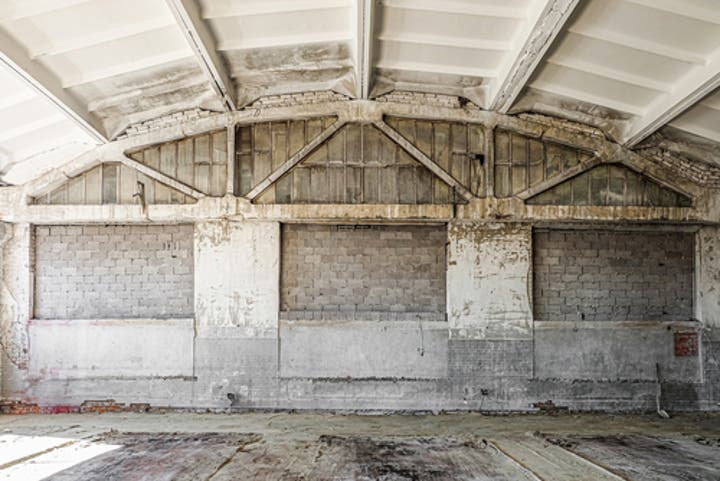
Commercial property owners and facility managers in West Melbourne face unique challenges when it comes to mold management. The region’s high humidity, frequent rainfall, and occasional storms create ideal conditions for mold growth in offices, retail spaces, warehouses, and other commercial buildings. Left unchecked, mold can compromise indoor air quality, affect employee health, and damage structural elements, leading to costly repairs and business interruptions.
Mold removal in commercial buildings is a specialized process that requires early detection, accurate assessment, and professional remediation. This guide provides an in-depth look at the causes of mold in West Melbourne commercial properties, early warning signs, inspection and remediation procedures, and preventive strategies to protect both property and occupants.
Understanding Mold in Commercial Buildings
Mold is a fungus that reproduces through microscopic spores, which are naturally present in indoor and outdoor environments. In commercial buildings, mold growth occurs when:
- Moisture is present – From leaks, condensation, or flooding.
- Warm temperatures exist – Florida’s subtropical climate supports year-round mold growth.
- Organic surfaces are available – Drywall, wood, ceiling tiles, and carpet provide nutrients for colonies.
Unlike residential mold, commercial mold can spread more quickly due to larger spaces, complex HVAC systems, and higher occupant activity. Rapid identification and professional remediation are crucial to prevent extensive damage and business disruptions.
Common Causes of Mold in West Melbourne Commercial Buildings
1. HVAC System Issues
Commercial HVAC systems distribute conditioned air throughout buildings. Leaky ducts, clogged drip pans, or neglected maintenance can result in condensation that promotes mold growth inside ducts, vents, or air handlers.
2. Plumbing Leaks
Leaks from restrooms, break rooms, or water fountains can introduce water into walls, ceilings, and floors. Even slow leaks behind walls can lead to hidden mold colonies.
3. Roof and Window Leaks
Flat or low-slope roofs, common in commercial construction, may accumulate water during heavy rainstorms. Aging seals around windows or skylights can allow moisture intrusion.
4. Flooding or Storm Damage
Coastal and low-lying areas of West Melbourne are susceptible to stormwater flooding. Flooded areas that are not thoroughly dried can lead to rapid mold colonization.
5. Poor Ventilation
Rooms with minimal airflow, such as storage areas, basements, or closed conference rooms, can trap humidity and moisture, creating ideal conditions for mold growth.
Early Signs of Mold in Commercial Buildings
Detecting mold early is critical to prevent extensive damage. Facility managers should monitor for:
- Musty or Earthy Odors – Often the first indicator of hidden mold in walls, ceilings, or HVAC systems.
- Visible Growth – Black, green, or white patches on walls, ceilings, flooring, or vents.
- Water Stains or Discoloration – Yellow, brown, or dark spots on ceilings, walls, or carpeting.
- Warping or Bubbling Surfaces – Signs of prolonged moisture exposure in walls, doors, or flooring.
- Employee Complaints – Respiratory irritation, allergy symptoms, or headaches may indicate poor air quality due to mold.
Prompt action upon noticing any of these signs can minimize remediation costs and prevent business disruption.
Professional Mold Inspection in Commercial Properties
Commercial mold inspection is more complex than residential evaluation due to larger spaces, multiple HVAC zones, and varied occupancy. A comprehensive inspection typically includes:
Step 1: Visual Assessment
- Inspecting walls, ceilings, floors, and HVAC components for visible mold or water damage.
- Evaluating areas prone to leaks, condensation, or poor airflow.
- Identifying high-risk zones such as basements, storage areas, or conference rooms.
Step 2: Moisture Detection
- Moisture Meters – Measure moisture content in walls, flooring, and structural elements.
- Thermal Imaging – Detects hidden moisture behind walls or ceilings.
- Hygrometers – Monitor humidity levels to assess mold risk.
These tools allow inspectors to locate hidden problems before they spread.
Step 3: Air and Surface Sampling
- Air Sampling – Measures airborne spores to determine contamination levels.
- Surface Swabs or Tape Lifts – Collect samples from mold-affected areas for lab analysis.
- Species Identification – Helps determine severity and remediation approach.
Comprehensive testing ensures a clear understanding of mold spread and potential health risks.
Step 4: Inspection Report
- Documents findings, including affected areas, moisture sources, and recommended remediation.
- Provides actionable steps for safe and effective mold removal.
- Offers guidance for long-term prevention and monitoring.
Mold Removal Process for Commercial Buildings
Professional remediation in commercial settings requires a structured approach:
Step 1: Containment
- Seal affected areas with plastic barriers to prevent spore migration.
- Utilize negative air pressure machines to isolate contaminated zones.
- Restrict access to ensure safety of employees and clients.
Step 2: Removal of Contaminated Materials
- Porous materials such as ceiling tiles, drywall, and carpeting may be removed if heavily colonized.
- Non-porous surfaces are cleaned using HEPA vacuums and antimicrobial solutions.
- Safe disposal of contaminated materials prevents recontamination.
Step 3: Cleaning and Disinfection
- Scrubbing surfaces and HVAC components to eliminate spores.
- Treating structural elements with EPA-approved disinfectants.
- Ensuring thorough cleaning of vents, ducts, and registers to prevent airborne spread.
Step 4: Drying and Dehumidification
- Industrial air movers and dehumidifiers remove residual moisture.
- Monitoring ensures that humidity and moisture levels remain low, critical in West Melbourne’s humid climate.
Step 5: Restoration
- Repair or replace damaged materials such as drywall, insulation, or flooring.
- Restore HVAC systems to full operation.
- Confirm that ventilation and airflow prevent future mold issues.
Step 6: Post-Remediation Verification
- Clearance testing verifies that mold spores are reduced to safe levels.
- Moisture levels are rechecked to confirm areas are dry.
- Ensures the building is safe for occupancy and operations.
Preventive Measures for Commercial Buildings
Preventing mold in West Melbourne commercial properties requires proactive strategies:
- Routine HVAC Maintenance – Clean coils, ducts, and drip pans regularly.
- Humidity Control – Maintain indoor humidity below 50% with dehumidifiers.
- Timely Repairs – Fix plumbing leaks, roof damage, and window seals promptly.
- Proper Ventilation – Ensure storage rooms, bathrooms, and conference areas have adequate airflow.
- Building Material Selection – Use moisture-resistant materials in high-risk areas.
- Regular Inspections – Schedule professional mold inspections annually or after water intrusion events.
Costs of Mold Remediation in Commercial Buildings
Costs vary depending on building size, extent of contamination, and materials involved:
- Small Commercial Spaces (Single Floor, Limited Areas) – $1,000–$5,000
- Medium Spaces (Multiple Rooms, HVAC Cleaning) – $5,000–$15,000
- Large or Severe Infestations (Multiple Floors, Structural Involvement) – $15,000–$50,000+
Early detection and prompt remediation help reduce costs and prevent operational disruptions.
Health and Operational Considerations
Mold exposure in commercial buildings can affect:
- Employee Health – Allergies, respiratory irritation, and fatigue may impact productivity.
- Client Experience – Poor indoor air quality can affect business reputation.
- Regulatory Compliance – Maintaining safe indoor environments meets health and safety standards.
Professional remediation restores a safe workplace and prevents liability issues.
Local Expertise Matters
West Melbourne commercial property owners benefit from working with local mold specialists who understand:
- Coastal humidity and seasonal storm patterns
- Common building designs and materials in Florida commercial construction
- HVAC systems and duct layouts typical of offices and retail properties
- Effective mold prevention and long-term maintenance strategies
Local experience ensures inspections, remediation, and preventive measures are tailored to the unique conditions of West Melbourne.
Conclusion
Mold is a significant concern for commercial buildings in West Melbourne, particularly during humid months and after water intrusion events. Early detection and professional mold removal are essential to protect building integrity, maintain indoor air quality, and safeguard employee and tenant health.
The remediation process includes inspection, containment, removal of contaminated materials, cleaning, drying, restoration, and post-remediation verification. Implementing preventive measures—such as HVAC maintenance, humidity control, timely repairs, and regular inspections—ensures that commercial properties remain safe, healthy, and operational year-round.