
Early Signs You Should Not Ignore: Mold Removal in Palm Bay From Poor Ventilation
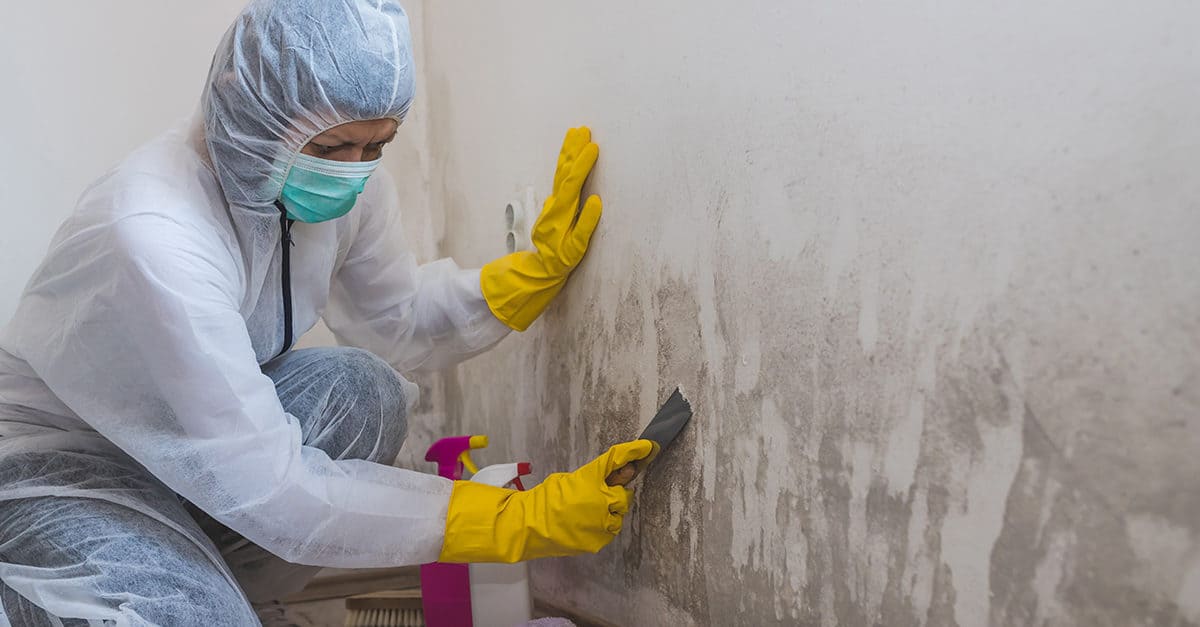
Homes in Palm Bay often face unique challenges when it comes to indoor air quality due to high humidity, frequent rainfall, and warm temperatures. One of the most common yet overlooked contributors to mold growth is poor ventilation. While homeowners may notice obvious signs of water leaks or flooding, inadequate airflow can silently create damp conditions in attics, crawl spaces, bathrooms, and HVAC systems, providing the perfect environment for mold to thrive.
Mold growth from poor ventilation is not only a health hazard but also a threat to property integrity and long-term home value. Identifying early warning signs and engaging professional mold removal services are essential steps to protect both residents and their homes. This comprehensive guide provides Palm Bay homeowners with critical information on detecting, removing, and preventing mold caused by poor ventilation.
Why Poor Ventilation Leads to Mold Growth
Mold thrives in warm, moist environments. In homes with poor ventilation:
- Air circulation is limited, allowing humidity to build up.
- Moisture lingers on walls, ceilings, and floors instead of evaporating.
- Hidden spaces such as attics, crawl spaces, and ductwork remain damp.
Common areas affected by poor ventilation include bathrooms without exhaust fans, kitchens, laundry rooms, closets, attics, and areas near HVAC registers. Even small temperature differences or blocked vents can exacerbate moisture buildup, leading to microbial growth.
Early Warning Signs of Mold from Poor Ventilation
Recognizing the first indicators of mold is crucial. Homeowners should watch for:
- Musty or Earthy Odors
A persistent, musty smell often indicates mold growth in hidden areas. Even if no visible mold is present, odors are a warning sign. - Visible Mold Growth
Mold may appear as black, green, or white patches on walls, ceilings, baseboards, or around windows and vents. - Condensation and Water Stains
Damp spots, discoloration, or bubbling paint on walls and ceilings indicate excess moisture. - Health Symptoms
Sneezing, coughing, itchy eyes, or asthma flare-ups can signal poor air quality caused by mold spores circulating indoors. - Excessive Dust or Debris
Dust accumulation near vents may trap mold spores, spreading them when the HVAC system operates. - Warped or Damaged Materials
Wood or drywall that warps, cracks, or peels often indicates prolonged exposure to moisture.
Early detection allows for faster remediation and limits damage to both health and property.
Common Areas in Palm Bay Homes Affected by Poor Ventilation
1. Attics and Crawl Spaces
Limited airflow in attics or crawl spaces traps heat and moisture, making them prime locations for mold growth.
2. Bathrooms and Kitchens
High humidity from showers and cooking, combined with insufficient exhaust ventilation, can create damp conditions.
3. HVAC Systems
Clogged or poorly designed ductwork circulates humid air, spreading mold spores throughout the home.
4. Closets and Storage Areas
Clothes, cardboard boxes, or stored items can trap moisture in poorly ventilated spaces, fostering mold.
5. Laundry Rooms
Warm, wet laundry combined with minimal airflow encourages microbial growth on walls, floors, and behind appliances.
Professional Mold Inspection and Removal Process
Certified mold remediation specialists follow a structured approach to address mold caused by poor ventilation:
Step 1: Comprehensive Inspection
Technicians examine the home for visible mold, water stains, condensation, and potential airflow issues. They use moisture meters, hygrometers, and infrared cameras to locate hidden contamination.
Step 2: Air and Surface Sampling
Air samples measure mold spore concentrations, while surface swabs determine species and contamination severity. This ensures an accurate remediation plan.
Step 3: Containment
Affected areas are sealed using plastic barriers and negative air pressure to prevent spores from spreading during cleanup.
Step 4: Mold Removal
- Non-porous surfaces: Scrubbed and disinfected with antimicrobial solutions.
- Porous materials: Drywall, insulation, and carpeting may be removed and replaced if heavily contaminated.
Step 5: HVAC Cleaning
Ducts, registers, and air handlers are cleaned to prevent the circulation of spores throughout the home.
Step 6: Drying and Dehumidification
High-capacity fans and dehumidifiers reduce indoor humidity levels to prevent mold regrowth.
Step 7: Post-Remediation Verification
Follow-up testing ensures mold levels are safe, and the home’s indoor air quality is restored.
Benefits of Professional Mold Removal
- Health Protection: Reduces exposure to allergens, spores, and respiratory irritants.
- Structural Preservation: Prevents ongoing damage to walls, ceilings, and flooring.
- Odor Elimination: Removes musty smells caused by microbial growth.
- Improved HVAC Efficiency: Clean ducts and filters enhance airflow and system performance.
- Peace of Mind: Confirms that the home is safe for residents.
Costs of Mold Removal in Palm Bay
Costs vary based on the size of the contaminated area, level of mold growth, and complexity of remediation:
- Small areas (<10 sq. ft.): $500–$1,000
- Medium areas (10–50 sq. ft.): $1,000–$3,000
- Large infestations (>50 sq. ft.): $3,000–$7,000+
HVAC cleaning, post-remediation verification, and replacement of affected materials can increase costs but prevent more extensive and expensive problems later.
Preventive Measures for Homeowners
After remediation, homeowners should take proactive steps to prevent mold caused by poor ventilation:
- Increase Airflow: Use ceiling fans, open windows, and install vent fans in bathrooms and kitchens.
- Maintain HVAC Systems: Regularly clean ducts, replace filters, and ensure proper airflow.
- Control Humidity: Use dehumidifiers and monitor indoor humidity levels to stay below 60%.
- Repair Leaks Promptly: Address plumbing or roof leaks immediately.
- Routine Inspections: Schedule annual mold inspections, especially in humid areas and after storms.
- Use Mold-Resistant Materials: Install mold-resistant drywall, insulation, and paints in moisture-prone areas.
- Keep Storage Areas Dry: Avoid storing items directly on floors or against walls in attics, basements, or closets.
Real-World Example
A Palm Bay homeowner noticed a musty smell in their attic and slight condensation on the ceiling. Inspection revealed:
- Mold growth on insulation and attic beams
- Stagnant air due to blocked vents and poor ventilation
Professional mold removal included:
- Cleaning and disinfecting structural surfaces
- Replacing contaminated insulation
- Installing additional vents to improve airflow
- Dehumidifiers to control humidity
Post-remediation verification confirmed that mold spores were eliminated, odors removed, and indoor air quality restored. Early action prevented mold from spreading to living spaces and saved on potential structural repairs.
Choosing a Professional Mold Removal Service
Homeowners should select a provider who:
- Holds proper licensing, certification, and insurance
- Uses advanced inspection tools, such as thermal cameras and moisture meters
- Has experience addressing mold from poor ventilation and humid climates
- Provides detailed reports and follow-up verification
- Offers HVAC cleaning alongside structural mold remediation
Avoid companies that only offer surface cleaning or do not perform post-remediation testing.
Final Thoughts
Mold growth from poor ventilation is a silent threat in Palm Bay homes, particularly in Florida’s humid climate. Professional mold removal:
- Protects the health of residents
- Preserves structural integrity and property value
- Improves indoor air quality and comfort
- Prevents future infestations and costly repairs
By recognizing early warning signs, engaging qualified professionals, and implementing preventive measures, homeowners can maintain a safe, healthy, and mold-free home environment.