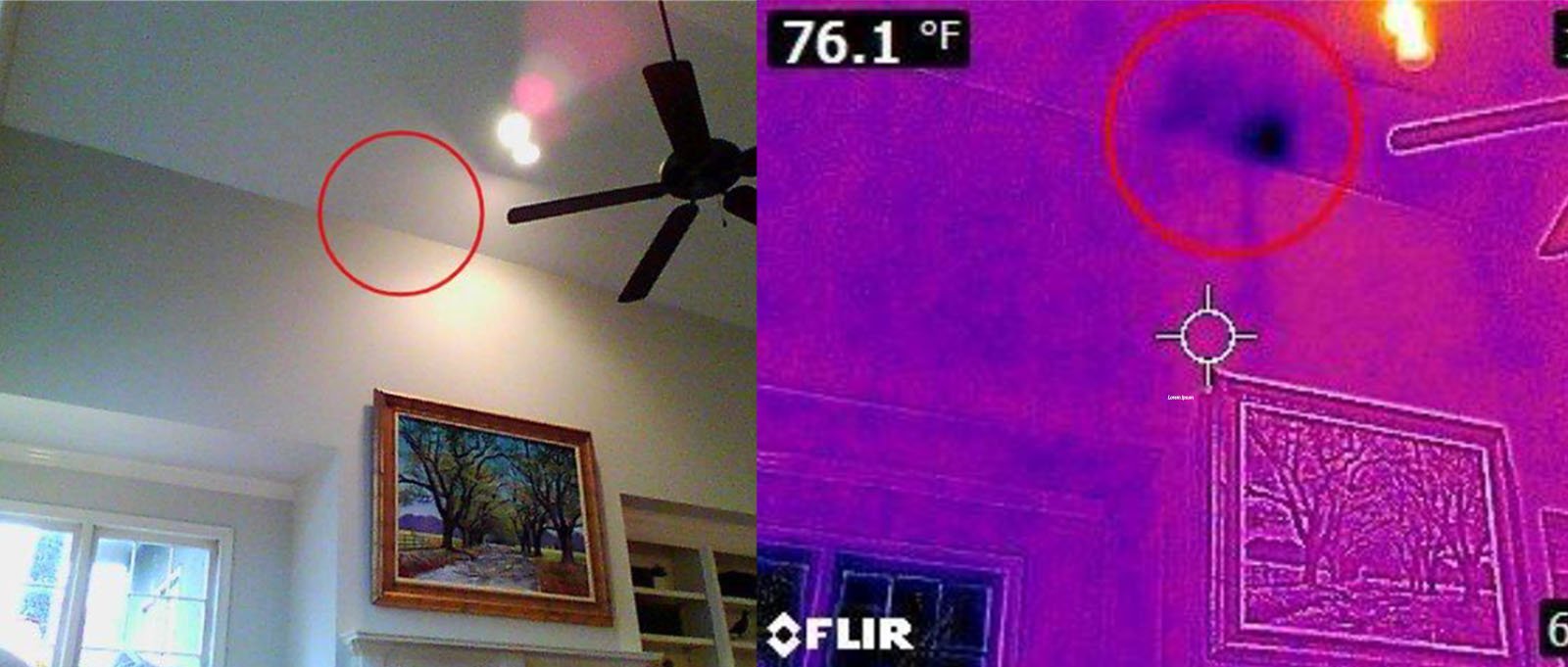
Early Signs You Should Not Ignore: Mold Inspection in Cocoa Beach from AC Condensation
In Cocoa Beach, air conditioning systems work almost year-round. While they keep homes comfortable, they also produce condensation as part of the cooling process. Normally this moisture drains away safely, but when drainage slows, ducts sweat, or humidity remains high, condensation can become a hidden source of moisture. Over time, this trapped moisture may lead to mold growth in ceilings, walls, ducts, or closets—often before homeowners realize there is a problem.
Understanding the early warning signs of mold related to AC condensation helps homeowners act quickly, schedule an inspection, and prevent larger structural or indoor air quality issues.
Why AC Condensation Causes Mold in Coastal Homes
Air conditioners remove humidity from indoor air by cooling it and allowing moisture to condense on the evaporator coil. This water should drain through a condensate line. However, in coastal environments like Cocoa Beach, several factors can interfere with this process:
- High humidity levels outdoors
- AC systems running for long hours
- Drain lines that clog with debris or algae
- Ductwork located in hot, humid attics
- Poor airflow or ventilation
When condensation accumulates or ducts remain damp, moisture can spread into insulation, drywall, and surrounding materials, creating conditions where mold can develop.
Homes throughout Cocoa Beach, Satellite Beach, and nearby Merritt Island often experience similar HVAC moisture challenges due to the coastal climate.
Early Signs Homeowners Should Not Ignore
Mold caused by AC condensation rarely appears suddenly. In most cases, the system gives early warning signs that something is wrong.
Musty Odors When the AC Runs
One of the most common indicators is a musty or damp smell that becomes noticeable when the air conditioner starts. This often means moisture has collected in:
- Ductwork
- Air handlers
- Drain pans
- Insulation near vents
If the odor fades when the system shuts off, it strongly suggests the HVAC system is contributing to the problem.
Condensation Around Vents or Registers
Moisture forming on or around air vents is another early sign. This may appear as:
- Water droplets on vent covers
- Damp drywall near ceiling vents
- Slight discoloration around registers
Condensation around vents often indicates humidity imbalance, duct insulation issues, or airflow problems that can lead to mold if left unresolved.
Increased Indoor Humidity
When condensation problems begin, homeowners often notice that rooms feel humid or sticky even when the AC is running. Signs of excess humidity include:
- Condensation on windows
- A persistent damp feeling indoors
- Difficulty maintaining comfortable temperatures
High humidity allows mold to grow more easily, especially in closets, storage areas, and rooms with limited airflow.
Stains or Discoloration Near Ceilings
Water from condensation problems may soak into ceiling materials gradually. Early staining often appears as:
- Light brown or yellow discoloration
- Slight bubbling or peeling paint
- Soft drywall near vents or duct runs
These changes are often mistaken for roof leaks, but in many cases the cause is HVAC condensation.
Recurring Mold in the Same Location
If mold reappears after cleaning, condensation or hidden moisture is often the underlying cause. Surface cleaning may remove visible growth temporarily, but mold returns when moisture conditions remain unchanged.
This is one of the clearest signs that a professional inspection is needed.
Hidden Areas Where Mold from Condensation Develops
AC-related mold often forms in places that are not immediately visible:
- Inside air ducts
- Around air handlers
- Behind ceiling drywall near ductwork
- In attic insulation
- Inside return air cavities
Because these areas are concealed, mold growth may continue for weeks before becoming noticeable.
A mold inspection helps identify these hidden moisture sources before repairs are made.
Why Mold Inspection Is Important
A professional mold inspection focuses on finding both the mold and the moisture source. Simply cleaning visible areas without identifying the cause often leads to recurring problems.
An inspection typically evaluates:
- Indoor humidity levels
- Condition of HVAC components
- Moisture in ceilings and walls
- Drain line and condensate pan function
- Airflow and ventilation patterns
Moisture meters and thermal imaging tools help locate damp areas that cannot be seen during a visual inspection alone.
This process ensures that remediation addresses the root cause rather than just the symptoms.
The Connection Between AC Maintenance and Mold Prevention
Many condensation-related mold issues begin with minor HVAC maintenance problems, such as:
- Clogged condensate drain lines
- Dirty evaporator coils
- Blocked air filters
- Poorly insulated ducts
Routine maintenance reduces these risks and helps keep humidity levels stable indoors.
Regular inspections of HVAC systems are especially important in coastal homes where equipment runs frequently.
What Happens If Mold Is Found
If mold growth is identified during inspection, remediation steps may include:
- Correcting the condensation or drainage issue
- Removing damaged materials when necessary
- Cleaning affected structural surfaces
- Drying the area thoroughly
- Verifying moisture levels before repairs
Drying is one of the most critical steps. Even slightly damp materials can allow mold to return in Florida’s climate.
Proper remediation ensures that both the mold and the conditions that caused it are addressed.
Preventing Mold from AC Condensation
Homeowners in Cocoa Beach can reduce the risk of condensation-related mold by taking a few practical steps:
- Replace HVAC filters regularly
- Flush condensate drain lines periodically
- Keep vents unobstructed
- Maintain attic ventilation
- Monitor indoor humidity levels
After heavy AC usage during summer months, checking ceilings and vents for early signs of moisture can help catch problems before they spread.
Why Local Experience Matters
Mold inspections in Cocoa Beach require understanding how coastal humidity and HVAC systems interact. Warm temperatures, salty air, and long cooling seasons create unique conditions that influence where moisture accumulates.
Homes in Cocoa Beach, Satellite Beach, and Merritt Island often share similar construction styles and ventilation patterns, but each property has unique airflow characteristics and moisture risks.
Professionals familiar with Brevard County conditions—such as Palm Bay Mold Removal—understand how condensation-related mold develops and how to correct both the contamination and the underlying causes effectively.
Local knowledge helps ensure inspections are thorough and solutions are long-lasting.
A Practical Next Step for Homeowners
If you notice musty odors, condensation near vents, or recurring mold spots, scheduling a mold inspection is a practical first step. Identifying condensation issues early prevents structural damage and reduces the scope of remediation.
AC condensation problems often begin quietly, but with timely inspection and maintenance, they can be resolved before causing significant damage. Acting early helps protect both your home and your indoor comfort.