Early Signs You Should Not Ignore: Indoor Air Quality Improvement in West Melbourne After Storm Damage
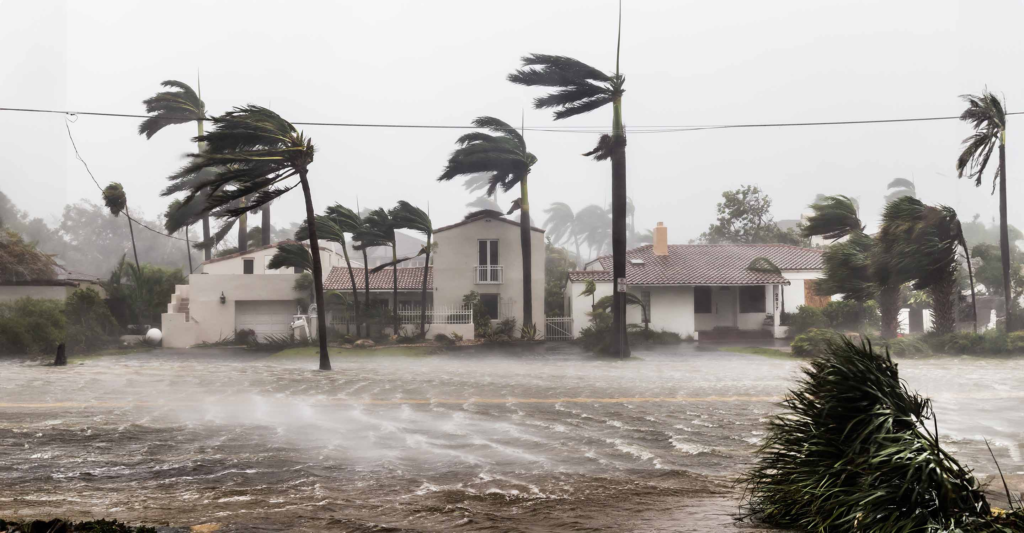
Storms in West Melbourne bring heavy rainfall, high winds, and flooding, which can severely affect homes’ indoor environments. While structural damage is often visible and addressed promptly, storm-related issues with indoor air quality (IAQ) are less apparent and can pose serious health risks if overlooked.
Post-storm indoor air quality concerns include mold growth, elevated humidity, dust accumulation, and contamination from floodwaters. Homeowners should recognize early warning signs and take immediate action to restore healthy air quality. This guide provides an in-depth look at the causes, early indicators, and practical steps for indoor air quality improvement after storm damage in West Melbourne.
Why Storms Affect Indoor Air Quality
Storm damage can compromise indoor air quality through multiple pathways:
- Flooding and Water Intrusion
- Water from leaks or flooding saturates building materials, promoting mold and mildew growth.
- Structural Damage
- Broken windows, roof leaks, and damaged walls can allow outdoor pollutants and allergens into homes.
- HVAC System Contamination
- Air ducts may draw in debris, standing water, and mold spores, spreading contaminants throughout the home.
- Elevated Humidity
- High moisture levels create a breeding ground for bacteria, fungi, and dust mites.
- Debris and Contaminants
- Floodwaters often carry chemicals, soil, and organic matter that compromise air quality when left untreated.
Early Signs of Indoor Air Quality Problems
Homeowners should monitor their homes for the following post-storm indicators:
- Musty or Stale Odors
- Persistent earthy or damp smells may indicate hidden moisture or mold growth.
- Visible Mold
- Mold growth can appear on walls, ceilings, carpets, or HVAC vents.
- Condensation or Water Stains
- Fogged windows, wet walls, or brownish discoloration on ceilings may signal moisture accumulation.
- Increased Allergy Symptoms
- Sneezing, coughing, itchy eyes, or sinus irritation among residents may indicate air contamination.
- Poor Ventilation
- Stale air, reduced airflow, or elevated indoor humidity levels suggest a compromised ventilation system.
- HVAC Performance Issues
- Strange odors, reduced airflow, or dust buildup in ducts can indicate system contamination from water damage.
Ignoring these early signs can result in long-term health hazards, structural damage, and costly repairs.
Step-by-Step Indoor Air Quality Improvement After Storm Damage
Step 1: Safety First
- Ensure electricity is turned off in flooded or water-damaged areas to prevent electrocution.
- Wear protective gear (gloves, mask, boots) when handling contaminated materials.
Step 2: Identify Moisture Sources
- Inspect roofs, walls, windows, and plumbing for leaks.
- Detect hidden water using moisture meters and thermal imaging.
Step 3: Dry and Remove Water
- Extract standing water with pumps or wet/dry vacuums.
- Use dehumidifiers, fans, and air movers to dry affected areas thoroughly.
Step 4: Clean and Sanitize
- Apply antimicrobial and disinfectant solutions to remove mold, bacteria, and debris.
- Clean carpets, flooring, and furniture exposed to floodwaters.
Step 5: Inspect HVAC Systems
- Check ducts, filters, and vents for water intrusion or mold.
- Clean or replace contaminated components to prevent air contamination.
Step 6: Air Quality Testing
- Conduct professional indoor air quality testing to measure mold spores, allergens, and other contaminants.
- Test multiple areas of the home, especially damp or enclosed spaces.
Step 7: Preventive Measures
- Install high-efficiency filters in HVAC systems.
- Ensure proper ventilation in attics, basements, and bathrooms.
- Monitor indoor humidity levels with hygrometers, keeping it below 60%.
Step 8: Long-Term Monitoring
- Regularly check for mold growth, musty odors, or HVAC performance issues.
- Schedule periodic professional IAQ assessments after significant storms.
Benefits of Indoor Air Quality Improvement
- Health Protection
- Reduces exposure to mold, allergens, and bacteria.
- Structural Preservation
- Prevents mold and rot from damaging building materials.
- Improved Comfort
- Fresh, clean air enhances overall living conditions.
- Cost Savings
- Early intervention prevents expensive remediation and structural repairs.
- Peace of Mind
- Ensures a safe and habitable environment for all residents.
Preventive Tips for Homeowners
- Inspect Roofs and Gutters Regularly
- Keep roofs, gutters, and downspouts clear to prevent leaks and water accumulation.
- Seal Windows and Doors
- Prevent water intrusion and reduce drafts during storms.
- Maintain Plumbing Systems
- Check for leaks and repair immediately.
- Use Dehumidifiers
- Especially in basements, attics, or rooms prone to dampness.
- Routine IAQ Assessments
- Professional testing after storm events ensures air quality remains safe.
Conclusion
Storms in West Melbourne can silently compromise indoor air quality through water intrusion, humidity, and contamination. Homeowners should pay close attention to early signs such as musty odors, visible mold, and increased allergy symptoms.
Following a step-by-step approach that includes water removal, cleaning, HVAC inspection, and professional air quality testing helps restore healthy indoor environments. Proactive monitoring and preventive measures ensure long-term health, comfort, and property protection, making indoor air quality improvement a critical component of post-storm home care.