
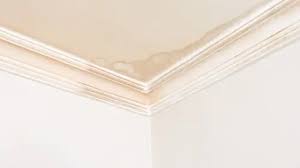
Early Signs You Should Not Ignore: Emergency Water Removal in Cocoa Beach After Roof Leaks
In Cocoa Beach, roof leaks don’t always show up as dramatic ceiling collapses.
More often, it starts small. A faint stain in the corner of the ceiling. A slight musty smell after a storm. A soft spot in the drywall near a window. Then another storm hits, and suddenly what looked minor becomes a full emergency water removal situation.
Living along the coast means dealing with heavy rain, wind-driven storms, salt exposure, and high humidity year-round. When a roof leak develops, water doesn’t just drip — it spreads, wicks, and lingers.
Here’s what homeowners in Cocoa Beach need to know about early warning signs and why fast emergency water removal matters.
Why Roof Leaks Are More Serious in Cocoa Beach
Coastal homes face unique challenges:
- Salt air accelerates flashing and fastener corrosion
- Wind-driven rain pushes water under shingles
- Flat or low-slope sections collect standing water
- High humidity slows drying
- Attics trap moist air after storms
Even a small roof penetration can allow water into insulation and framing. And in Florida’s climate, damp materials don’t dry quickly on their own.
What begins as a drip can turn into structural moisture damage within days.
Early Signs You Should Never Ignore
Many emergency water removal calls start with symptoms that were visible earlier — but seemed minor.
1. Ceiling Discoloration
Brown or yellow staining on ceilings is one of the first signs of roof intrusion.
Even if the stain looks dry:
- The insulation above may still be wet
- Framing could be absorbing moisture
- Water may be traveling laterally
Stains often appear far from the actual roof leak entry point.
2. Musty Odor After Rain
If your home smells damp or earthy after a storm, that’s a red flag.
Musty odor often indicates:
- Wet insulation in the attic
- Moist drywall
- Water trapped in wall cavities
- HVAC ducts pulling damp air
Odor is frequently the earliest signal of hidden moisture.
3. Bubbling or Peeling Paint
Paint that bubbles or separates near ceilings or upper walls may indicate water migrating behind drywall.
This usually means moisture has been present longer than expected.
4. Soft or Sagging Drywall
If the ceiling feels soft to the touch or appears slightly sagging, water saturation is likely ongoing.
At this stage, emergency water removal is often necessary to prevent collapse.
5. AC Odor or Increased Humidity
Roof leaks can raise indoor humidity levels.
If your AC smells musty when starting or struggles to maintain temperature, moisture may be circulating through the HVAC system.
In Cocoa Beach, high humidity amplifies this effect.
6. Wet Insulation in the Attic
After storms, attic inspections often reveal:
- Damp fiberglass insulation
- Darkened roof sheathing
- Moist framing near vent penetrations
Attic moisture spreads downward over time.
What Happens If You Wait
Delaying response can lead to:
- Mold growth within 24–48 hours
- Structural wood damage
- Ceiling collapse
- Electrical hazards
- Damaged flooring from vertical water migration
- HVAC contamination
In Florida’s climate, waiting rarely makes the problem smaller.
Step-by-Step Emergency Water Removal Process After Roof Leaks
When emergency service is needed, the process follows structured steps.
Step 1: Identify and Temporarily Stop the Leak
Roof repairs may require temporary tarping or sealing until permanent repairs can be made.
Stopping active intrusion is critical before drying begins.
Step 2: Moisture Detection and Mapping
Technicians assess:
- Ceiling cavities
- Wall sections below the leak
- Adjacent rooms
- Insulation saturation
- Flooring below
Water rarely stays directly beneath the leak.
Step 3: Removal of Saturated Materials
Depending on severity, this may include:
- Wet insulation removal
- Ceiling drywall removal
- Damaged trim
- Compromised flooring
Selective removal prevents trapped moisture.
Step 4: Structural Drying
Commercial drying equipment is deployed:
- Dehumidifiers
- Air movers
- Air scrubbers (when necessary)
Humidity control is especially important in Cocoa Beach due to coastal air.
Drying continues until moisture readings confirm safe levels.
Step 5: Cleaning and Prevention
After drying, surfaces are cleaned to reduce contamination risk.
HVAC systems may also require inspection if damp air circulated through ducts.
How Roof Leaks Affect HVAC Systems
In coastal homes, roof leaks often impact:
- Attic duct insulation
- Return air chases
- Air handler platforms
- Condensate systems
If the AC ran while insulation was wet, moisture may have spread beyond the original leak zone.
Ignoring HVAC involvement can cause recurring odor issues.
What Impacts Emergency Water Removal Costs
Costs vary based on:
- Size of affected area
- Duration of moisture exposure
- Attic involvement
- Structural damage extent
- HVAC contamination
- Reconstruction needs
Small, quickly addressed leaks are manageable.
Long-term hidden leaks become expensive structural repairs.
How to Reduce Roof Leak Damage in Cocoa Beach
Prevention steps include:
- Annual roof inspections
- Flashing and vent boot maintenance
- Prompt attic checks after storms
- Clearing gutters regularly
- Monitoring ceiling corners for early staining
- Maintaining indoor humidity below 55%
Coastal exposure requires more frequent inspection cycles.
Why Local Experience Matters
Roof leak behavior in Cocoa Beach differs from inland areas.
Local factors include:
- Salt corrosion
- Wind-driven rain patterns
- Elevated humidity
- Barrier island storm exposure
Homes in Cocoa Beach, Satellite Beach, Merritt Island, Melbourne, and Palm Bay share similar environmental pressures.
Palm Bay Mold Removal frequently handles post-storm emergency water removal throughout Brevard County, focusing on moisture stabilization before long-term repairs begin.
Because in coastal Florida, moisture spreads quietly — and quickly.
A Practical Next Step
If you notice ceiling stains, musty odors, or soft drywall after a storm, don’t assume it’s minor.
Emergency water removal isn’t about overreacting. It’s about preventing structural damage and mold growth before the situation escalates.
In Cocoa Beach’s humid climate, small roof leaks rarely stay small.
Early action keeps repairs manageable and protects your home long term.