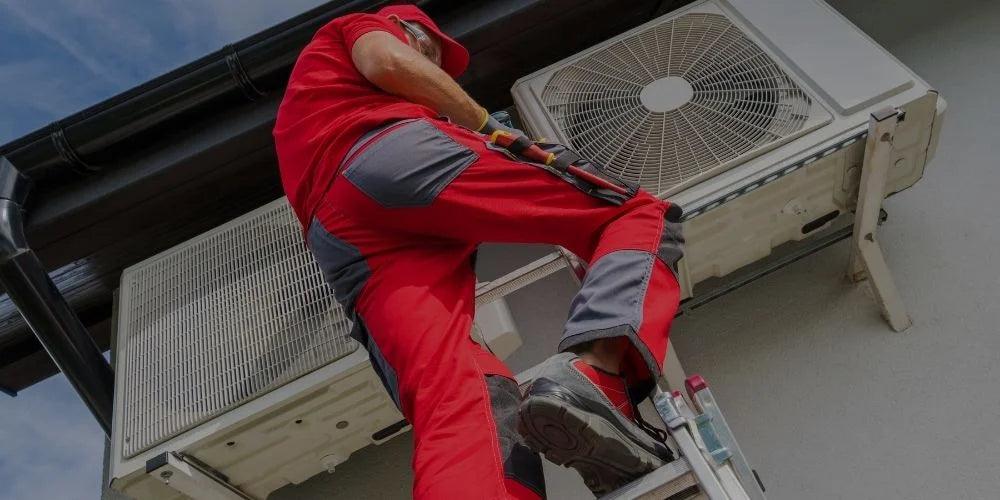
Early Signs You Should Not Ignore: AC Mold Cleaning in Palm Bay in Commercial Buildings
Air conditioning systems are essential for commercial buildings in Palm Bay. Offices, retail spaces, clinics, and mixed-use buildings depend on HVAC systems running most of the year to maintain comfort and humidity control. However, the same conditions that keep interiors cool—constant airflow, condensation, and humidity—can also create an environment where mold develops inside air handlers and duct systems.
Mold growth in commercial HVAC systems rarely appears overnight. In most cases, there are early warning signs that building owners and managers can catch before the problem spreads. Understanding these signs and acting quickly helps protect indoor air quality, reduce repair costs, and prevent larger remediation projects.
Why AC Mold Problems Are Common in Palm Bay
Palm Bay’s climate plays a major role in HVAC mold issues. Commercial buildings here face:
- High humidity levels for much of the year
- Frequent rainstorms and seasonal tropical weather
- Long AC operating cycles
- Warm temperatures that accelerate microbial growth
When condensation forms on coils and duct surfaces, moisture can linger if drainage or airflow is not ideal. Dust and organic particles inside ductwork then provide a surface where mold can develop.
Buildings throughout Palm Bay, Melbourne, West Melbourne, and nearby Merritt Island often experience similar HVAC moisture challenges, especially in structures that operate long hours or have older equipment.
Early Signs That Should Never Be Ignored
Recognizing early symptoms can prevent small HVAC mold problems from becoming widespread contamination.
Musty Odors When the AC Runs
One of the first and most common warning signs is a damp or musty smell that appears when the air conditioning system starts. This odor often comes from:
- Mold inside air handlers
- Moisture in duct insulation
- Debris buildup in drain pans
If the smell disappears when the system shuts off, it strongly suggests the HVAC system is the source.
Visible Dust or Dark Buildup Around Vents
Dark or sticky buildup around supply vents may indicate more than ordinary dust. In humid climates, dust can combine with moisture and microbial growth, creating buildup that spreads through airflow.
If vents require frequent cleaning or discoloration returns quickly, an inspection is usually recommended.
Increased Indoor Humidity
Commercial buildings with developing HVAC mold issues often experience humidity problems first. Signs include:
- Rooms feeling damp or sticky
- Condensation forming on vents or windows
- Employees or tenants adjusting thermostats frequently
Excess humidity not only encourages mold growth but also reduces comfort and system efficiency.
Uneven Cooling or Restricted Airflow
Mold and debris inside ductwork can restrict airflow, leading to uneven cooling in different areas of the building. Some rooms may feel warm while others remain cool.
Airflow issues can also be caused by duct leaks or mechanical problems, so inspection helps determine the exact cause.
Recurring Allergy-Like Complaints Indoors
While many factors affect indoor air quality, building occupants sometimes notice irritation, stale air, or discomfort in spaces where HVAC contamination is present.
When multiple occupants report similar concerns, it is often a sign that air circulation should be evaluated.
Hidden Areas Where Mold Develops in Commercial HVAC Systems
Mold in commercial buildings often forms in areas that are not visible during daily operations:
- Evaporator coils
- Condensate drain pans
- Inside ductwork
- Return air cavities
- Insulation around air handlers
Because these components are hidden, mold growth may continue for months before being discovered.
Regular inspection helps identify these issues early.
Why Ignoring Early Signs Can Lead to Larger Problems
When HVAC mold is left unaddressed, several issues can develop:
- Mold spreading through the duct system
- Persistent odors throughout the building
- Reduced HVAC efficiency
- Increased wear on equipment
- Higher maintenance and energy costs
In commercial buildings, delayed action can also disrupt operations if remediation becomes extensive.
Early cleaning and repairs are usually faster, less disruptive, and more cost-effective.
How Professional AC Mold Inspection Works
A proper HVAC mold inspection focuses on both contamination and moisture sources.
Typical steps include:
- Visual Inspection
Air handlers, coils, and accessible duct areas are checked for buildup, standing water, or staining. - Moisture and Humidity Evaluation
Technicians measure humidity levels and inspect drainage systems. - Drain Line and Pan Inspection
Clogged lines or damaged pans are common causes of moisture accumulation. - Airflow and Ventilation Assessment
Restricted airflow can cause condensation to remain longer on coils and duct surfaces.
This process helps determine whether cleaning alone is sufficient or if repairs are required.
The AC Mold Cleaning Process
When mold contamination is confirmed, cleaning is performed carefully to prevent spores from spreading.
Typical steps include:
- Cleaning coils and blower components
- Removing debris from accessible duct sections
- Cleaning and disinfecting drain pans
- Flushing condensate lines
- Drying components to prevent future growth
Containment methods may be used in commercial buildings to keep spores from spreading to occupied areas.
Cleaning restores airflow and helps eliminate odors caused by microbial buildup.
Repairs That Often Accompany Mold Cleaning
Mold in HVAC systems is usually a symptom of another issue. Repairs may include:
- Replacing damaged duct insulation
- Repairing drain lines or pans
- Sealing duct leaks
- Adjusting airflow or ventilation
Correcting these issues prevents mold from returning after cleaning.
Preventing AC Mold in Commercial Buildings
Preventive maintenance plays a major role in avoiding HVAC mold problems.
Building owners and managers can reduce risk by:
- Scheduling routine HVAC inspections
- Replacing filters regularly
- Keeping condensate lines clear
- Checking rooftop units after storms
- Monitoring indoor humidity levels
Routine maintenance is far less costly than large remediation projects.
Why Local Experience Matters
Commercial HVAC systems in Palm Bay operate under unique coastal conditions. Humidity, salt air, and long cooling seasons affect how moisture forms and where mold tends to develop.
Buildings in Palm Bay, Melbourne, Rockledge, and Satellite Beach often face similar challenges, but each property requires a tailored inspection and cleaning approach.
Companies familiar with local conditions—such as Palm Bay Mold Removal—understand how coastal weather affects HVAC systems and how to address mold issues efficiently without unnecessary disruption to business operations.
Local knowledge often leads to faster diagnosis and longer-lasting results.
A Practical Next Step for Building Owners
If you notice musty odors, humidity problems, or dust buildup near vents, scheduling an HVAC inspection is a sensible first step. Early detection allows minor contamination to be cleaned before it spreads through the system.
AC mold cleaning is most effective when combined with proper maintenance and moisture control. Addressing problems early helps protect indoor air quality, extend equipment life, and keep commercial spaces comfortable for employees and customers.