
Duct Cleaning Services in Palm Bay in Older Homes: Costs, Causes, and Solutions
Older homes in Palm Bay carry charm, history, and craftsmanship, but they also come with unique maintenance challenges—particularly when it comes to HVAC systems and air ducts. Over time, ductwork can accumulate dust, debris, allergens, and even mold, especially in Florida’s humid coastal climate. This can affect indoor air quality, increase energy costs, and contribute to health issues if left unaddressed.
For homeowners in Palm Bay, understanding why duct cleaning is important, what drives contamination in older homes, the costs involved, and professional solutions is essential to maintaining a safe and comfortable living environment. This guide covers everything property owners need to know.
Why Older Homes Have Duct Cleaning Needs
Older homes often have ductwork installed decades ago, before modern ventilation standards. Common characteristics include:
- Metal ducts with worn joints: Older metal ductwork can have small leaks that allow dust and moisture to enter.
- Flexible ducts with deterioration: Some vintage homes use flexible ducting that may tear or collapse over time.
- Limited access points: Cleaning becomes more challenging if duct design restricts reach.
- Poor insulation: Aging duct insulation can absorb humidity and encourage mold growth.
In Palm Bay’s humid climate, these conditions increase the likelihood of dust, pollen, and microbial buildup over time.
Common Causes of Duct Contamination
Several factors contribute to dirty or compromised ducts in older homes:
1. Accumulated Dust and Debris
Over the years, dust, pet hair, and other particles naturally accumulate in duct systems, particularly if air filters are infrequently replaced.
2. Moisture Intrusion
Florida’s high humidity, AC condensation, and roof leaks can introduce moisture into ducts. Even minor water intrusion may promote microbial growth.
3. Mold Growth
Mold spores thrive on moist surfaces inside ducts, especially in areas with poor airflow or condensation. Older homes with limited ventilation are particularly at risk.
4. Pests and Rodents
Rodents or insects can leave debris, droppings, or nesting material inside ducts, affecting air quality.
5. Inefficient HVAC Design
Ducts that were not properly sealed or sized can circulate contaminants more quickly and unevenly throughout the home.
Warning Signs That Duct Cleaning Is Needed
Homeowners in Palm Bay should be alert for these indicators:
- Musty or moldy odors: Often the first sign of microbial growth.
- Visible dust or debris near vents: Indicates heavy accumulation inside ductwork.
- Increased allergy or asthma symptoms: Poor indoor air quality can exacerbate respiratory issues.
- Uneven heating or cooling: Clogged ducts reduce airflow efficiency.
- Rodent or pest signs: Droppings or nesting materials near vent openings.
Identifying problems early allows for targeted cleaning and prevents larger issues.
The Process of Professional Duct Cleaning
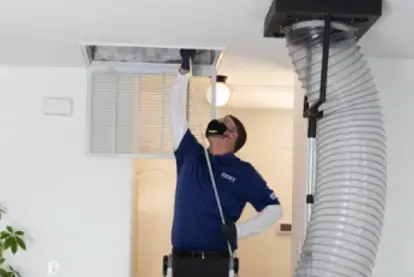
Professional duct cleaning ensures thorough removal of contaminants while protecting HVAC systems.
Step 1: Inspection
Technicians assess duct condition using:
- Visual inspection through vents
- Cameras or borescopes for inaccessible areas
- Moisture measurement and airflow testing
The inspection identifies problem areas, including mold, dust buildup, and structural damage.
Step 2: Containment
Plastic sheeting may be used in severe contamination cases to prevent dust or spores from spreading during cleaning.
Step 3: Debris Removal
High-powered vacuums, often with HEPA filtration, remove dust and debris from ductwork. Brushes or compressed air tools may loosen stubborn buildup.
Step 4: Mold or Microbial Treatment
If mold is present, professionals apply EPA-approved antimicrobial agents, ensuring spores are eliminated without damaging ducts.
Step 5: System Cleaning and Finishing
Registers, grilles, and HVAC components such as fans and coils are cleaned to ensure system-wide air quality improvements.
Step 6: Post-Cleaning Inspection
Technicians verify that ducts are clear, mold-free, and structurally sound.
Costs of Duct Cleaning in Older Homes
Pricing varies depending on factors like home size, duct condition, and extent of contamination:
- Average range: $300–$700 for typical single-family homes
- Additional mold remediation: $200–$600 depending on severity
- HVAC component cleaning: May be $100–$300 extra
- Attic or crawl space access issues: Can add $100–$250
Homes with complex layouts, extensive mold, or water-damaged ducts may fall at the higher end of the cost range. While some homeowners may consider DIY cleaning, professional services are generally more effective and safer.
Why DIY Duct Cleaning Often Fails
Many homeowners attempt to clean ducts themselves using vacuums or brushes. However, these methods are often inadequate because:
- Hard-to-reach areas remain contaminated
- Improper handling can dislodge dust into living spaces
- Mold may not be fully removed without professional-grade antimicrobial treatment
- HVAC components can be damaged if not handled correctly
Professional services ensure that contaminants are fully removed and the system is preserved.
Long-Term Solutions and Prevention
After cleaning, homeowners should implement measures to reduce future duct contamination:
1. Regular Filter Replacement
Change HVAC filters every 1–3 months with high-quality filters rated for dust and microbial control.
2. Control Indoor Humidity
Maintain humidity below 60% using dehumidifiers or your HVAC system’s settings to prevent mold growth.
3. Inspect for Leaks
Check duct joints and connections for air or moisture leaks and repair promptly.
4. Routine HVAC Maintenance
Annual servicing ensures efficient airflow and reduces contamination buildup.
5. Address Roof or Plumbing Leaks
Water intrusion from roofs or plumbing should be repaired immediately to prevent moisture from entering ductwork.
6. Consider UV Lights
Installing UV lights inside the HVAC system can inhibit microbial growth on coils and duct surfaces.
Health Benefits of Clean Ducts
Properly cleaned ducts improve indoor air quality, which benefits all occupants:
- Reduced allergens and dust
- Lower risk of mold-related respiratory issues
- Improved airflow and HVAC efficiency
- Less dust accumulation on furniture and surfaces
In older homes with long-standing ducts, these improvements can make a noticeable difference in comfort and health.
The Value of Local Expertise
Palm Bay’s coastal climate presents unique challenges, including high humidity, frequent storms, and aging home infrastructure. Local duct cleaning professionals understand:
- How AC condensation affects older homes
- Typical problem areas in crawl spaces and attics
- Best practices for microbial remediation in humid environments
Choosing a provider familiar with local conditions ensures effective and lasting results.
When to Schedule Professional Cleaning
Consider duct cleaning if:
- It has been over 3–5 years since the last service
- Musty odors or visible debris are present
- Residents experience new allergy or asthma symptoms
- Home recently experienced water intrusion or flooding
- HVAC performance has declined
Regular inspections and timely cleaning prevent larger issues and maintain system efficiency.
Conclusion
For older homes in Palm Bay, duct cleaning is more than a cosmetic improvement—it is a vital part of home maintenance, indoor air quality management, and mold prevention. Florida’s high humidity and frequent rainfall make proper ventilation and duct hygiene essential, especially in aging properties with long-standing HVAC systems.
Professional duct cleaning addresses accumulated dust, allergens, and microbial growth, improves air circulation, and safeguards the health of occupants. Combined with preventative measures—filter replacement, humidity control, leak repair, and routine HVAC maintenance—these services ensure older Palm Bay homes remain safe, comfortable, and efficient for years to come.
By understanding the causes, recognizing early warning signs, and investing in professional cleaning, homeowners protect both their property and the well-being of their families.