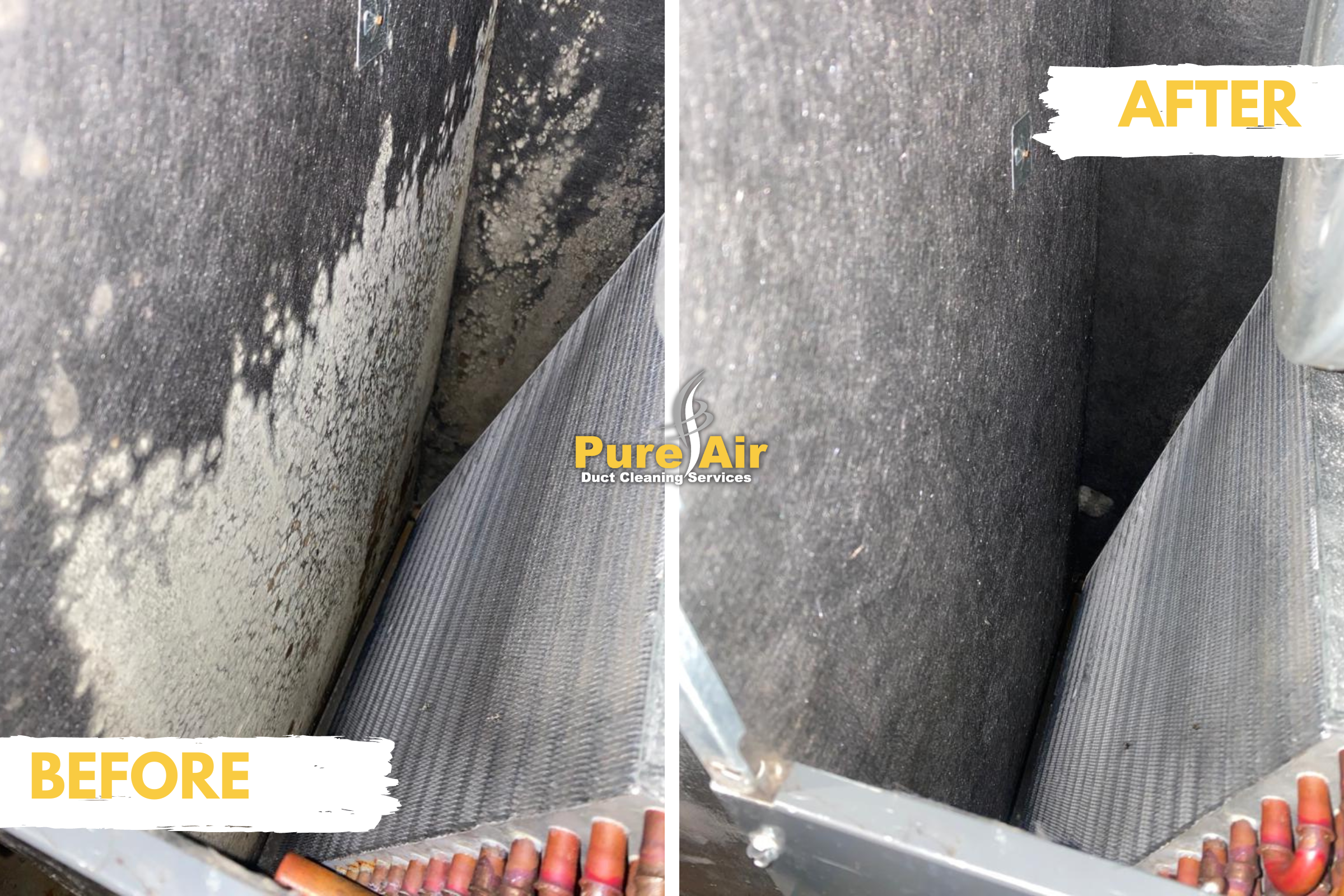
Duct Cleaning in Satellite Beach After Water Damage: Inspection and Repair Guide
Water damage in homes and commercial properties can have far-reaching effects, and one area often overlooked is the HVAC system. In Satellite Beach, coastal weather, heavy rainfall, and high humidity make duct cleaning and maintenance especially important after water intrusion. Water entering a home can infiltrate air ducts, creating ideal conditions for mold growth, bacteria proliferation, and lingering odors. Contaminated ducts can circulate spores and pollutants throughout the building, compromising indoor air quality and potentially causing health issues for occupants.
Understanding how to inspect, clean, and repair duct systems after water damage is essential for homeowners, landlords, and property managers in Satellite Beach. This guide provides a detailed overview, step by step, on duct cleaning and restoration after water damage, along with preventive strategies to protect property and indoor air quality.
How Water Damage Affects HVAC Systems
HVAC ducts and air handling units are typically hidden behind walls, in ceilings, or in crawl spaces. When water enters these areas, it can saturate duct insulation, lining, and metal surfaces. The result is an environment that supports:
- Mold and mildew growth on duct surfaces
- Spread of allergens and spores throughout the home
- Corrosion or damage to metal ductwork
- Malfunctioning HVAC components due to water exposure
- Stale, musty odors circulating through living spaces
Even minor water intrusion can have long-term impacts if ducts are not inspected and cleaned promptly.
Why Satellite Beach Homes Are Vulnerable
Satellite Beach homes face unique risks that make post-water-damage duct cleaning crucial:
- High Humidity: Florida’s year-round moisture encourages mold growth in ducts.
- Storms and Flooding: Coastal storms can damage roofs, windows, or plumbing, allowing water to enter duct systems.
- Older Duct Construction: Many homes have sheet metal or lined ducts that absorb moisture, especially in crawl spaces or attics.
- Poor Ventilation: Limited airflow in certain HVAC designs can trap humidity and debris.
- Proximity to Salt Air: Corrosion can worsen water-damaged ductwork, further impacting efficiency and air quality.
Nearby communities such as Rockledge, Palm Bay, and Merritt Island experience similar challenges, particularly after heavy storms or hurricanes.
Early Signs of Duct Contamination
Homeowners should watch for warning signs that indicate water damage has affected their HVAC systems:
- Musty or moldy odors when the system is running
- Visible mold on accessible duct surfaces
- Increased dust or allergens circulating in the home
- Uneven airflow or HVAC performance issues
- Signs of corrosion or water stains near vents or registers
- Water or condensation pooling near air handling units or duct connections
Even subtle signs warrant a professional inspection to prevent mold proliferation and maintain healthy indoor air quality.
Step 1: Professional Inspection
A thorough inspection is the first step after water damage. Professionals assess the extent of contamination and identify all areas affected. Inspection typically includes:
- Visual Examination: Check duct surfaces, insulation, registers, and air handlers for water exposure and mold growth.
- Moisture Detection: Use moisture meters and infrared cameras to detect damp areas within ducts and surrounding materials.
- Air Quality Testing: Measure spore counts and potential allergens in the system.
- Structural Assessment: Evaluate the ductwork for corrosion, warping, or compromised seals.
Inspection ensures that the cleaning process targets all affected areas and addresses the root causes of contamination.
Step 2: Containment
Preventing cross-contamination is crucial during duct cleaning:
- Seal off vents and doors leading to unaffected areas
- Use negative air pressure equipment to contain spores within the work area
- Install barriers around HVAC components being cleaned
- Utilize HEPA-filtered air scrubbers to capture airborne spores
Proper containment protects both the property and occupants from the spread of mold or debris during the cleaning process.
Step 3: Removal of Contaminated Materials
Some components of the HVAC system may need removal for proper cleaning:
- Duct Insulation: Saturated or moldy insulation often requires replacement.
- Registers and Grilles: Clean or replace if water-damaged or mold-affected.
- Air Handlers and Coils: Components exposed to water may need professional cleaning or part replacement.
Removing contaminated materials prevents spores from continuing to circulate after cleaning.
Step 4: Duct Cleaning and Treatment
Professional duct cleaning involves specialized equipment and techniques:
- HEPA Vacuuming: Removes loose debris, dust, and spores from duct surfaces.
- Brush Agitation: Mechanical brushes scrub the interior surfaces of ductwork to dislodge mold and dirt.
- Antimicrobial Application: Mold-specific cleaning solutions are applied to prevent regrowth.
- Airflow Testing: Ensures cleaned ducts allow proper circulation and ventilation.
Cleaning must address all parts of the system, including supply and return ducts, registers, and the air handling unit.
Step 5: Drying and Dehumidification
After cleaning, ducts and surrounding areas must be thoroughly dried:
- Use industrial dehumidifiers and fans to remove moisture
- Monitor humidity levels until ducts and materials reach safe thresholds
- Ensure attics, crawl spaces, and other surrounding areas are dry to prevent recontamination
Drying is critical, as residual moisture can quickly lead to renewed mold growth in the HVAC system.
Step 6: Repairs and Maintenance
Post-cleaning repairs help prevent future problems:
- Seal duct joints to prevent water intrusion
- Replace damaged insulation or duct segments
- Ensure condensate lines and drip pans function correctly
- Maintain proper ventilation and airflow throughout the system
Regular maintenance ensures the HVAC system continues to operate efficiently while maintaining indoor air quality.
Preventive Strategies for Future Water Damage
Property owners can reduce the risk of duct contamination after future water exposure:
- Inspect and maintain roofs, flashing, and plumbing to prevent leaks
- Install dehumidifiers in high-humidity areas such as basements and attics
- Schedule regular HVAC inspections, particularly before hurricane season
- Clean and replace filters regularly
- Ensure proper airflow and ventilation in crawl spaces and attics
Preventive measures safeguard indoor air quality and reduce the likelihood of costly remediation in the future.
The Role of Local Expertise
Satellite Beach homes face unique environmental and construction challenges. Local professionals understand:
- Seasonal rainfall and hurricane-related water intrusion
- Coastal building materials and common HVAC vulnerabilities
- Effective duct cleaning techniques tailored to Florida’s climate
- Long-term solutions to prevent mold growth and water damage
Companies like Palm Bay Mold Removal have experience in Satellite Beach, Merritt Island, Palm Bay, and surrounding communities, providing inspections, duct cleaning, and repairs designed for local homes.
Calm, Practical Steps for Homeowners
After water damage, homeowners should:
- Schedule a professional inspection of ducts and air handling units
- Contain and clean affected areas to remove debris and mold
- Replace or repair damaged ductwork, insulation, and HVAC components
- Dry and dehumidify ducts and surrounding areas thoroughly
- Implement preventive strategies for future storms, including maintenance and humidity control
Following this step-by-step guide ensures that homes in Satellite Beach remain safe, dry, and comfortable, maintaining indoor air quality and protecting both property and occupant health.
Proper duct cleaning and preventive maintenance after water damage not only restores HVAC functionality but also prevents mold, allergens, and structural damage, giving homeowners peace of mind in Florida’s challenging coastal environment.