
Costs, Causes, and Solutions: Water Damage Restoration in Satellite Beach in Rental Properties
Owning rental property in Satellite Beach comes with coastal advantages — strong demand, desirable location, and steady occupancy. It also comes with risk. Hurricanes, heavy rain, plumbing failures, and constant humidity create ongoing moisture pressure on residential structures.
When water damage occurs in a rental property, response time directly affects cost. Delays increase structural deterioration, extend tenant displacement, and raise restoration expenses. Understanding the causes, restoration process, and cost factors helps landlords make informed decisions.
This guide explains the most common causes of water damage in Satellite Beach rental homes, what professional restoration involves, and how property owners can reduce long-term expenses.
Why Rental Properties in Satellite Beach Face Higher Risk
Satellite Beach sits directly along Florida’s Atlantic coastline. Coastal exposure increases vulnerability to:
Hurricane-force winds
Storm surge
Wind-driven rain
Salt-air corrosion
High year-round humidity
Rental properties face additional challenges:
Tenant turnover
Inconsistent maintenance
Delayed reporting of minor leaks
Variable thermostat usage
Blocked drainage systems
Homes in nearby Cocoa Beach and Indian Harbour Beach face similar weather patterns, but occupancy changes in rental homes often create maintenance gaps that allow small problems to grow.
Common Causes of Water Damage in Rental Homes
Water damage rarely starts as a major flood. Often, it begins with small, unnoticed issues.
Common causes include:
Roof leaks after storms
Burst supply lines under sinks
Failed toilet seals
Washing machine hose failures
Clogged condensate drain lines
Sliding glass door leaks during heavy rain
In slab foundation homes, water may spread beneath flooring before becoming visible.
Identifying the source is essential before restoration begins.
Palm Bay Mold Removal frequently emphasizes correcting the moisture source before structural drying starts.
Immediate Steps After Water Damage Occurs
The first priority is stopping the water source.
Turn off water supply lines.
Repair plumbing failures.
Secure roof damage temporarily.
Clear clogged drains.
Once active intrusion stops, emergency water removal should begin immediately.
Every hour matters in Florida’s humid climate.
The Water Damage Restoration Process
Step 1: Emergency Water Extraction
Industrial-grade pumps and extraction equipment remove standing water quickly.
In rental homes, this may include:
Tile flooring
Carpeted bedrooms
Hallways
Garage areas
Rapid extraction reduces absorption into subfloors and framing.
Quick response limits long-term structural damage.
Step 2: Moisture Detection and Mapping
Water spreads beyond visible areas.
Professional moisture detection identifies dampness inside:
Drywall
Baseboards
Insulation
Subfloors
Ceiling cavities
Thermal imaging may reveal hidden water pockets.
Surface dryness does not guarantee structural dryness.
Mapping ensures all affected areas are addressed.
Step 3: Removal of Saturated Materials
Porous materials that cannot dry effectively may require removal.
These often include:
Carpet padding
Drywall sections
Insulation
Baseboards
Cabinet backing
Leaving saturated materials in place increases mold risk.
Removing compromised materials accelerates drying and reduces long-term cost.
Step 4: Structural Drying and Dehumidification
After extraction and material removal, controlled drying begins.
This involves:
Commercial dehumidifiers
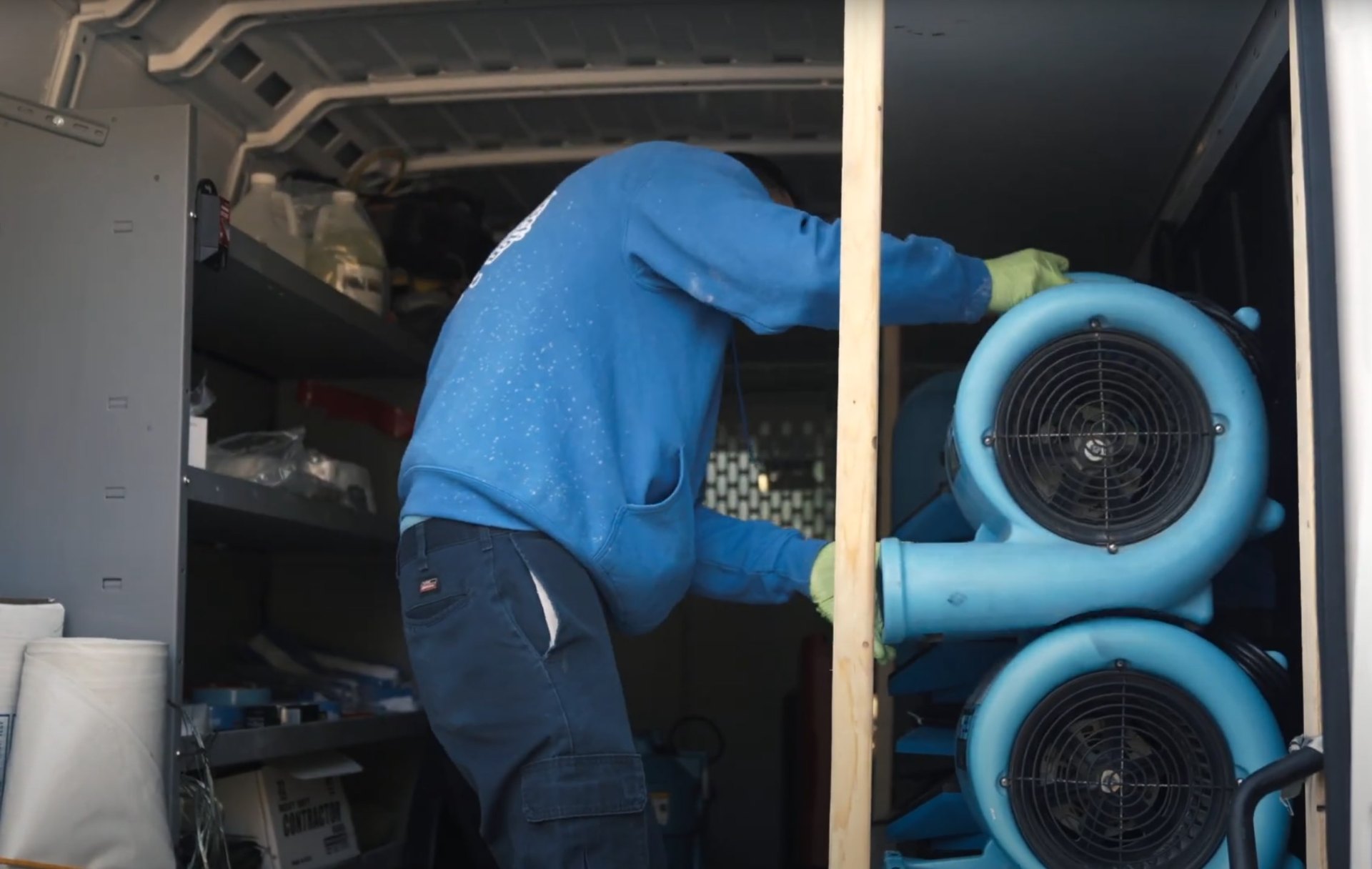
High-velocity air movers
Humidity monitoring
Airflow control
Satellite Beach’s coastal humidity slows evaporation.
Maintaining indoor humidity below 60 percent is critical.
Drying may take several days depending on severity.
Step 5: Cleaning and Sanitization
If floodwater was contaminated, additional cleaning measures may be necessary.
Storm surge or exterior intrusion may introduce debris and contaminants.
Cleaning stabilizes surfaces before reconstruction.
If mold is present, structured remediation may be required.
Understanding Restoration Costs
Costs vary based on several factors.
1. Size of Affected Area
Larger square footage increases equipment and labor requirements.
A single-room plumbing leak costs less than widespread hurricane intrusion.
2. Duration of Exposure
Water left standing for extended periods increases structural damage.
Longer exposure often leads to drywall and insulation replacement.
3. Type of Water
Clean water from a supply line differs from storm surge or contaminated floodwater.
Contaminated water requires more extensive cleaning and disposal.
4. Material Replacement Needs
Replacement of flooring, cabinetry, drywall, and trim increases total cost.
Rental properties with carpet may face higher replacement costs than tile-floored units.
5. Accessibility
Attic or crawl space moisture requires additional labor.
Second-story leaks affecting ceilings below also increase complexity.
Rapid response typically reduces total restoration expenses.
Mold Risk in Rental Properties
In Florida’s climate, mold can begin developing within 24 to 48 hours if materials remain damp.
Rental properties are especially vulnerable when tenants delay reporting moisture issues.
Preventative drying reduces the likelihood of mold remediation being required later.
Prompt action minimizes downtime and tenant displacement.
HVAC and Duct Considerations
Water damage may impact HVAC systems.
Inspection should include:
Clearing condensate drain lines
Replacing filters
Checking duct insulation
Ensuring airflow balance
Damp duct insulation can prolong humidity issues.
Maintaining airflow supports continued drying.
Long-Term Prevention Strategies for Landlords
Proactive maintenance reduces future restoration costs.
Inspect roofing annually.
Replace aging plumbing lines proactively.
Monitor indoor humidity levels.
Install water detection sensors under sinks and near water heaters.
Maintain gutter and drainage systems.
Inspect properties after major storms.
Encourage tenants to report leaks immediately.
Routine inspections between tenants help catch minor issues early.
Why Local Experience Matters
Satellite Beach rental homes face environmental pressures different from inland communities like Melbourne or West Melbourne.
Salt air accelerates material wear. Hurricanes increase intrusion risk. Coastal humidity slows drying.
Professionals familiar with Brevard County construction styles understand slab foundations, attic duct layouts, and common leak patterns in beachside properties.
Palm Bay Mold Removal has worked extensively throughout Satellite Beach and surrounding communities, addressing water damage issues specific to Florida’s coastal climate.
Protecting Your Rental Investment
Water damage restoration in Satellite Beach rental properties requires speed, structure, and moisture control.
Ignoring early signs increases costs, extends tenant vacancy, and raises the risk of mold.
By combining rapid extraction, thorough moisture detection, structured drying, and proactive maintenance, property owners can protect both property value and rental income.
In Florida’s humid coastal climate, fast response and consistent preventative care are the most effective ways to reduce long-term restoration expenses.