
Costs, Causes, and Solutions: Mold Testing in Merritt Island After Hurricanes
Hurricane season in Merritt Island brings heavy rain, strong winds, and prolonged humidity. Even when homes avoid major structural damage, moisture intrusion is common. Wind-driven rain can enter through small roof gaps, window seals, or soffit vents. Floodwater may reach garages or lower wall sections. In many cases, homeowners dry visible surfaces but don’t realize how far moisture has traveled.
In Florida’s warm, humid environment, mold can begin developing within 24 to 48 hours if materials remain damp. That’s where mold testing becomes important. After a hurricane, testing helps determine whether hidden moisture has turned into contamination — and whether remediation is necessary.
Understanding the causes, costs, and solutions associated with mold testing in Merritt Island can help homeowners make informed decisions after a storm.
Why Hurricanes Increase Mold Risk in Merritt Island
Merritt Island sits between the Indian River and the Banana River, surrounded by water. After hurricanes, the area often experiences:
Extended rainfall
Storm surge or tidal flooding
High groundwater levels
Prolonged humidity
Slow drying conditions
Even minor roof damage can allow moisture into attic insulation. If insulation becomes damp and ventilation is limited, mold growth may begin before interior staining appears.
Homes in nearby Cocoa and Cape Canaveral face similar storm exposure, but elevation and construction style influence how moisture spreads.
Hurricanes don’t always leave obvious flooding behind — sometimes they leave hidden dampness instead.
Common Causes of Mold After Hurricanes
Mold testing is often recommended when one or more of these conditions occur:
Roof leaks during heavy wind
Water intrusion around windows
Garage flooding
Overflowing drainage systems
Damp attic insulation
AC systems exposed to moisture
Delayed drying after minor flooding
In many homes, moisture remains trapped inside walls or ceiling cavities long after visible water is gone.
Testing confirms whether that moisture has resulted in contamination.
Early Warning Signs After a Hurricane
Homeowners in Merritt Island should watch for:
Musty odors days or weeks after the storm
Expanding ceiling stains
Peeling paint
Warped baseboards
Indoor humidity consistently above 60 percent
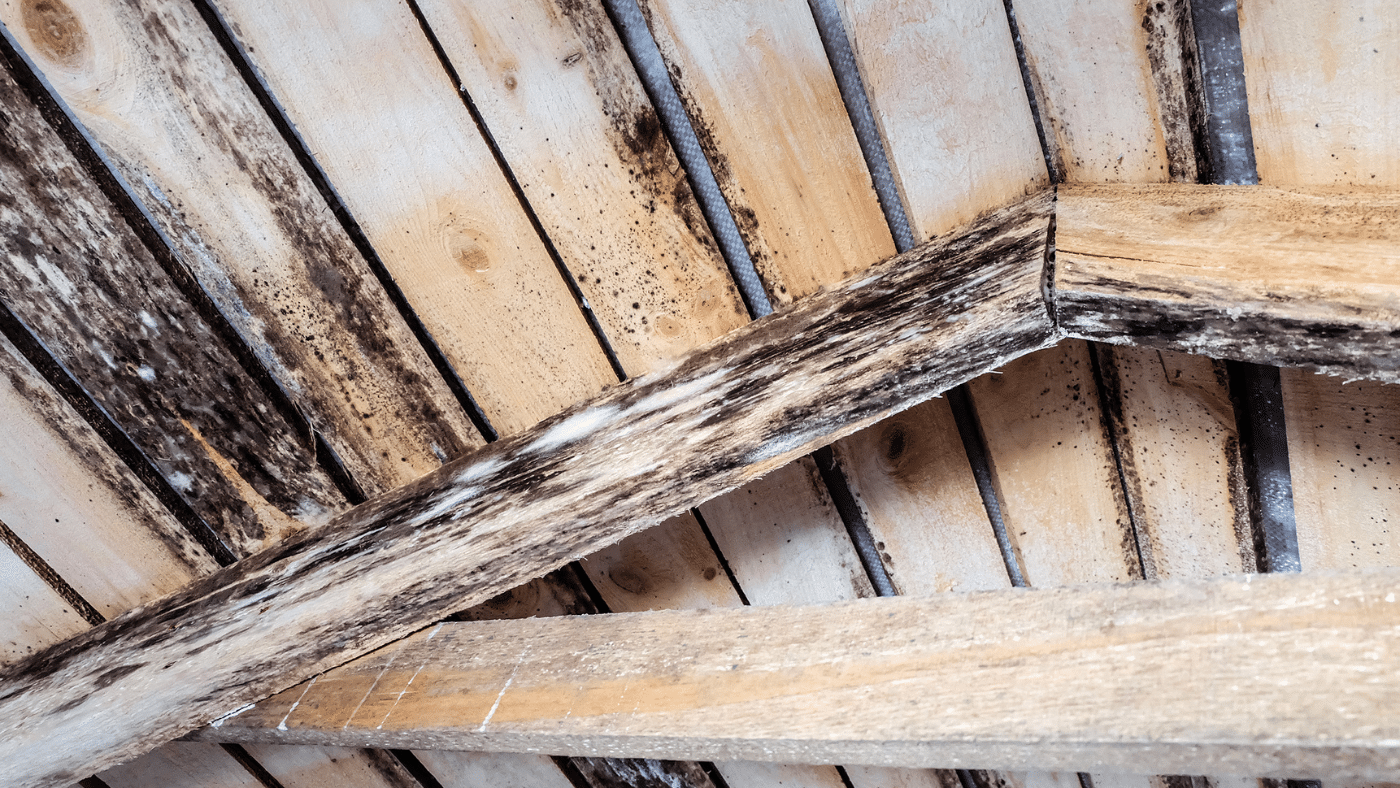
Dark streaks on attic roof decking
Sometimes odor is the first sign.
If the home feels damp despite surface drying, testing may be appropriate.
What Mold Testing Involves
Step 1: Visual Inspection and Moisture Detection
Testing begins with inspection.
Professionals evaluate:
Attic insulation
Roof decking
Ceilings and upper walls
HVAC systems
Baseboards and flooring
Moisture meters measure dampness inside drywall and framing.
Thermal imaging may identify hidden moisture pockets.
Testing should not begin until active leaks are repaired.
Palm Bay Mold Removal often begins hurricane-related testing in Merritt Island with a full moisture assessment before collecting samples.
Step 2: Air Sampling
Air samples are collected inside the home and compared to outdoor control samples.
This determines:
Whether indoor spore levels are elevated
If indoor air differs significantly from outside
Whether hidden mold may be present
Air sampling is especially helpful when no visible mold is found but odors persist.
Step 3: Surface Sampling
If visible staining is present, surface samples may be taken.
This identifies:
Whether staining is mold
The category of mold present
The extent of contamination
Not all discoloration after hurricanes is mold.
Testing provides confirmation.
Step 4: Laboratory Analysis
Samples are analyzed in a laboratory.
Reports typically include:
Spore counts
Indoor-to-outdoor comparisons
Types of mold detected
Elevated indoor levels may indicate the need for remediation.
Normal results provide reassurance.
Understanding Mold Testing Costs
Costs vary based on several factors.
1. Size of the Property
Larger homes require more inspection time and potentially additional sampling points.
2. Number of Samples Collected
More air or surface samples increase laboratory analysis costs.
Targeted sampling often reduces overall expense.
3. Extent of Moisture Involvement
If widespread dampness is present, additional testing may be recommended.
Early inspection usually keeps testing scope smaller.
4. Accessibility
Attics, crawl spaces, and vaulted ceilings require additional time for evaluation.
While testing involves an upfront cost, it can prevent unnecessary demolition or confirm that remediation is not needed.
Solutions After Mold Testing
If Results Are Normal
No remediation may be required.
Focus should remain on:
Humidity control
Ventilation improvement
Routine inspection
Monitoring indoor conditions prevents recurrence.
If Elevated Levels Are Found
Remediation may include:
Containment
Removal of contaminated materials
Cleaning and surface treatment
Controlled drying
Moisture sources must be corrected to prevent recurrence.
Testing results guide precise remediation plans.
Preventing Mold After Hurricanes
Merritt Island homeowners can reduce risk by:
Inspecting roofs immediately after storms
Checking attics for damp insulation
Monitoring indoor humidity
Flushing AC drain lines
Using dehumidifiers during extended humid periods
Addressing minor stains immediately
Routine storm-season inspection limits mold risk.
Early drying prevents larger restoration costs.
Why Local Experience Matters
Merritt Island homes range from older properties with limited ventilation to newer concrete block construction.
Florida’s coastal humidity and hurricane patterns create moisture behavior different from inland regions.
Professionals familiar with Brevard County construction understand attic layouts, slab foundations, and HVAC configurations common in Merritt Island neighborhoods.
Palm Bay Mold Removal has worked extensively throughout Merritt Island and surrounding communities, helping homeowners evaluate hurricane-related mold concerns.
Protecting Your Home After the Storm
Mold testing in Merritt Island after hurricanes provides clarity. It confirms whether hidden moisture has led to contamination and guides appropriate next steps.
Ignoring musty odors or minor ceiling stains can lead to larger structural repairs later.
By combining prompt roof repair, moisture detection, targeted testing, and preventative maintenance, homeowners can protect their properties effectively.
In Florida’s humid hurricane season, early mold testing remains one of the most reliable tools for preventing long-term damage.