
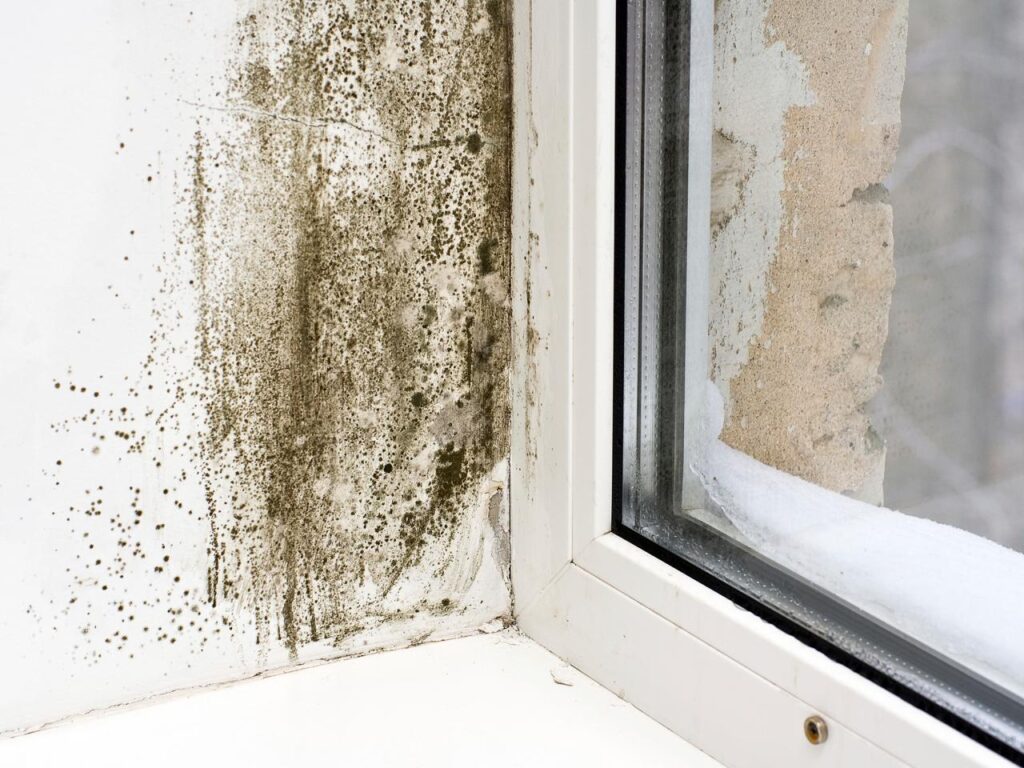
Costs, Causes, and Solutions: Mold Remediation in West Melbourne in Coastal Homes
Living in West Melbourne has its advantages — ocean air nearby, warm weather year-round, and coastal breezes that make evenings tolerable even in summer. But coastal living also comes with one stubborn issue: moisture.
And in Florida, moisture doesn’t stay harmless for long.
In West Melbourne and surrounding Brevard County communities like Melbourne, Palm Bay, Satellite Beach, and Cocoa Beach, mold problems in coastal homes follow very predictable patterns. Understanding the costs, causes, and solutions helps homeowners make calm, informed decisions instead of reactive ones.
Let’s break it down clearly.
Why Coastal Homes in West Melbourne Are More Vulnerable
Even though West Melbourne isn’t directly on the ocean, coastal humidity and salt-heavy air still influence building conditions.
Here’s what makes these homes more susceptible:
- High year-round humidity
- Heavy summer rain and hurricane exposure
- Wind-driven moisture intrusion
- AC systems running almost constantly
- Slab foundations that trap moisture at wall edges
- Attics exposed to extreme heat and humid air
Coastal air also accelerates corrosion. Metal fasteners, duct components, and certain building materials degrade faster, creating tiny gaps where moisture can enter.
Over time, these small vulnerabilities add up.
Common Causes of Mold in West Melbourne Coastal Homes
Mold in this area rarely comes from one dramatic event. It’s usually the result of repeated moisture exposure.
1. Storm and Hurricane Intrusion
Wind-driven rain enters through:
- Roof flashing gaps
- Soffit vents
- Window seals
- Sliding door tracks
Even minor roof leaks can saturate attic insulation and top wall plates.
2. HVAC Condensation Issues
Florida AC systems produce a lot of condensation. If:
- Drain lines clog
- Drain pans overflow
- Duct insulation sweats
- Air handlers are installed in garages
Moisture builds up quietly.
In coastal environments, salt corrosion can worsen HVAC component wear.
3. Slab Edge Moisture
Many West Melbourne homes sit on slab foundations. After heavy rain, soil saturation can cause moisture to wick into:
- Bottom drywall sections
- Baseboards
- Flooring edges
Homeowners often notice bubbling paint or swelling trim first.
4. Attic Humidity Traps
Attics here reach extreme temperatures. Poor ventilation combined with storm moisture leads to:
- Damp insulation
- Condensation on sheathing
- Dark spotting on framing
Attics are one of the most overlooked mold zones.
5. Plumbing Leaks
Under-sink drips, water heater leaks, and washing machine hose failures are common in newer coastal developments as well.
Early Warning Signs Homeowners Should Watch For
Mold rarely announces itself loudly at first.
Common signs in West Melbourne homes include:
- Persistent musty odor
- Warped baseboards
- Bubbling paint near floor lines
- AC smells when it starts
- Discoloration in ceiling corners
- Increased indoor humidity
- Cabinets swelling at the base
If the home feels humid despite the AC running normally, hidden moisture may be present.
What Mold Remediation Actually Involves
Remediation isn’t just spraying chemicals. Proper mold remediation in coastal homes follows a structured approach.
Step 1: Moisture Identification
Before removing mold, the moisture source must be identified.
This includes:
- Moisture meter readings
- Thermal imaging
- Attic inspection
- HVAC evaluation
- Exterior entry point assessment
Without correcting moisture, remediation fails long-term.
Step 2: Containment
Affected areas are isolated using containment barriers. This prevents contamination from spreading to unaffected rooms.
Step 3: Removal of Affected Materials
Porous materials that cannot be salvaged are removed, often including:
- Lower drywall sections
- Baseboards
- Wet insulation
- Damaged cabinet bases
Selective removal is key — not unnecessary demolition.
Step 4: Cleaning Structural Surfaces
Exposed framing and surfaces are cleaned using appropriate professional methods.
Step 5: Drying and Verification
Commercial dehumidifiers and air movers ensure materials reach proper dry levels before rebuilding begins.
Step 6: Repairs and Prevention Adjustments
Repairs are completed only after moisture control is verified.
Typical Mold Remediation Costs in West Melbourne
Costs vary depending on scope, but homeowners can expect ranges influenced by:
- Size of affected area
- Depth of moisture penetration
- Attic vs. interior wall involvement
- HVAC contamination
- Accessibility
- Reconstruction needs
General cost influences:
- Small localized area (under sink, small wall section): lower range
- Multiple rooms with drywall removal: mid-range
- Extensive attic and structural involvement: higher range
Homes closer to the coast sometimes require additional HVAC or attic work due to salt-related corrosion.
The most cost-effective remediation jobs are the ones caught early.
Waiting increases material damage and labor time.
Why DIY Mold Cleanup Often Fails in Coastal Homes
In West Melbourne’s humidity, DIY efforts usually fall short because:
- Bleach doesn’t penetrate porous materials effectively
- Painting over stains traps moisture
- Household dehumidifiers are underpowered
- HVAC systems continue circulating damp air
- Hidden attic moisture goes untreated
The issue isn’t just visible mold — it’s moisture behavior.
Solutions That Prevent Recurrence
Long-term mold prevention in coastal homes requires moisture management, not just cleaning.
Improve Attic Ventilation
Proper airflow reduces condensation buildup.
Maintain HVAC Systems
- Clear drain lines regularly
- Inspect duct insulation
- Seal return plenums
Control Indoor Humidity
Maintain levels below 55% using AC and dehumidifiers if needed.
Seal Exterior Penetrations
Regularly inspect caulking around:
- Windows
- Doors
- Roof penetrations
- Cable lines
Replace Compromised Materials Promptly
Wet insulation and saturated drywall should not remain in place.
Why Local Experience Matters
Mold remediation in Arizona is not the same as remediation in West Melbourne.
Coastal Florida homes deal with:
- Salt air corrosion
- Persistent humidity
- Frequent storms
- Slab foundation moisture behavior
- Garage-installed HVAC systems
Professionals who work consistently in West Melbourne, Melbourne, Palm Bay, Satellite Beach, Merritt Island, and Titusville understand these patterns.
Palm Bay Mold Removal regularly handles remediation in these coastal-influenced neighborhoods, focusing on moisture correction first and mold removal second.
Because in Florida, moisture always wins if it isn’t managed correctly.
A Calm, Practical Next Step
If you suspect mold in your West Melbourne coastal home, start with moisture evaluation. That determines whether remediation is necessary and how extensive it needs to be.
Not every musty smell means major demolition.
But ignoring persistent moisture often leads to more expensive structural repairs later.
Coastal living requires proactive moisture control.
Handled correctly, mold remediation becomes a manageable project — not a crisis.