
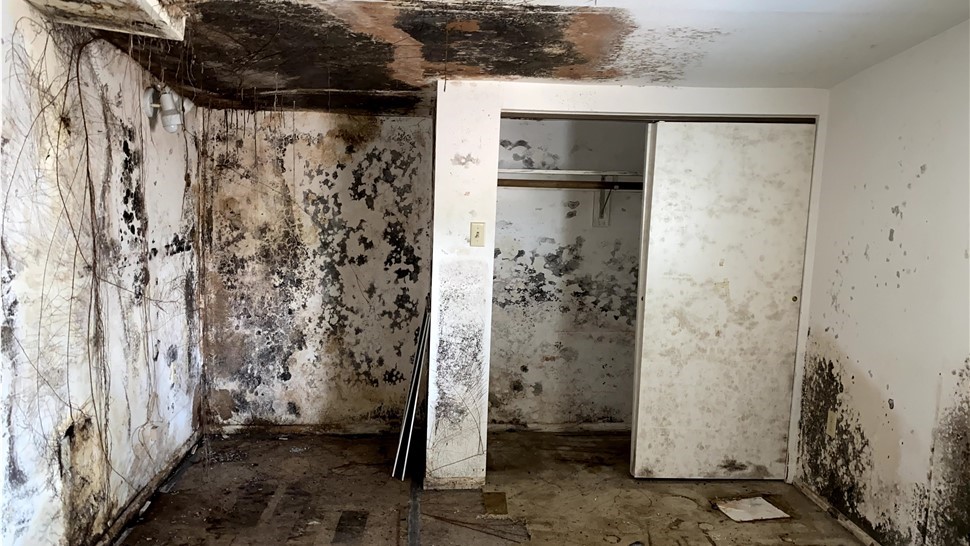
Costs, Causes, and Solutions: Mold Remediation in Melbourne in Coastal Homes
Living in Melbourne has its advantages — ocean access, coastal breezes, and year-round warmth. But coastal living also brings one ongoing challenge: moisture. In homes near the Atlantic, humidity is not seasonal. It’s constant. And when moisture lingers inside walls, attics, or HVAC systems, mold becomes a real concern.
Mold remediation in Melbourne coastal homes isn’t just about cleaning visible spots. It’s about identifying moisture sources, understanding how coastal conditions contribute to growth, and correcting the environment so the issue doesn’t return.
This guide explains the common causes of mold in Melbourne’s coastal properties, what influences remediation costs, and the solutions that protect homes long-term.
Why Coastal Homes in Melbourne Face Higher Mold Risk
Melbourne’s proximity to the ocean means homes experience:
High year-round humidity
Salt air exposure
Frequent rainstorms
Hurricane activity
Long air conditioning cycles
Salt air accelerates material wear. Flashing, window seals, and exterior fasteners can deteriorate faster than in inland areas. Small gaps allow moisture intrusion during storms.
In addition, coastal humidity slows natural drying. Even minor leaks can create persistent dampness inside walls and attics.
Homes in nearby Indialantic and Satellite Beach face similar conditions, but elevation, roof style, and ventilation design influence how moisture spreads.
Common Causes of Mold in Melbourne Coastal Homes
1. Roof Leaks
High winds and heavy rain can loosen shingles or damage flashing. Even small roof failures allow moisture into attic insulation and roof decking.
Trapped attic moisture often leads to mold before interior staining appears.
2. Poor Ventilation
Insufficient attic airflow traps humid air inside the home. When warm, moist air meets cooler surfaces, condensation forms.
Over time, condensation creates damp conditions behind drywall and around ductwork.
3. AC Condensation Issues
Long cooling seasons increase condensation inside HVAC systems.
Clogged condensate drain lines, rusted drain pans, or restricted airflow can allow moisture to accumulate.
If duct insulation becomes damp, mold growth may develop inside the system.
4. Plumbing Leaks
Slow supply line leaks under sinks or slab leaks beneath flooring may go unnoticed for weeks.
In Florida’s humid environment, damp materials don’t dry quickly.
5. Flooding and Storm Intrusion
Coastal storms may cause water intrusion through windows or low-lying entry points.
Even shallow flooding can saturate drywall and insulation.
Early Signs of Mold You Should Not Ignore
Coastal homeowners often notice subtle changes first:
Musty odors
Dark spots along drywall seams
Peeling paint
Warped baseboards
Ceiling staining
Persistent indoor humidity above 60 percent
Mold does not always grow in visible areas. Odor may be the first sign.
Prompt inspection prevents larger remediation projects.
Palm Bay Mold Removal frequently evaluates Melbourne homes where early odor complaints led to discovering hidden attic or HVAC moisture.
Understanding Mold Remediation Costs
Costs vary based on several key factors.
1. Size of the Affected Area
Small localized growth in one room costs less than contamination spanning multiple levels.
Widespread attic mold increases labor and material removal.
2. Location and Accessibility
Attic mold remediation requires additional containment and access planning.
Slab-related moisture inside walls increases complexity.
Hard-to-reach crawl spaces or vaulted ceilings increase labor time.
3. Extent of Material Removal
If drywall, insulation, or flooring must be removed, costs increase.
Early detection often limits the need for extensive demolition.
4. HVAC Involvement
If contamination spreads into duct systems, cleaning or insulation replacement may be necessary.
Addressing HVAC components increases total remediation scope.
5. Moisture Source Correction
Roof repairs, ventilation upgrades, or plumbing fixes add to total cost — but they prevent recurrence.
While remediation costs vary, early intervention significantly reduces overall expense.
The Mold Remediation Process
Step 1: Moisture Source Identification
Before cleaning begins, the moisture source must be corrected.
This may involve:
Roof repair
Flashing replacement
Drain line clearing
Ventilation improvement
Plumbing repair
Without moisture correction, mold will return.
Step 2: Containment
Plastic barriers isolate affected areas.
Negative air machines maintain controlled airflow.
HEPA filtration captures airborne particles.
Containment protects unaffected areas of the home.
Step 3: Removal of Contaminated Materials
Porous materials that cannot be cleaned may require removal.
These often include:
Drywall
Insulation
Carpet padding
Selective removal limits overall repair costs.
Step 4: Cleaning and Surface Treatment
Structural components are cleaned using HEPA vacuuming and targeted cleaning methods.
This removes residual contamination.
Odors often improve significantly after cleaning.
Step 5: Controlled Drying
Dehumidifiers and air movers stabilize humidity levels.
Indoor humidity should remain below 60 percent.
Moisture readings confirm structural stability before reconstruction.
Preventing Mold in Coastal Homes
Melbourne homeowners can reduce future mold risk by:
Inspecting roofs annually
Maintaining attic ventilation
Replacing HVAC filters regularly
Flushing condensate drain lines
Monitoring indoor humidity
Using dehumidifiers during humid months
Addressing minor leaks immediately
Routine inspection prevents small moisture issues from becoming structural problems.
Why Local Experience Matters
Melbourne coastal homes vary widely in design — from older beach cottages to newer concrete block construction.
Florida’s coastal humidity creates moisture behavior different from inland regions.
Professionals familiar with Brevard County housing styles understand roof vulnerabilities, slab behavior, and HVAC configurations common in Melbourne neighborhoods.
Palm Bay Mold Removal has worked extensively throughout Melbourne and surrounding communities, addressing mold remediation challenges specific to Florida’s coastal climate.
Protecting Your Coastal Investment
Mold remediation in Melbourne coastal homes requires more than surface cleaning. It demands moisture correction, containment, controlled drying, and long-term prevention planning.
Ignoring early signs such as musty odors or minor ceiling stains increases overall repair costs.
By combining structured inspection, targeted remediation, ventilation improvements, and preventative maintenance, homeowners can protect their properties effectively.
In Florida’s humid coastal environment, early action remains the most reliable way to reduce remediation costs and prevent recurring mold issues.