Costs, Causes, and Solutions: Duct Cleaning in Cocoa Beach After Plumbing Leaks
Plumbing leaks in Cocoa Beach can create hidden moisture problems that significantly affect HVAC systems and indoor air quality. Water seeping into walls, ceilings, or floors can enter ductwork, promoting the growth of mold, mildew, and accumulated debris. Over time, this reduces HVAC efficiency, circulates allergens throughout the home, and can even damage structural materials.
Building on lessons from Satellite Beach duct cleaning in residential homes, this guide provides a detailed overview of duct cleaning after plumbing leaks in Cocoa Beach. It covers causes, warning signs, inspection processes, professional cleaning methods, costs, preventive strategies, and the benefits of maintaining clean ductwork.
Understanding Plumbing Leak-Related Duct Contamination
Plumbing leaks can occur anywhere in a home: beneath sinks, behind walls, or in ceilings. When leaks persist, water can enter HVAC duct systems, creating conditions favorable for debris and microbial growth. Key causes include:
- Leaky pipes: Corroded or damaged pipes allow water to seep into nearby walls or floors.
- Faulty connections: Loose fittings or worn-out seals in plumbing systems can cause minor but persistent leaks.
- Water heater issues: Tank leaks or condensation can drip onto ducts or attic spaces containing HVAC components.
- Condensation from AC units: Poorly maintained condensate lines can add to water accumulation.
- Flooding or roof leaks affecting plumbing areas: Storm damage can exacerbate water intrusion.
Once moisture reaches ductwork, it can lead to mold, mildew, dust accumulation, and corrosion of metal components, reducing system efficiency and indoor air quality.
Common Warning Signs That Duct Cleaning Is Needed
Homeowners should look for these indicators after plumbing leaks:
- Musty or damp odors coming from vents or registers
- Visible mold or mildew inside ducts or around registers
- Water stains or discoloration on ceilings, walls, or vent covers
- Reduced airflow or unusual HVAC noises
- Increased allergy or respiratory symptoms among residents
- Damp insulation around ducts or air handlers
Early recognition of these signs allows for timely intervention and prevents long-term damage.
Step 1: Professional Inspection
A comprehensive duct inspection identifies moisture intrusion and contamination. Professionals typically perform:
Visual Assessment
Technicians examine accessible ductwork, air handlers, vents, and surrounding areas for water damage, debris, or mold.
Moisture Measurement
Infrared cameras, hygrometers, and moisture meters detect hidden dampness inside ducts, walls, or ceilings.
Air Quality Testing
Air sampling identifies microbial spores, allergens, and dust levels, guiding the cleaning process.
Documentation
Inspection reports detail the condition of the duct system, affected areas, and recommended cleaning or remediation steps. This documentation is useful for insurance claims and long-term maintenance planning.
Step 2: Containment and Safety Precautions
Professional duct cleaning after plumbing leaks requires proper containment:
- Seal vents and openings to prevent debris from spreading to living spaces
- Cover or move furniture near HVAC components
- Technicians wear gloves, masks, and protective clothing
- Turn off HVAC systems during cleaning to prevent circulation of contaminants
These measures ensure safety and efficiency throughout the cleaning process.
Step 3: Duct Cleaning Process
Professional duct cleaning involves multiple steps to remove accumulated debris and microbial contamination:
Vacuuming and Debris Removal
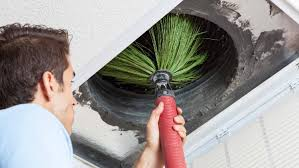
High-powered vacuums remove dust, dirt, and debris from duct interiors. Brushes and agitation tools may be used to loosen stubborn buildup.
Cleaning Air Handlers and Coils
Evaporator and condenser coils are cleaned to eliminate trapped moisture, dust, or microbial growth.
Mold and Mildew Treatment
If water intrusion from plumbing leaks caused mold or mildew, antimicrobial solutions are applied to duct surfaces to eliminate spores and prevent recurrence.
Registers and Vent Cleaning
Vents, grills, and registers are cleaned to restore airflow and prevent the spread of dust or spores throughout the home.
Final Inspection
A post-cleaning assessment ensures ducts are free from debris, moisture is eliminated, and HVAC systems are functioning efficiently.
Hidden Areas That Often Require Attention
Plumbing-related water damage can affect concealed parts of the HVAC system:
- Flexible ducts in crawl spaces, attics, or behind walls
- Air handling units and fan coils accumulating moisture
- Condensate pans and drain lines
- Insulated ducts prone to water absorption
Professional equipment like moisture meters, infrared cameras, and mechanical agitation tools are essential to reach and clean these hidden areas effectively.
Health Implications of Contaminated Ducts
Water-contaminated ductwork can negatively impact indoor air quality and health:
- Circulation of mold spores, dust, and allergens
- Respiratory issues including coughing, sneezing, or asthma flare-ups
- Musty odors that reduce comfort
- Prolonged exposure aggravating chronic respiratory conditions
Professional duct cleaning after plumbing leaks ensures safe, clean air throughout the home.
Costs of Duct Cleaning After Plumbing Leaks
The cost of professional duct cleaning depends on several factors:
- Home size and complexity of duct layout
- Extent of contamination or mold growth
- Accessibility of affected ducts
- Additional services such as coil cleaning or antimicrobial treatments
Typical duct cleaning costs range from $300–$800 for standard residential systems. Additional treatments for mold remediation or extensive water damage may raise costs to $1,500–$3,000. Early inspection and cleaning help minimize both damage and expenses.
Preventive Measures for Homeowners
Preventing duct contamination from plumbing leaks involves proactive maintenance:
- Inspect plumbing regularly for leaks, corrosion, or faulty connections
- Repair leaks promptly to prevent water intrusion into ducts
- Ensure proper drainage around water heaters, sinks, and bathrooms
- Maintain HVAC systems, including cleaning coils, drip pans, and vents
- Use dehumidifiers in high-humidity areas such as attics or crawl spaces
- Replace HVAC filters every 1–3 months
- Schedule regular duct inspections, particularly after leaks or water damage
These preventive steps maintain clean ductwork, improve indoor air quality, and protect HVAC efficiency.
Why Local Expertise Matters
Cocoa Beach’s coastal climate, high humidity, and frequent storms create specific challenges for maintaining ductwork. Local professionals understand:
- Seasonal rainfall patterns and humidity trends
- Typical construction materials and HVAC designs in Cocoa Beach homes
- Effective inspection, cleaning, and microbial treatments
- Preventive strategies tailored to local environmental conditions
Companies like Palm Bay Mold Removal provide local expertise, advanced cleaning equipment, and comprehensive services to protect homes from water-related duct contamination.
Practical Steps for Homeowners
- Monitor ductwork and vents for early signs of water or mold.
- Schedule professional inspection after plumbing leaks or water intrusion.
- Contain the affected area to prevent debris spread.
- Clean ducts, vents, and air handlers using professional equipment.
- Apply antimicrobial solutions if mold or mildew is present.
- Dry all affected areas thoroughly to prevent recurring moisture issues.
- Maintain HVAC system through seasonal inspections, filter replacement, and coil cleaning.
- Implement preventive measures including dehumidifiers, improved insulation, and timely plumbing maintenance.
These steps ensure healthy air quality, protect the home’s HVAC system, and minimize long-term repair costs.
Final Thoughts
Duct cleaning in Cocoa Beach after plumbing leaks is essential for maintaining indoor air quality, preventing mold growth, and ensuring HVAC efficiency. Professional inspection, cleaning, and preventive strategies address both visible and hidden contamination, protecting the health of occupants and the integrity of the home.
Building on lessons from Satellite Beach residential duct cleaning, homeowners can see the value of early detection, local expertise, and proactive maintenance. By investing in professional duct cleaning and ongoing preventive care, Cocoa Beach residents can maintain safe, healthy, and comfortable homes year-round.