
Costs, Causes, and Solutions: Carpet Cleaning After Flooding in West Melbourne After Roof Leaks
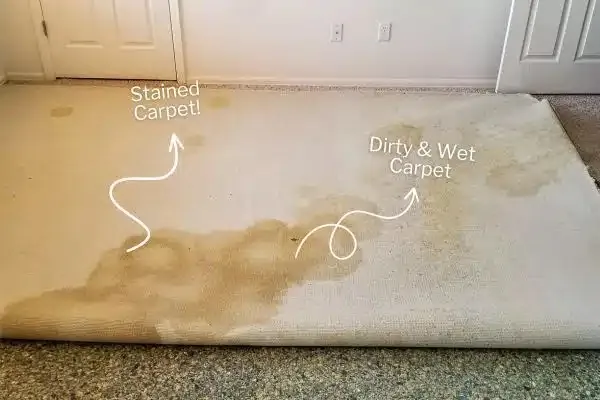
Homes in West Melbourne are particularly susceptible to water damage from roof leaks, especially during heavy seasonal rains and storms. Flooded carpets not only create an immediate inconvenience but can also lead to mold growth, unpleasant odors, and long-term structural damage if not addressed promptly. For homeowners, understanding the costs, causes, and professional solutions is essential to protecting both property and health.
This guide is tailored for West Melbourne homeowners, landlords, and property managers. It explains why carpets flood after roof leaks, identifies early warning signs, outlines professional cleaning and restoration processes, and provides preventive measures to reduce future risks.
Understanding Carpet Flooding After Roof Leaks
When a roof develops leaks, rainwater can infiltrate living spaces, soaking carpets and padding. Even small leaks can cause localized water damage that may go unnoticed for days, allowing moisture to penetrate subfloors and baseboards. Carpet flooding is particularly problematic because:
- Carpets and padding absorb large amounts of water quickly.
- Moisture trapped beneath the carpet creates an ideal environment for mold and bacteria.
- Extended exposure can damage flooring materials, subflooring, and structural supports.
- Homeowners risk unpleasant odors and compromised indoor air quality.
Prompt action is critical to minimize damage and reduce restoration costs.
Common Causes of Carpet Flooding in West Melbourne
Several factors contribute to carpet flooding in local homes:
- Roof Damage: Missing shingles, deteriorated flashing, or clogged gutters can allow water into the home.
- Heavy Seasonal Rain: West Melbourne experiences frequent storms that can overwhelm older roofing systems.
- HVAC and AC Condensation Issues: Condensation from air conditioning systems can seep into flooring if drainage is blocked.
- Plumbing Leaks: Leaking pipes near or under carpeted areas may saturate flooring unnoticed.
- Slab Foundation Homes: Water can seep into lower-level carpets during heavy rains or if the slab develops cracks.
Understanding these causes helps homeowners address both immediate damage and prevent recurrence.
Signs That Carpet Cleaning Is Necessary
Homeowners should be alert for the following indicators after a roof leak:
- Visible wet spots or pooling water on carpeted areas
- Persistent musty or moldy odors
- Stains or discoloration from water exposure
- Warped or buckled flooring
- Mold growth along baseboards or under carpet edges
- Increased allergy or respiratory symptoms among occupants
Recognizing these signs early allows for timely professional intervention.
Hidden or Overlooked Sources of Moisture
Water damage from roof leaks often extends beyond visible carpet flooding:
- Under Carpet Padding: Water can saturate padding and subflooring, leading to hidden mold growth.
- Subflooring and Floor Joists: Moisture trapped beneath the carpet may weaken structural components.
- Adjacent Walls and Baseboards: Water may wick up walls, affecting drywall and paint.
- HVAC and Ductwork: Leaks near ducts can spread moisture to hidden areas.
Professional inspections are necessary to locate these hidden sources and prevent long-term damage.
Why DIY Carpet Cleaning Often Fails
Homeowners may attempt to clean flooded carpets using household vacuums or mops. While this may remove surface water, DIY methods often fail to:
- Extract water from carpet padding and subflooring
- Fully dry the affected area to prevent mold growth
- Treat microbial contamination
- Restore the carpet’s original texture and appearance
Without professional equipment and expertise, water damage may persist, leading to mold, odors, and structural issues.
Professional Carpet Cleaning & Flood Restoration Process
Professional carpet cleaning after flooding involves a structured, multi-step approach:
Step 1: Assessment and Inspection
- Technicians evaluate the extent of water damage, including carpet, padding, subflooring, and adjacent walls.
- Moisture meters and thermal imaging may identify hidden damp areas.
- Determination is made whether carpet can be salvaged or needs replacement.
Step 2: Water Extraction
- High-powered extraction equipment removes standing water from carpets and padding.
- Multiple passes ensure maximum water removal, reducing drying time and preventing mold growth.
Step 3: Cleaning and Disinfection
- Carpets are treated with professional-grade cleaning solutions to remove dirt, contaminants, and potential microbial growth.
- Antimicrobial agents are applied to reduce the risk of mold and bacteria.
Step 4: Drying & Dehumidification
- Industrial air movers and dehumidifiers circulate air and remove residual moisture from carpet, padding, and subflooring.
- Continuous monitoring ensures all areas are thoroughly dry.
Step 5: Restoration
- Damaged carpet, padding, or subflooring is replaced if necessary.
- Carpet may be groomed and sanitized to restore its appearance.
- Property is inspected to ensure all moisture has been addressed.
Costs of Carpet Cleaning After Flooding
Costs vary depending on the severity of water damage, square footage, and extent of professional services required. Typical factors influencing cost include:
- Size of affected area
- Type of carpet and padding
- Presence of mold or microbial contamination
- Accessibility of affected areas (e.g., multi-story homes, crawl spaces)
- Additional services such as subfloor repair or antimicrobial treatments
Professional assessments provide homeowners with an accurate estimate, helping them plan for timely restoration.
Preventive Measures for West Melbourne Homes
- Roof Maintenance: Inspect roofs regularly for missing shingles, damaged flashing, or clogged gutters.
- Prompt Leak Repair: Address any leaks immediately to prevent carpet flooding.
- Proper HVAC Maintenance: Ensure condensation lines are clear and AC systems are functioning efficiently.
- Install Moisture Barriers: In areas prone to leaks, consider waterproofing or moisture-resistant subflooring.
- Routine Carpet Cleaning: Schedule professional cleanings to maintain carpet condition and prevent long-term damage.
Preventive strategies reduce the risk of flooding, mold growth, and costly repairs.
Why Local Experience Matters
West Melbourne homes are exposed to Florida’s unique environmental conditions:
- High humidity and frequent rainfall
- Older roofing systems prone to leaks
- Coastal storms that increase water intrusion risk
- AC condensation issues contributing to localized flooding
Local professionals understand these conditions and can tailor carpet cleaning and flood restoration to protect homes effectively.