Complete Guide for Homeowners: Mold Testing in West Melbourne After Storm Damage
Storm season in West Melbourne is something every homeowner gets used to—but what often catches people off guard is what happens after the storm passes. Heavy rain, roof leaks, and water intrusion can leave behind moisture in walls, flooring, and ductwork. Even when everything looks dry on the surface, hidden damp areas can turn into mold problems surprisingly fast.
Across West Melbourne, Palm Bay, and nearby communities like Rockledge, Melbourne, and Satellite Beach, many mold issues begin days or weeks after storm damage—not during the storm itself. Knowing how mold testing works and when it’s necessary helps homeowners stay ahead of costly repairs.
What Mold Testing After Storm Damage Really Means
After a storm, moisture can settle into structural materials that don’t dry quickly, including:
- Drywall and insulation
- Wood framing
- Subflooring
- Cabinets and baseboards
- Air ducts and attic insulation
Mold testing helps determine whether mold growth has begun, even when it isn’t visible yet. It’s especially useful when there are lingering odors, humidity issues, or areas that stayed wet for more than a day or two.
Testing isn’t just about confirming mold—it’s about understanding the extent of moisture impact and whether remediation is necessary.
Why Storm Damage Leads to Mold So Often in West Melbourne
West Melbourne homes are particularly vulnerable after storms for several reasons:
- High humidity slows drying
- Warm temperatures accelerate mold growth
- Wind-driven rain enters small openings
- Roof or flashing damage allows hidden leaks
- AC systems run continuously, pulling moist air indoors
Homes in Merritt Island, Cocoa Beach, and Titusville often experience similar conditions, especially during hurricane season when moisture levels stay high for days at a time.
Even minor storm damage can allow water into wall cavities or attics, where mold can begin developing without obvious signs.
Warning Signs Homeowners Should Watch For
After a storm, many homeowners focus on visible damage but overlook early mold indicators.
Watch for:
- Musty or damp smells in specific rooms
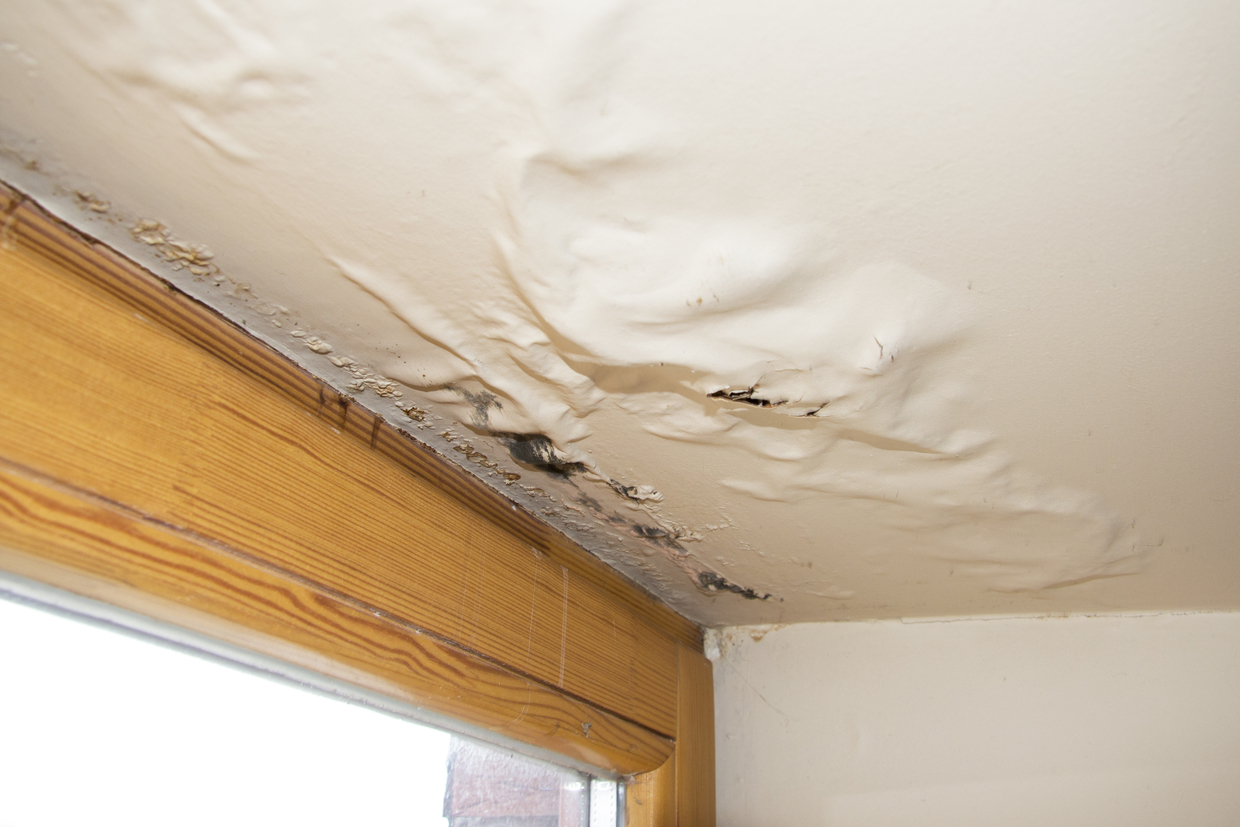
- Ceiling stains or discoloration
- Warped baseboards or trim
- Peeling paint or bubbling drywall
- Increased indoor humidity
Another common sign is air that feels heavier or damp even with the AC running. This often means moisture is still trapped somewhere inside the structure.
If these symptoms appear, mold testing can provide clear answers before problems spread.
Hidden Moisture Sources After Storms
Some of the most serious mold problems begin in places homeowners rarely check.
Common hidden moisture sources include:
- Attic insulation dampened by roof leaks
- Wet insulation inside exterior walls
- Water intrusion around windows or doors
- Saturated subflooring beneath flooring
- Moist ductwork in hot attics
In Palm Bay and West Melbourne, attic-related moisture is especially common because storm winds can force rain into vents or under roofing materials.
These areas may remain damp long after surfaces appear dry.
Why DIY Mold Testing Often Falls Short
Many homeowners try do-it-yourself testing kits after storm damage, but results are often confusing.
DIY kits:
- Detect mold spores that are always present
- Don’t identify moisture sources
- Can’t measure contamination levels accurately
- Don’t provide guidance on next steps
Without proper interpretation, homeowners may underestimate or overestimate the seriousness of the problem.
Professional testing focuses on identifying where mold is growing, why it developed, and what needs to be done to fix it properly.
How Professional Mold Inspection and Testing Works
A professional mold evaluation after storm damage typically includes several steps.
Visual Assessment
Inspectors check affected areas, including attics, walls, ceilings, and HVAC components.
Moisture Detection
Meters and imaging tools help locate hidden damp areas behind surfaces.
Air or Surface Sampling
When needed, samples help confirm mold presence and concentration levels.
Structural Evaluation
The inspection also looks at drying conditions, ventilation, and potential sources of ongoing moisture.
This approach provides homeowners with clear, practical information rather than guesswork.
Mold Removal and Remediation After Storm Damage
If mold is confirmed, remediation focuses on removing contamination and restoring safe indoor conditions.
The process often includes:
- Isolating affected areas
- Removing damaged materials when necessary
- Cleaning and treating structural surfaces
- Drying the structure thoroughly
- Correcting moisture entry points
Proper drying is critical. Mold will return if materials remain damp, even after cleaning.
Professionals familiar with Brevard County homes understand how long drying truly takes in humid conditions and how to confirm when materials are safe.
Flood Restoration and Water Damage Repair
Storm damage sometimes involves more than small leaks. Heavy rainfall or flooding can affect multiple areas of a home.
Restoration steps may include:
- Water extraction
- Dehumidification and air movement
- Moisture monitoring
- Removal of damaged materials
- Repairs to drywall or flooring
Fast drying reduces the likelihood of mold growth, but when moisture lingers, testing helps determine whether contamination has already started.
Air Ducts, AC Systems, and Mold After Storms
Many homeowners don’t realize how storm damage can affect HVAC systems.
Moisture can enter:
- Return air cavities
- Duct insulation
- Air handlers in garages or closets
Once mold develops in these areas, spores may circulate through the home, causing odors or air quality issues.
Air duct inspections may be recommended when mold odors spread beyond the original water-damaged area.
Preventing Mold Problems After Future Storms
Prevention is often simple but requires attention.
Homeowners can reduce risk by:
- Inspecting attics after heavy storms
- Checking ceilings and walls for stains
- Running dehumidifiers if indoor humidity rises
- Repairing roof or flashing damage quickly
- Scheduling moisture inspections after major storms
Prompt action within the first 24–48 hours after water intrusion makes a significant difference in preventing mold growth.
Why Local Experience Matters
Storm damage in Florida behaves differently than in many other parts of the country. Homes in West Melbourne and Palm Bay face unique challenges:
- Long humid drying periods
- Frequent afternoon storms
- Salt air corrosion near coastal areas
- AC systems running almost constantly
Professionals who regularly work in West Melbourne, Rockledge, Satellite Beach, and surrounding communities understand how these conditions affect building materials and drying timelines.
Palm Bay Mold Removal has handled many post-storm moisture and mold situations across Brevard County, where the combination of humidity and structural moisture requires careful evaluation and proper drying methods.
A Practical Next Step for Homeowners
Storm damage doesn’t always show its full impact right away. Sometimes the real problem begins days later, when trapped moisture allows mold to develop out of sight.
If your home experienced leaks, flooding, or lingering dampness after a storm, having moisture levels checked and testing performed when necessary can provide peace of mind and prevent larger repairs.
Staying proactive after storms is one of the most effective ways to protect your home in West Melbourne’s climate.